Population bottlenecks can significantly affect species when their numbers plummet. Such events typically lead to diminished genetic diversity and a rise in inbreeding, which can compromise fertility, survival rates, and the overall adaptability of the population to environmental changes. This scenario can create what scientists term an "extinction vortex," where declining numbers and genetic health issues reinforce each other, pushing the species toward extinction.
Restoring Genetic Diversity Through Population Growth
However, the decline in genetic health is not always irreversible. Rapid population recovery can sometimes enhance genetic diversity. The underlying theory posits that as populations grow, they create more opportunities for genetic mixing and the emergence of new mutations. Even if recovery starts from a small number of survivors, ongoing population growth can mitigate the detrimental effects of inbreeding and help restore some of the lost genetic variation.
This demographic rebound can act as a crucial buffer against the genetic challenges that typically follow significant population declines.
Koalas as a Case Study for Genetic Recovery
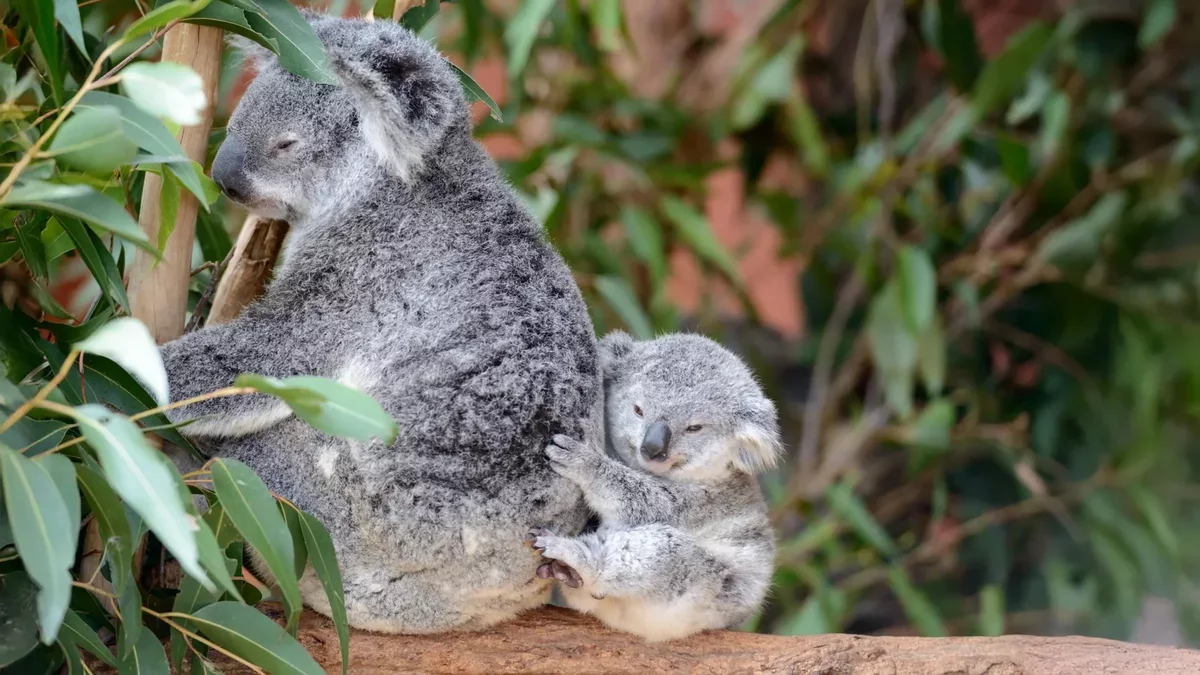
To investigate this phenomenon, researchers led by Collin Ahrens studied the koala populations, which have faced severe declines followed by recovery. The team analyzed whole genome data from 418 koalas across 27 populations in Australia, revealing that despite their historical genetic bottleneck, several populations are now showing signs of genetic recovery.
The Role of Recombination in Recovery
The findings suggest that recombination, a process that rearranges existing genetic material into new combinations, may be pivotal in this recovery phase. As populations grow, this genetic shuffling can help restore crucial functional diversity.
Overall, the research underscores that swift population growth can enable species that have endured significant genetic bottlenecks to regain some of their lost genetic diversity. These insights are vital for conservation strategies aimed at ensuring the long-term survival of at-risk wildlife populations.