In a significant advancement in Alzheimer's research, scientists have unveiled a novel drug candidate, FLAV-27, that has demonstrated the ability to reverse memory decline in mice, even after the onset of symptoms. This groundbreaking study, spearheaded by researchers at the University of Barcelona, deviates from traditional approaches targeting amyloid plaques and tau tangles, focusing instead on the gene-control mechanisms that regulate neuronal behavior.
FLAV-27 operates by modifying the epigenome, which consists of chemical markers that influence gene activity without altering the DNA sequence. This innovative compound specifically inhibits an enzyme known as G9a, which may silence crucial genes required for memory and neuronal repair in Alzheimer's patients.
A New Perspective on Alzheimer's Treatment
Unlike existing Alzheimer's drugs such as lecanemab and donanemab, which primarily target amyloid beta proteins, FLAV-27 addresses the underlying molecular mechanisms of the disease. Aina Bellver, the study's lead author, highlighted that FLAV-27 not only targets symptoms but also aims to modify the disease process itself.
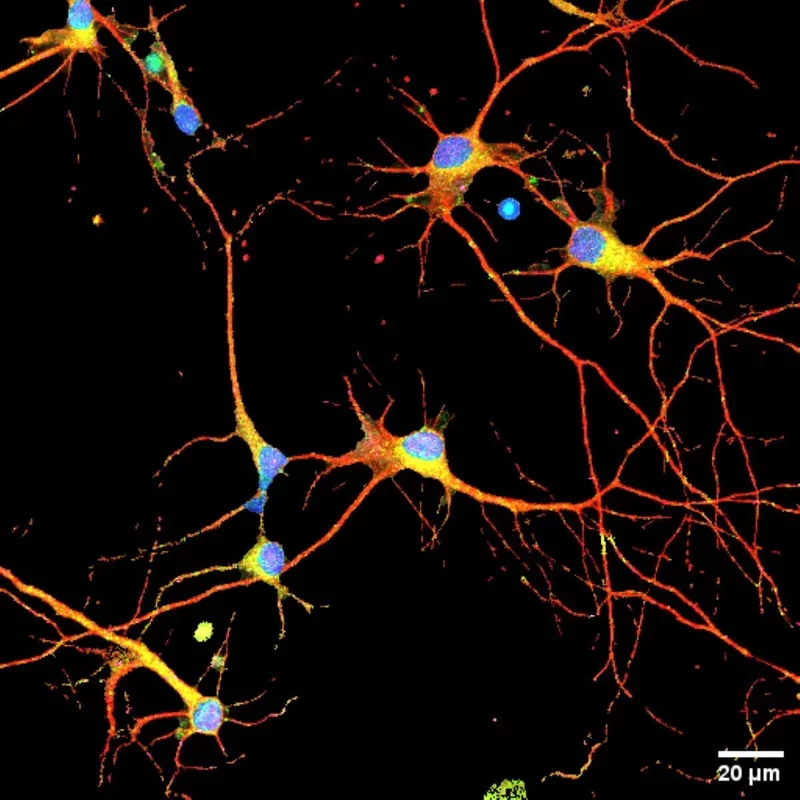
In laboratory tests, FLAV-27 exhibited remarkable efficacy across various models, including cultured brain cells, tiny worms, and mice exhibiting both early- and late-onset Alzheimer's-like conditions. The results were promising: the compound reduced amyloid beta clumps and tau proteins while enhancing neuronal connections, indicated by increased neurite outgrowth.
In mouse models simulating age-related cognitive decline, those treated with FLAV-27 showed significant improvements in memory tests. Notably, in models designed to mimic inherited early-onset Alzheimer's, treatment initiated after symptom onset still yielded positive memory outcomes.
Broader Implications for Alzheimer's Research
The study reveals that FLAV-27 may influence multiple aspects of Alzheimer's pathology, including inflammation reduction and synaptic health improvement. Researchers also identified potential blood biomarkers that could facilitate monitoring the drug's effects, making future clinical trials more efficient.
While FLAV-27 is not yet an approved treatment and requires further testing, including safety and toxicology studies, its development signifies a promising shift in the approach to Alzheimer's disease. The next steps will be led by Flavii Therapeutics, a spin-off from the University of Barcelona focused on advancing FLAV-27.
This innovative research suggests that addressing the molecular mechanisms behind Alzheimer's may offer new pathways for treatment, potentially reshaping the future of care for those affected by this challenging disease.