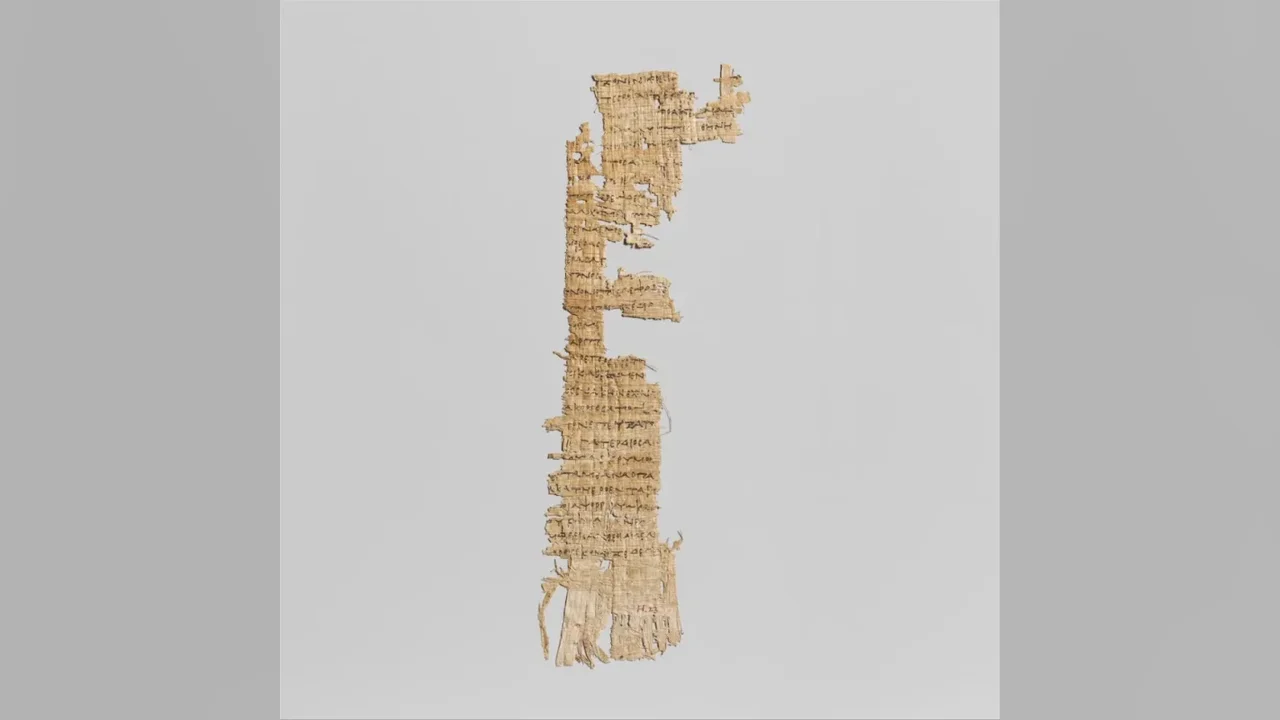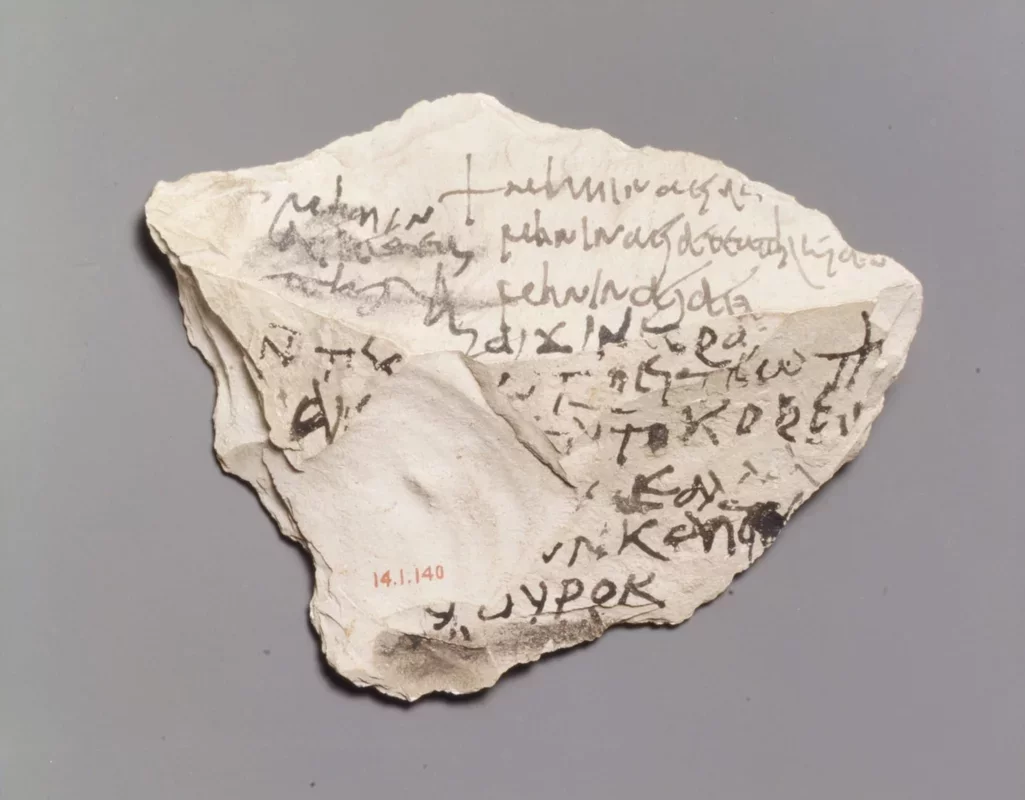
In a remarkable archaeological find, researchers excavating the ancient city of Oxyrhynchus, near present-day El-Bahnasa in Egypt, have uncovered a papyrus featuring lines from Homer's Iliad on the abdomen of a Roman-era mummy. This papyrus, dating back to the late Roman period around the fifth century CE, adds to the collection of over 1,500 surviving Homeric texts, though very few have been found in burial contexts.
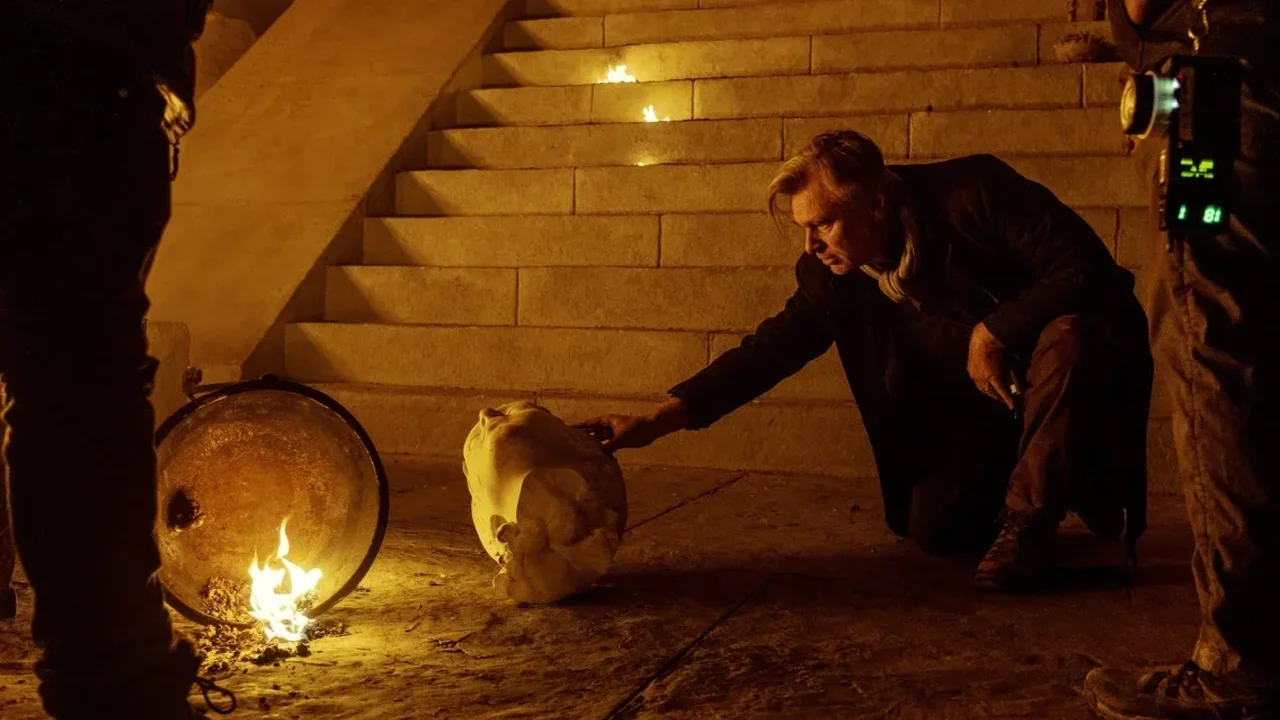
The excavation was led by the Spanish Archaeological Mission from the University of Barcelona and the Institute of Ancient Near East Studies (IPOA), under the guidance of Maite Mascort and Esther Ponce Milado. Their efforts revealed various tombs from the Greek and Roman eras, including those from the Ptolemaic period, which contained numerous artifacts such as statuettes, paintings, and a total of 52 mummified remains, with 16 having gold tongues believed to assist the deceased in communicating with Osiris, the Egyptian god of the afterlife.
In subsequent analyses conducted in January and February, a team comprising conservator Margalida Munar, papyrologist Leah Mascia, and classical philologist Ignasi-Xavier Adiego identified the papyrus text. Mascia's examination revealed that it included the catalog of ships from the second book of the Iliad. Despite being composed in the 8th century BCE, the Iliad and its counterpart, the Odyssey, remained influential and widely read until the end of the Roman Empire and beyond, largely due to their incorporation into educational curricula.
The inclusion of this papyrus in burial practices raises intriguing questions. Celsiana Warwick, a Homer scholar from the University of Iowa, notes that Homer's texts held a canonical status, being essential for those literate in Greek. Additionally, ancient writings often carried perceived magical properties, with some texts included in burials to safeguard the deceased on their journey to the afterlife. Joel Christensen, a specialist in Homeric literature, suggests that the passage from the Iliad might have held personal or civic significance for the deceased or their family.
Interestingly, the papyrus fragments were found strategically placed on the body, indicating a deliberate choice in their burial. Leah Mascia explained that these fragments were in a fragmentary state and were positioned atop the deceased, similar to other ancient texts, like the Book of the Dead, which were used to aid the dead in their afterlife journey.
The discovery of this papyrus not only enriches our understanding of ancient funerary practices but also emphasizes the enduring legacy of Homer's works in the ancient Mediterranean world. As we continue to uncover the past, these findings shed light on how literature was revered and integrated into the lives--and afterlives--of those in Greco-Roman Egypt.
This significant find prompts reflection on the cultural importance of literature in ancient societies and hints at a future where the interplay between text and life continues to inspire exploration and understanding.