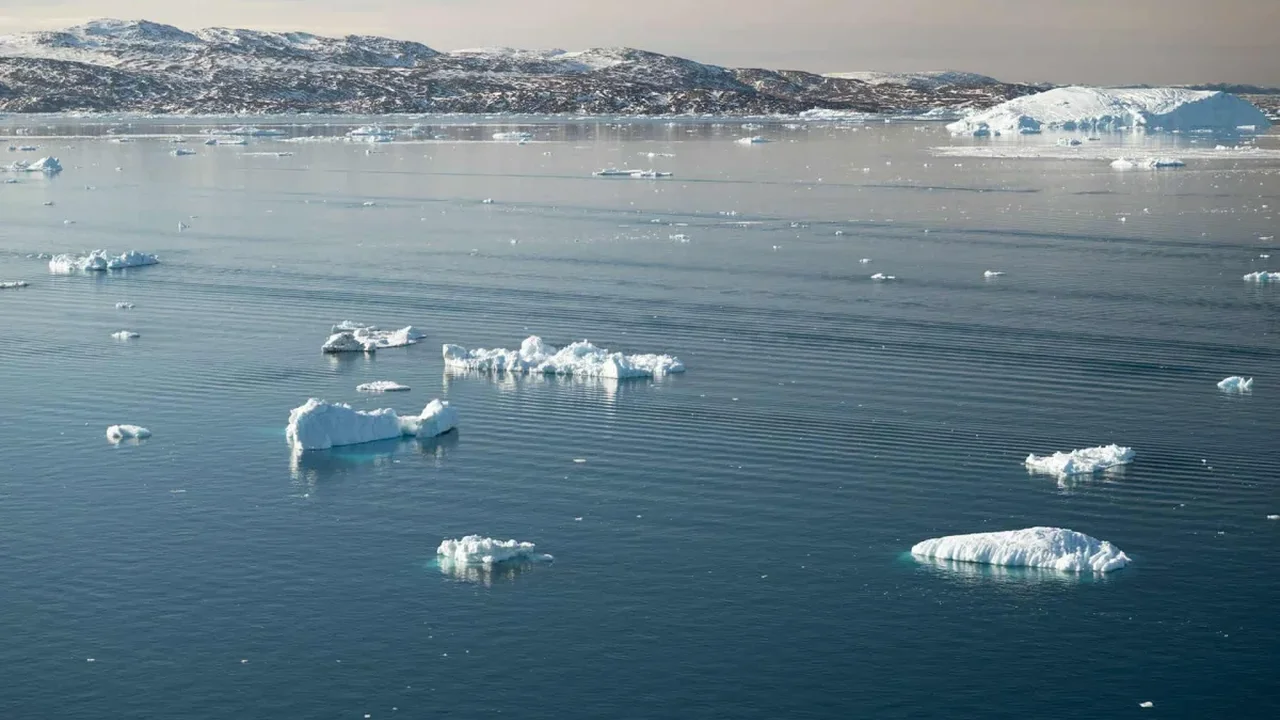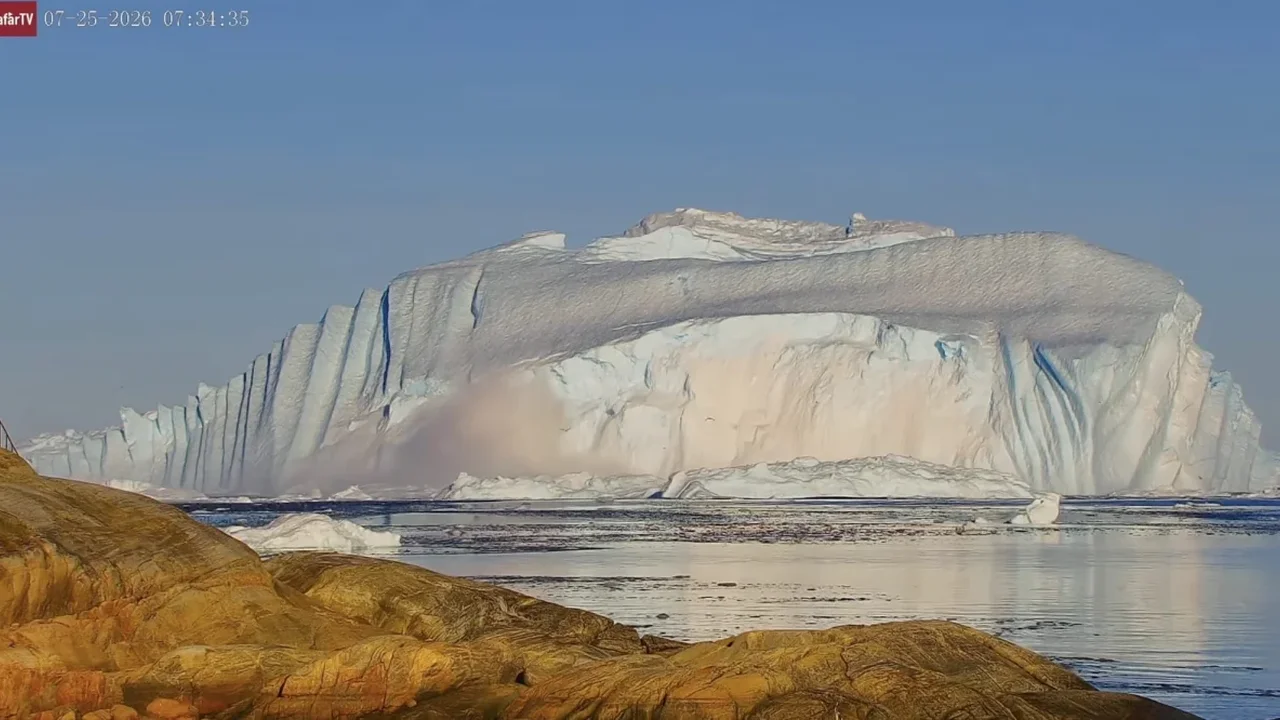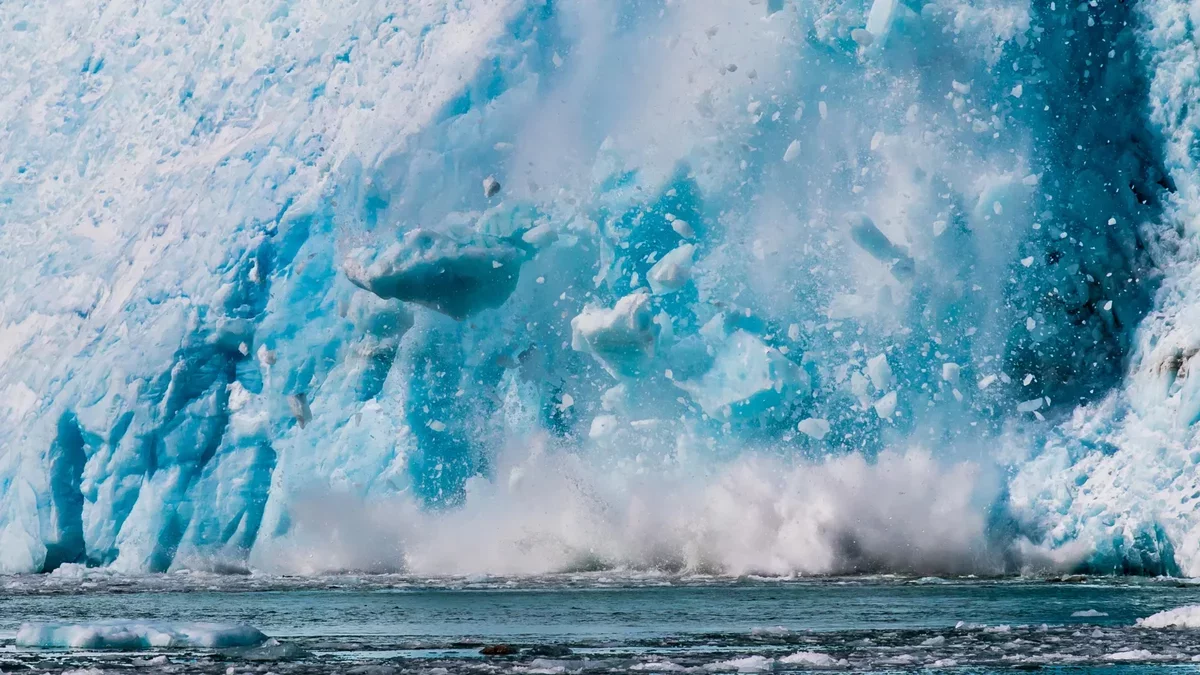
Recent research indicates a dramatic increase in the surface area affected by extreme melting events in Greenland, expanding by approximately 2.8 million km² each decade since 1990. The volume of water released from melting ice has also seen a significant rise. From 1950 to 2023, the average meltwater generated by extreme events was around 12.7 gigatons per decade. This figure has escalated to 82.4 gigatons per decade since 1990, representing a remarkable sixfold increase.
Frequency of Extreme Melting Events on the Rise
The past few decades have witnessed the majority of the most severe melting episodes, with seven out of the ten most intense events recorded since 2000. Notable occurrences include significant melting in August 2012, July 2019, and July 2021, which stand out due to their unprecedented nature, emphasizing the unusual climatic conditions currently present.
Furthermore, the research highlights that each extreme melting event now generates more meltwater than comparable events in earlier years. Since 1990, meltwater output during such episodes has surged by 25% compared to the 1950-1975 period, with an overall increase of up to 63% when considering all extreme events. This trend indicates a powerful thermodynamic effect, suggesting that rising temperatures are exacerbating melting beyond the influence of atmospheric circulation alone.
Northern Greenland: A Melting Hotspot
The northern region of Greenland has emerged as a critical area significantly impacted by these changes, becoming a hotspot for extreme melting. Projections indicate that under high greenhouse gas emission scenarios, the most intense meltwater anomalies could potentially triple by the century's end.
Innovative Research Methods Unveiling Melting Drivers
The study, spearheaded by Josep Bonsoms, a postdoctoral researcher at the University of Barcelona, alongside Marc Oliva, utilized a novel classification method that merges types of atmospheric circulation with a regional climate model. This innovative approach enabled the team to distinguish between thermodynamic influences, linked to atmospheric warming, and dynamic influences associated with circulation patterns.
Global Significance and Strategic Implications
As Greenland's rapid environmental changes draw global attention, the implications of these findings are profound. According to Bonsoms, the swift transformation of the ice sheet poses significant global environmental challenges, including rising sea levels and potential shifts in ocean circulation. Moreover, it places the Arctic at the forefront of new strategic, economic, and territorial developments.
Understanding the factors that intensify extreme melting is essential for anticipating future risks and informing policy decisions. This study is part of the GRELARCTIC project led by the UB ANTALP research group, with support from the ICREA Academia program.