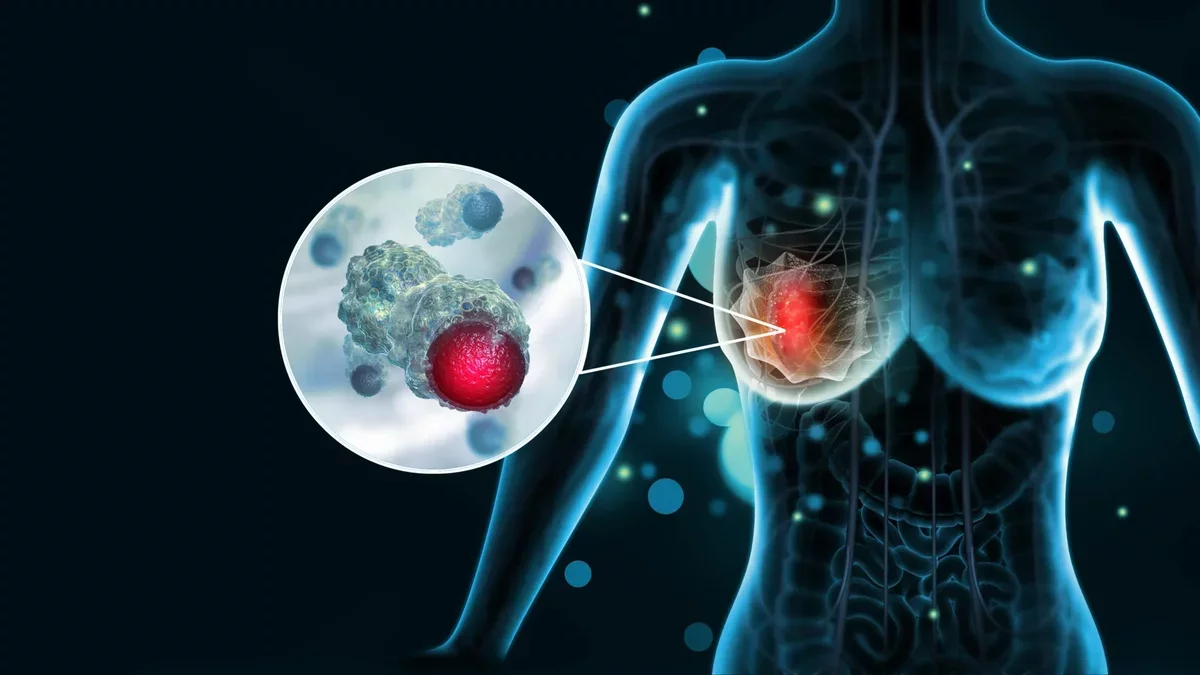
Recent research highlights the potential benefits of vitamin D supplements for breast cancer patients experiencing deficiency prior to undergoing radical mastectomy. This study indicates that those with low vitamin D levels (below 30 nmol/L) might see improvements in pain management outcomes.
Emerging evidence suggests that vitamin D significantly influences how the body perceives and regulates pain, potentially due to its anti-inflammatory properties and effects on the immune system. Notably, vitamin D deficiency is common among individuals diagnosed with breast cancer.
Investigating Pain Post-Surgery
To examine this relationship, a prospective observational study was conducted at Fayoum University Hospital in Egypt from September 2024 to April 2025. The study involved 184 women preparing for unilateral mastectomy, with half having vitamin D deficiency and the other half maintaining sufficient levels.
The participants, averaging ages 44 and 42, received standardized medical care throughout their surgical experience, and their vitamin D status remained unknown to the medical staff.
During surgery, patients were administered fentanyl for acute pain management, followed by intravenous paracetamol every eight hours post-operation. Additionally, patients had the option to self-administer tramadol, an opioid pain reliever, through a controlled mechanism.
Findings on Pain Levels and Medication Use
The study recorded pain levels immediately after surgery and at intervals of 6, 12, 18, and 24 hours. It also monitored other factors like nausea, vomiting, sedation, and hospital stay duration. Results showed that patients with vitamin D deficiency were three times more likely to experience moderate to severe pain in the first 24 hours post-surgery compared to those with adequate vitamin D levels.
While no patients reported severe pain (7 or higher on a scale of 0 to 10), the deficiency group demonstrated a notable increase in moderate pain levels (4 to 6). Furthermore, these patients required more opioid medication, receiving an average of 8 μg more fentanyl during the procedure and significantly higher tramadol doses afterward--112 mg more than their counterparts.
Implications for Recovery
Opioid medications can lead to side effects, including nausea and drowsiness, and carry risks of dependence. The study found that postoperative nausea was more prevalent among those with vitamin D deficiency, with vomiting reported solely in this group, though the difference was not statistically significant.
Despite certain limitations, such as the observational nature of the study and a lack of inflammatory marker measurements, researchers concluded that vitamin D deficiency correlates with increased postoperative pain and opioid consumption. They advocate for preoperative vitamin D supplementation in patients with low levels to potentially enhance pain management after surgery.