In a significant exploration of the potential benefits of vitamin D, researchers conducted one of the largest randomized trials to date, shedding light on its effects on COVID-19. Senior author JoAnn Manson, MD, DrPH, from the Mass General Brigham Department of Medicine, stated, "While we didn't find that high-dose vitamin D reduced COVID severity or hospitalizations, we observed a promising signal for long COVID that merits additional research."
The VIVID Trial: Investigating Vitamin D's Role
Vitamin D is frequently associated with immune function, yet studies regarding its efficacy in combating COVID-19 have yielded inconsistent outcomes. To address this, the Vitamin D for COVID-19 (VIVID) Trial was initiated to assess whether high doses of vitamin D3 could impact health outcomes for individuals recently diagnosed with the virus and their household contacts.
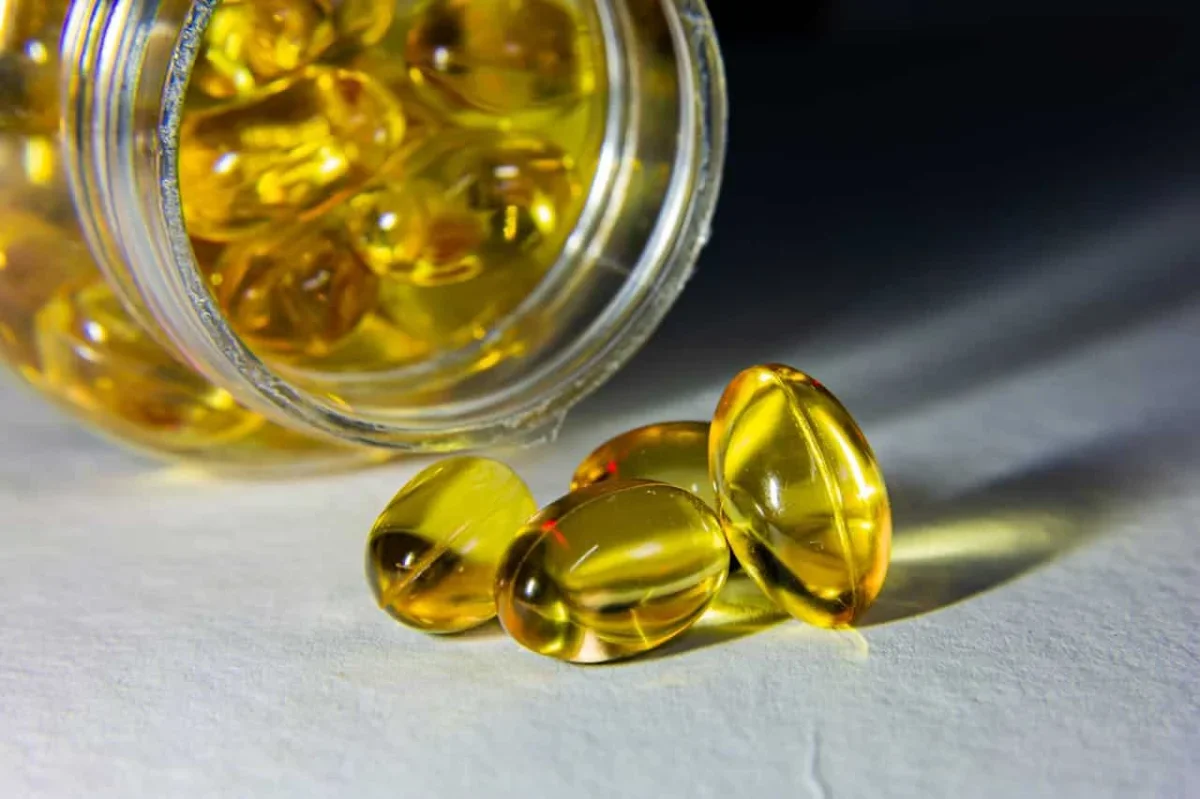
The study encompassed participants from both the United States and Mongolia, involving 1,747 adults who had recently tested positive for COVID-19, along with 277 household members. Participants were randomly assigned to receive either vitamin D3 or a placebo daily for four weeks, following a specific supplementation protocol that included 9,600 IU/day for two days, tapering to 3,200 IU/day thereafter.
The U.S. segment of the trial spanned from December 2020 to September 2022, while the Mongolian phase occurred from September 2021 to April 2022. Participants typically began their supplementation regimen approximately three days post-positive COVID-19 test.
Balancing the Study Groups
To ensure the integrity of the study, Manson and her team, including lead authors Davaasambuu Ganmaa and Kaitlyn Cook, employed stratified randomization and statistical weighting to equate various factors influencing COVID-19 outcomes, such as age, sex, body mass index, race/ethnicity, and vaccination status.
No Significant Change in COVID Severity
Throughout the four-week study, researchers found no substantial differences in healthcare utilization or mortality between the vitamin D and placebo groups. This included hospital admissions, in-person or virtual clinic visits, and emergency room visits, with symptom severity remaining comparable across both groups. Additionally, high-dose vitamin D did not reduce the likelihood of household contacts contracting COVID-19.
Potential for Long COVID Symptom Relief
However, an intriguing finding emerged regarding long COVID. Participants adhering to the vitamin D regimen exhibited a lower incidence of persistent symptoms eight weeks post-infection compared to those receiving the placebo. Specifically, 21% of the vitamin D group reported lingering symptoms, in contrast to 25% in the placebo group, a difference deemed borderline statistically significant.
"Long COVID can lead to fatigue, cognitive challenges, and other persistent issues, significantly affecting lives," Manson noted. "We aim to further investigate whether long-term vitamin D supplementation can mitigate the risks and severity of long COVID."
Future Implications
The findings from this trial may pave the way for future research into vitamin D's role in alleviating long COVID symptoms, potentially transforming approaches to post-COVID care and enhancing the quality of life for many.