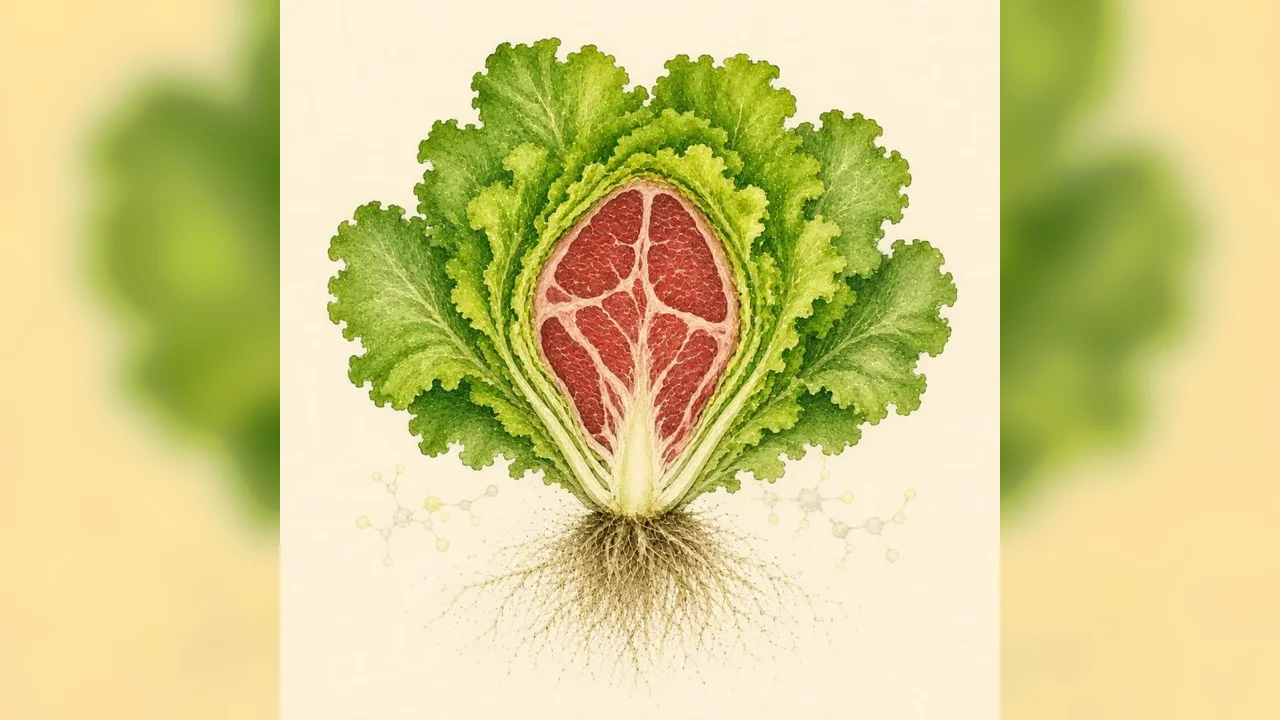
A recent study from Uppsala University in Sweden has unveiled that a single course of antibiotics can significantly disrupt gut bacteria, with effects lasting between four to eight years. By analyzing a decade's worth of prescription data alongside DNA sequencing from the stool samples of nearly 15,000 adults, researchers have painted a striking picture of how antibiotics alter our microbiome.
The human gut houses a complex ecosystem of trillions of microbes essential for our health. However, antibiotics act indiscriminately, eliminating both harmful and beneficial bacteria alike. Dr. James Kinross, a colorectal surgeon at Imperial College London, likened this impact to "carpet-bombing a rainforest," highlighting the ecological collapse that can ensue.
Understanding the Disruption
Data indicated that individuals who had not taken antibiotics for up to eight years maintained a diverse gut microbiome, hosting around 350 unique bacterial species. In contrast, those who had recently used antibiotics exhibited a marked decline in microbial diversity, with significant losses occurring immediately and lasting far longer than expected.
"Even a single round of certain antibiotics leaves lasting traces," explained Gabriel Baldanzi, a researcher involved in the study. The research found that different antibiotics have varying impacts on gut health. For instance, clindamycin, used for dental infections, was linked to the most significant loss of bacterial species, while flucloxacillin, despite being narrow-spectrum, also caused substantial disruption.
The Role of Probiotics and Diet
In light of these findings, patients often seek ways to restore their gut health. There is ongoing debate about the efficacy of probiotics in this context. While some healthcare providers advocate for their use during antibiotic treatment to mitigate damage, others argue that evidence supporting their effectiveness is insufficient. Instead, experts agree on the importance of a fiber-rich diet, which can help rebuild the microbiome by providing prebiotics necessary for microbial recovery.
Research shows that dietary choices, including the intake of foods like asparagus, oats, and fermented products, play a critical role in maintaining gut health. Reducing ultra-processed foods and prioritizing sleep can also protect the gut lining against inflammation.
A Shift in Antibiotic Prescribing Practices
This groundbreaking study signals a need for a paradigm shift in how antibiotics are prescribed. Doctors are encouraged to consider the long-term impacts on gut health when selecting antibiotics, especially when alternatives with less collateral damage are available. The findings emphasize that while antibiotics are vital for treating serious infections, they should be prescribed judiciously, particularly in cases of viral illnesses where they offer no benefit.
As research continues, the Uppsala team is set to explore the long-term effects of antibiotics even further, aiming to determine the lasting changes to gut health years down the line.