Balancing guest preferences with culinary identity
Some diners expect to customize nearly every part of a restaurant meal. But for chefs serving regional cuisines, requests to remove key ingredients can change the character of a dish and complicate kitchen operations.
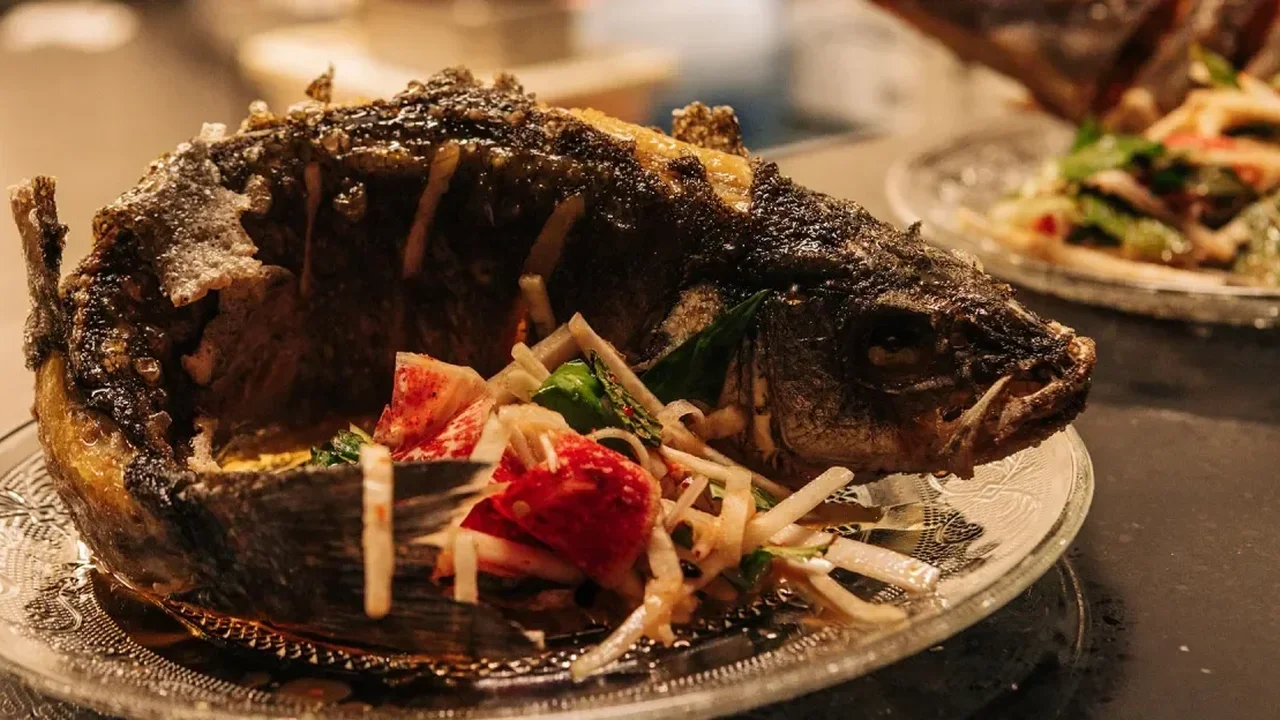
At Taan, a Thai restaurant and wine bar in Chicago, founder Chanita Chayaluk introduced a limited substitution policy after frequent modifications began slowing service. Ingredients such as fish sauce and shrimp paste remain in dishes where they are essential to the recipe.
Phoenix restaurant Lom Wong takes a similar approach. Chef and co-owner Alex Martin says the team aims to preserve the food's cultural context rather than adjust dishes simply to make them more familiar. Guests can request certain components on the side, while core ingredients stay in recipes that depend on them.
Both restaurants offer alternatives for guests with dietary needs. Taan, for example, keeps a substantial vegan and gluten-free fried rice on its menu. Staff are encouraged to explain the options and guide diners toward dishes that suit their preferences.
Clear expectations can help restaurants maintain their distinctive cooking while making it easier for guests to choose. As dining culture continues to evolve, thoughtful communication may help connect personal choice with a deeper appreciation of culinary traditions.