A new study from Penn State suggests that the way white light is built, not just how it looks, can influence how warm or cool a room feels.
In a controlled lab test, 10 adults tolerated slightly higher air temperatures under blue-enriched white light than under red-enriched white light, even though both settings appeared identical to the eye. On average, the blue-rich light expanded thermal comfort by about 0.7°C (1.3°F).
What the experiment showed
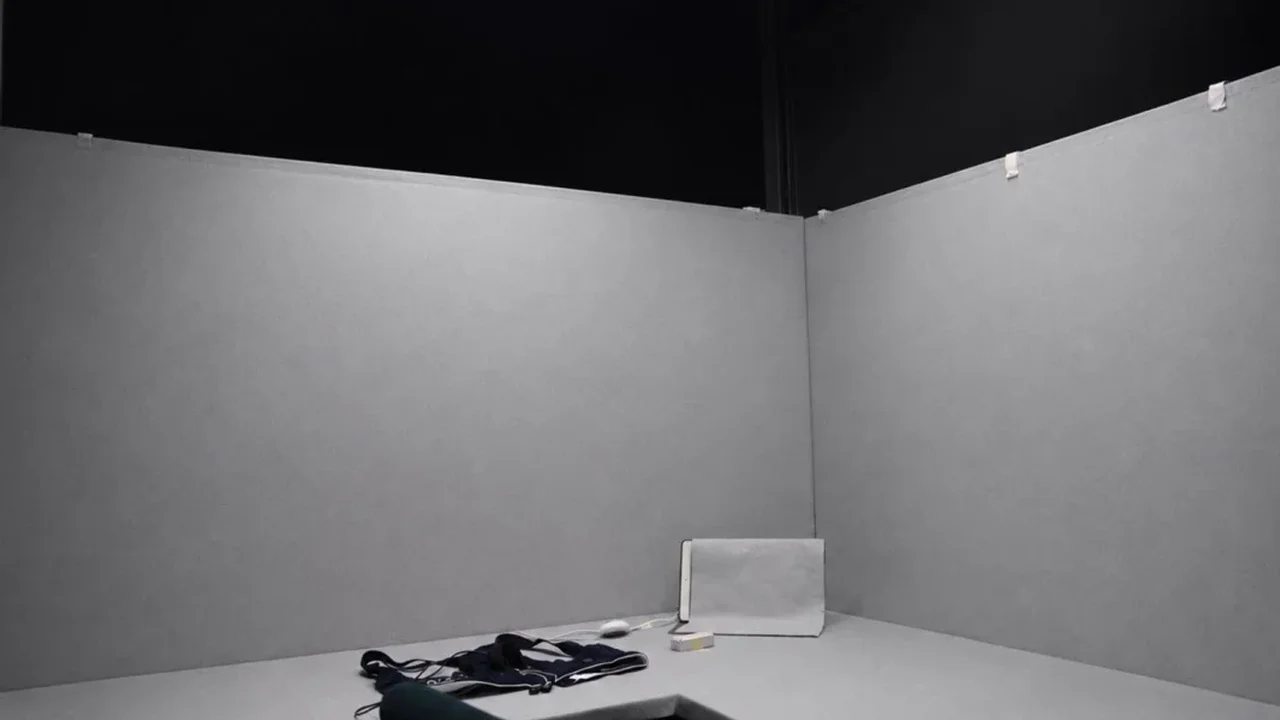
Participants spent two days in a mock office environment inside a climate chamber. They wore the same clothing, ate the same meal, and were exposed to two types of white light with different spectral compositions. One contained more short, blue wavelengths, while the other leaned toward longer, red wavelengths.
After an adjustment period, the room temperature gradually changed and participants reported when they felt uncomfortable. Most pressed for a temperature change before the chamber reached its limit, and several accepted more warmth under the blue-enriched setting.
The reverse effect was less clear, but the findings add weight to the idea that light spectrum can shape thermal perception in subtle ways. The researchers note that this is an early result, based on a small sample, yet it points to a practical design opportunity for buildings.
According to the team's modeling, widening thermostat settings by just 0.5°C could reduce cooling energy use by 5.2% to 11.4%, depending on climate conditions. If confirmed in larger real-world studies, lighting and climate control could work together to improve comfort while supporting energy efficiency.
Published in Energy and Buildings, the study opens a fresh path for smarter indoor environments where light helps shape comfort in more adaptive ways, potentially influencing the future of sustainable building design.