The volumetrics diet takes a different path from traditional weight-loss plans: instead of shrinking portions, it focuses on foods that create fullness with fewer calories. The approach is designed to help people eat satisfying meals while naturally reducing overall energy intake.
How the method works
Developed in 2000 by Barbara Rolls, a nutrition science researcher at Penn State, the plan is built around calorie density. Foods rich in water and fiber offer more volume per bite, which can help people feel satisfied for longer. Dietitians note that this structure may make the plan easier to sustain than highly restrictive diets.
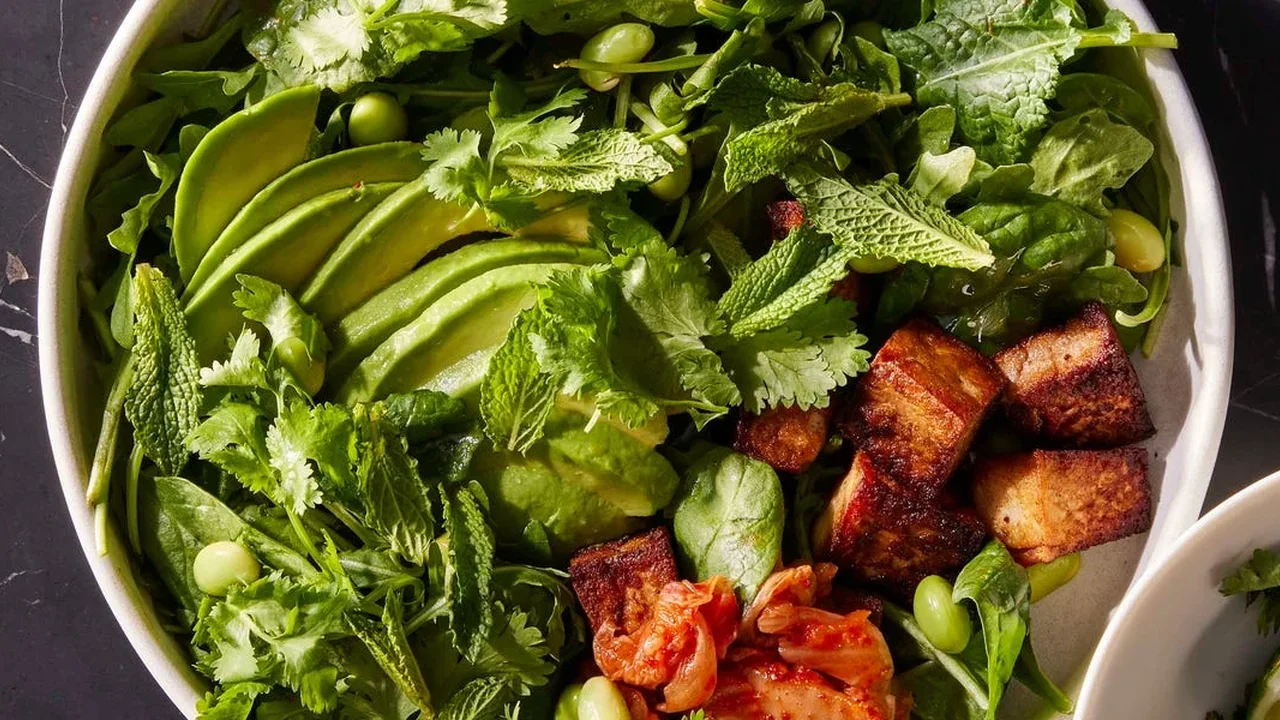
The eating pattern emphasizes fruits, vegetables, legumes, whole grains, lean proteins, and broth-based meals such as soups and stews. These foods are not only filling, but also contribute nutrients that support heart health and stable blood sugar.
Food categories
The diet groups foods by calorie density rather than banning them outright. Lower-density options such as berries, melon, broccoli, carrots, nonfat yogurt, and skim milk form the base. Moderate choices include chicken, lentils, potatoes, quinoa, and brown rice. Higher-density foods like cheese, pasta, and white bread are kept in smaller portions, while oils, nuts, and sweets are meant to be limited.
Experts say the plan can work well for people who want a practical structure without constant counting. A sample day may include a vegetable omelet with fruit, a large salad with chicken and soup, yogurt with berries, and baked fish with vegetables and brown rice.
Why it stands out
Nutrition professionals value the plan's focus on long-term habits rather than quick fixes. Research cited by dietitians suggests that high-volume, high-fiber eating can support weight loss in a measurable way. Still, they also note that healthy fats should remain part of a balanced routine.
For men seeking a straightforward framework, the volumetrics diet may offer a flexible and science-based option. Its future influence could help shape more sustainable eating models built around fullness, balance, and everyday practicality.