Scientists have developed a paintable medical electrode that can be brushed directly onto the skin and dry into a thin, flexible sensor. In early tests, the device captured signals from the heart, muscles and brain while adapting closely to the skin's natural texture.
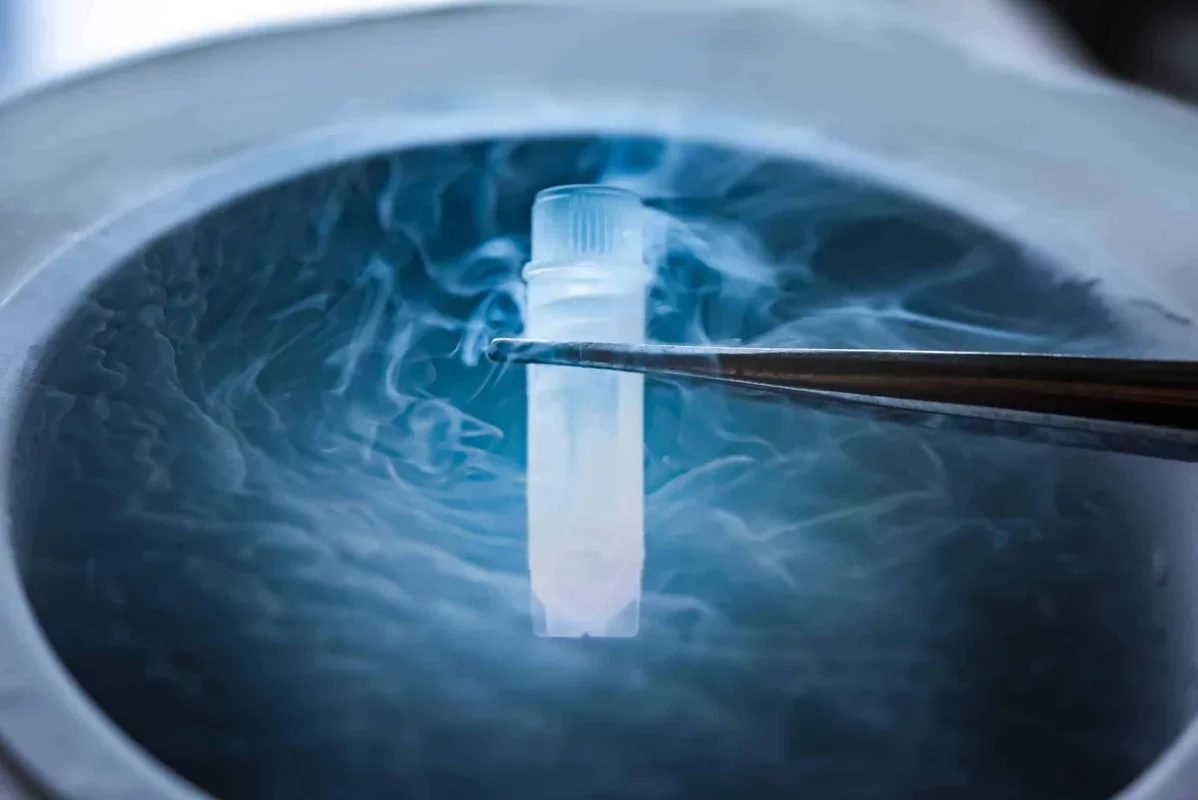
The material is a water-based conductive ink built from polymers such as PEDOT, DBSA and polyvinyl alcohol. Once applied, it dries in under 10 minutes and forms a sensor that sits tightly against the body, helping reduce the contact gaps that can affect conventional electrodes.
A More Personal Wearable
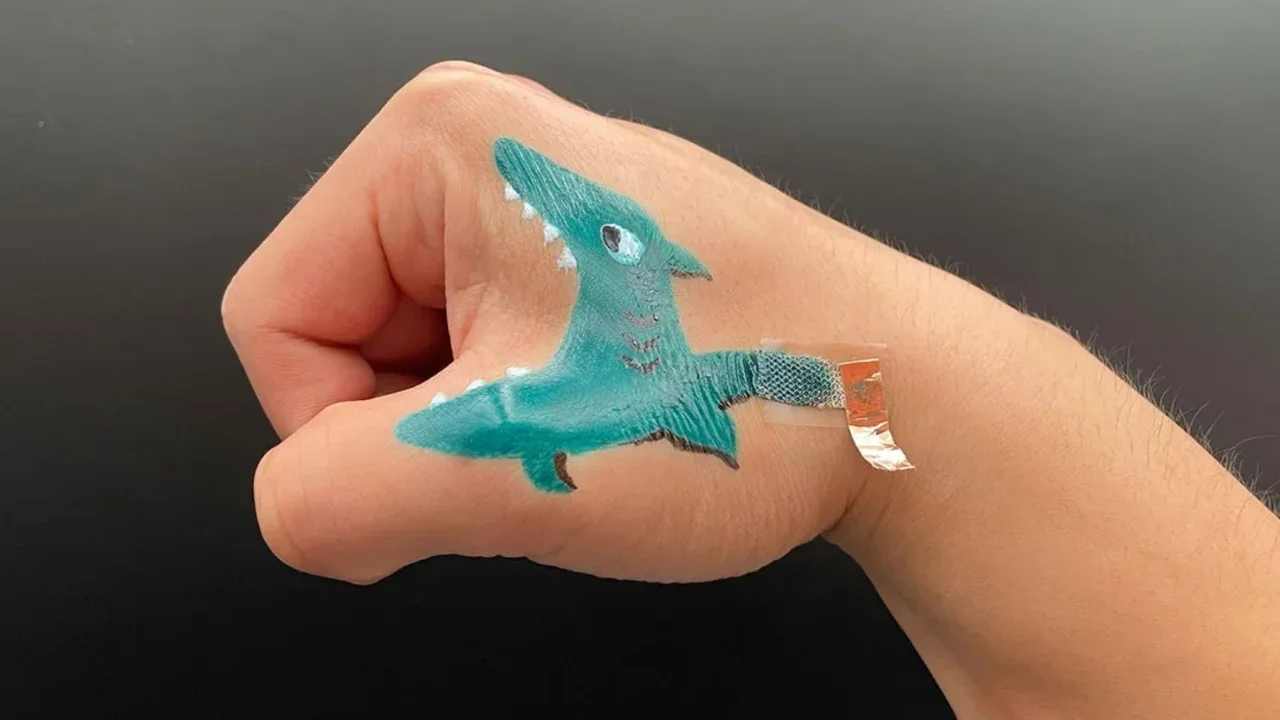
Beyond performance, the design adds a creative layer. The ink can be tinted with food coloring and shaped into playful forms, turning a medical tool into something that feels more personal and less clinical. That approach could make long-term monitoring more comfortable for children and for people who prefer discreet wearables.
In demonstrations, the painted electrodes kept recording ECG data during a 12-hour daily wear test and maintained strong signal quality during mild sweating on a treadmill. The team also used the system to capture muscle activity and guide a robotic hand through gesture recognition, pointing to future uses in rehabilitation and assistive control.
Another test showed the material can work through hair to collect EEG signals, a promising step for brain monitoring where standard flat electrodes often struggle. Published in PNAS, the study suggests that skin-painted sensors could help wearable health tech become more adaptable, more comfortable and more widely accepted in everyday life. In the future, this kind of innovation may reshape how people monitor health with devices that feel almost invisible.