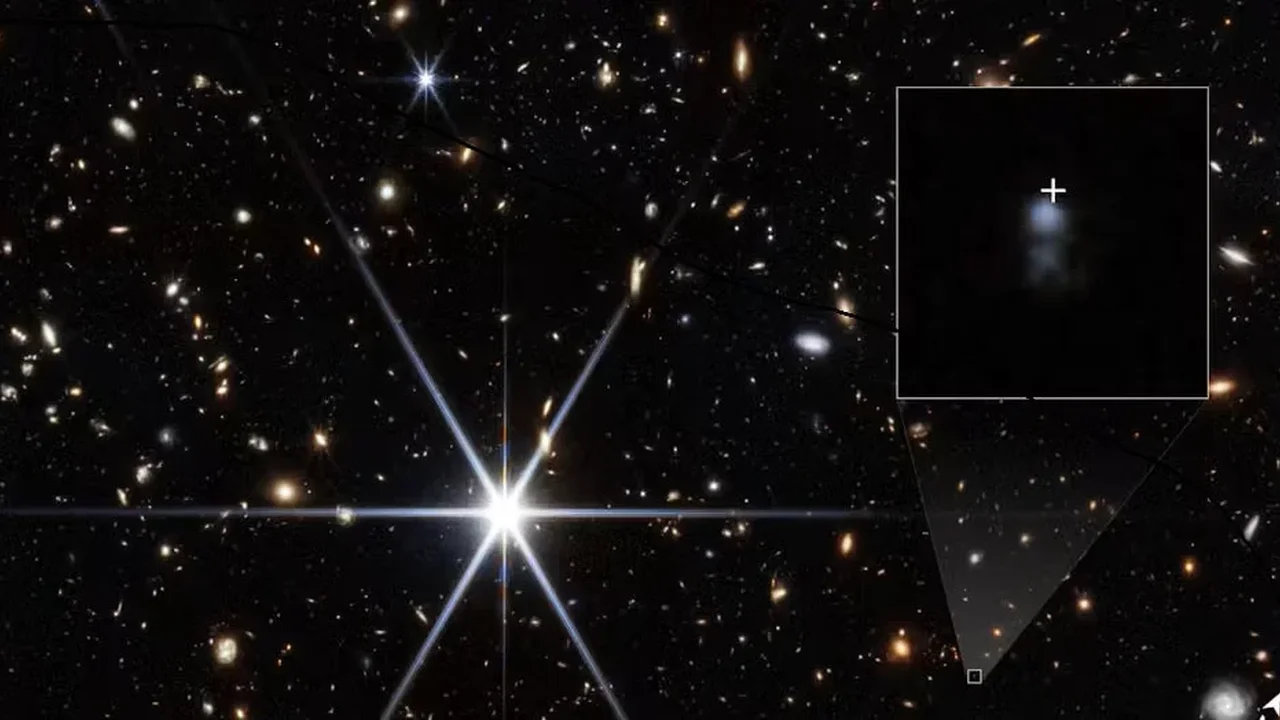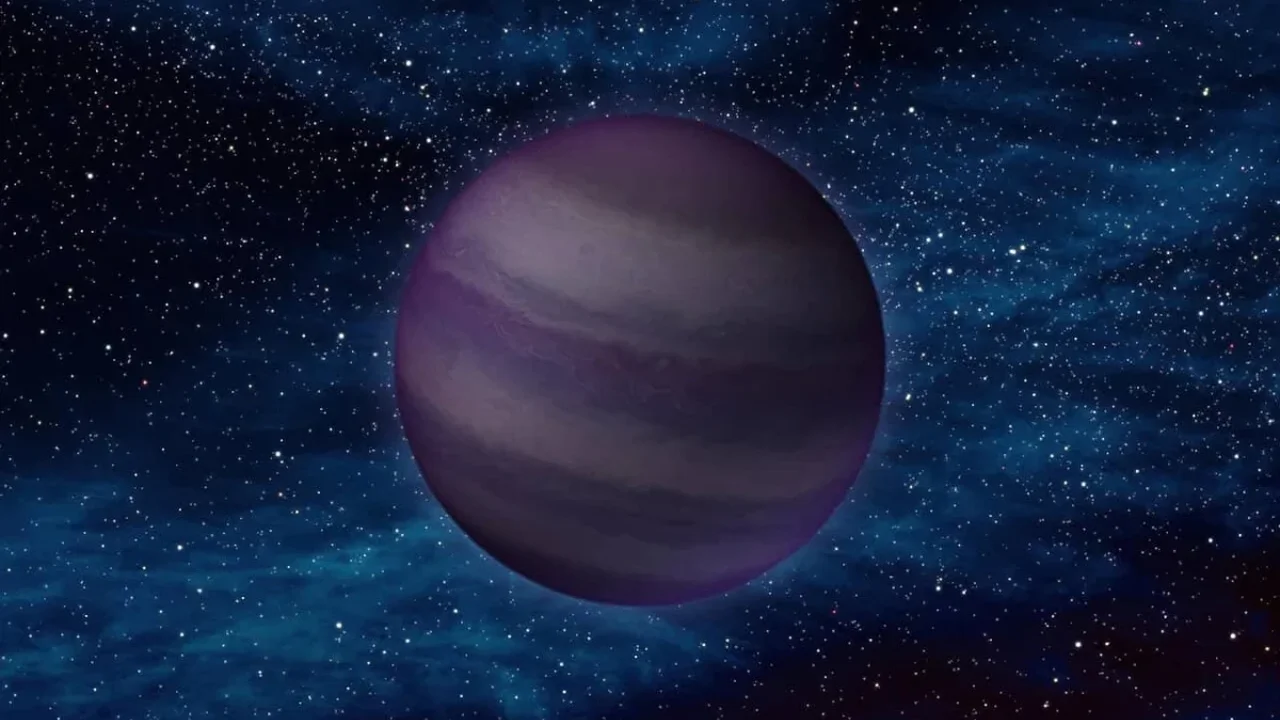
Just 7.5 light-years from Earth, the brown dwarf WISE 0855 is offering a rare, real-time look at weather beyond our solar system. NASA's James Webb Space Telescope observed the object for 11 hours, finding that high-altitude water clouds grow thicker and thinner as it rotates.
Brown dwarfs are celestial bodies between planets and stars. WISE 0855 is roughly Jupiter-sized, with about twice Jupiter's mass, and has an atmospheric temperature near 265 kelvins (17 degrees Fahrenheit).
Separating clouds from atmospheric chemistry
Webb recorded the brown dwarf's light every 15 minutes, capturing changes in its spectrum. Earlier measurements showed variations in brightness but could not distinguish whether clouds, temperature or atmospheric chemistry caused them. The new observations provide direct evidence of changing water-cloud thickness.
The team, led by the University of Arizona, also found that carbon monoxide and phosphine varied in a different pattern from the clouds. The results suggest convection is carrying these gases upward from hotter, deeper layers, while the cloud changes occur higher in the atmosphere.
The observations reveal several atmospheric processes at work: clouds shifting above, while heat and gases circulate from below. Similarities with the weather of giant planets could help researchers interpret the atmospheres of distant exoplanets. Brown dwarfs emit their own light, making their atmospheres easier to study than planets viewed beside bright stars.
The study has been accepted for publication in The Astrophysical Journal. Further observations could clarify WISE 0855's rotation and map how its atmosphere moves in three dimensions. This approach may sharpen our understanding of weather on worlds far beyond our solar system.