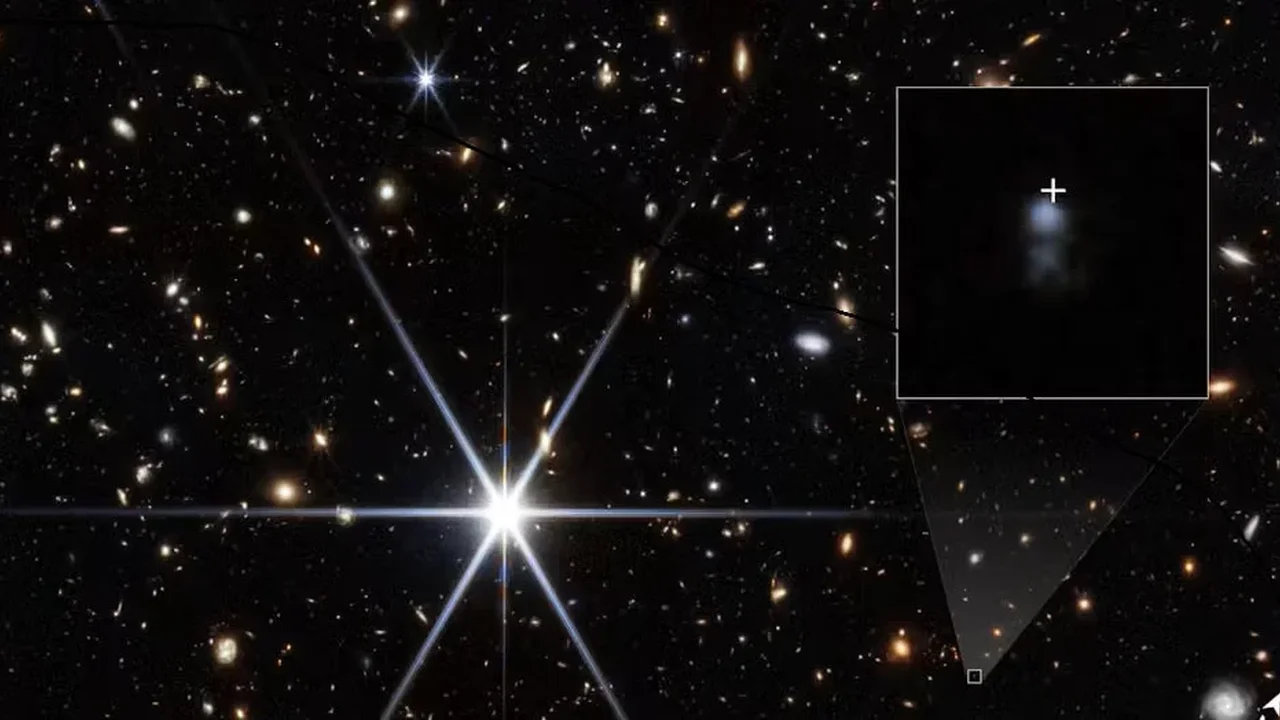
A brief signal from the early universe
A radio flash that crossed more than 10 billion light-years of cosmic history has been traced to a tiny galaxy. The burst, named FRB 20240304B, is the most distant fast radio burst yet linked to a host galaxy, according to research published in Science.
Detected by the MeerTRAP project using South Africa's MeerKAT radio telescope, the burst lasted only milliseconds. Differences in the arrival times of its radio frequencies helped researchers estimate its distance and identify its position in the sky.
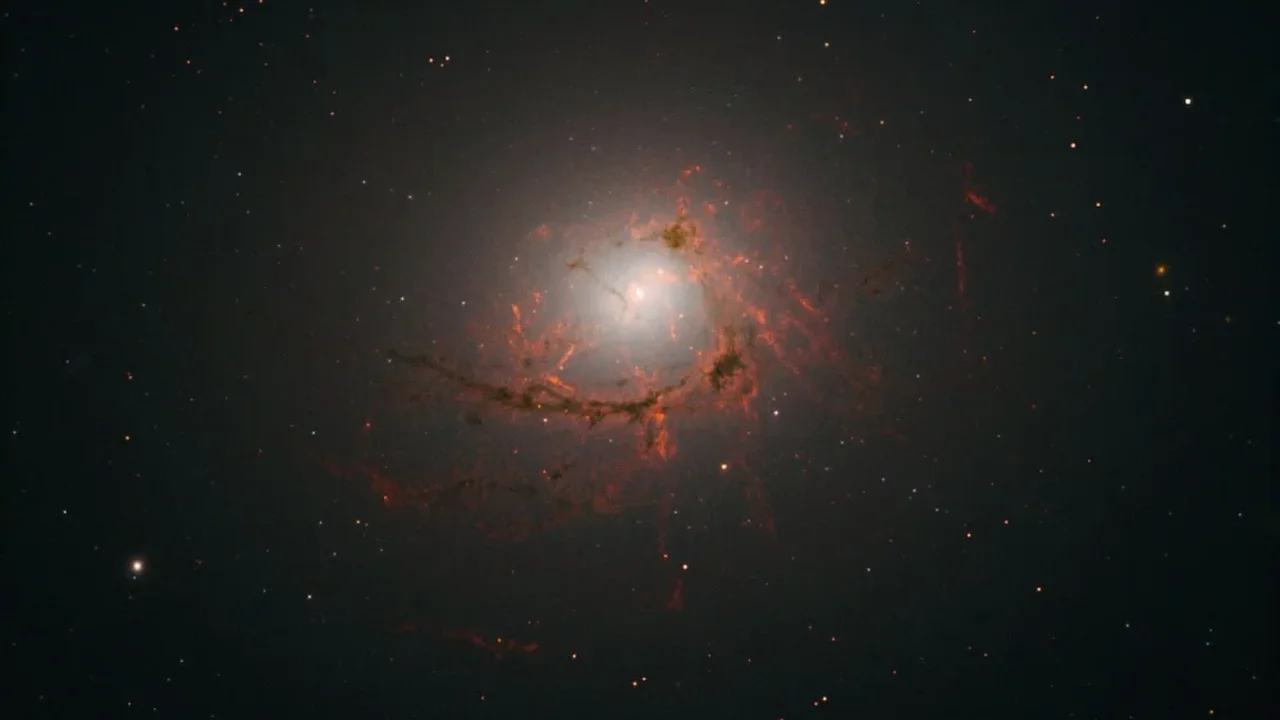
Ground-based telescopes could not detect the faint host galaxy. Observations with the James Webb Space Telescope revealed it and enabled researchers to estimate that its light began its journey about 10.6 billion years ago, when the universe was roughly three billion years old.
The galaxy has a mass around 10 million times that of the Sun--far smaller than the Milky Way--and is actively forming stars. University of Sydney researcher Manisha Caleb and colleagues say its properties offer clues about the environments where fast radio bursts occur. The team also notes that these bursts may have different origins.
As they travel, radio bursts gather information about the gas, electrically charged particles and magnetic fields between galaxies. Identifying more distant examples could help scientists map this material across much of cosmic history, while offering new insight into how galaxies evolve. Future discoveries may turn these brief flashes into powerful tools for charting the universe.