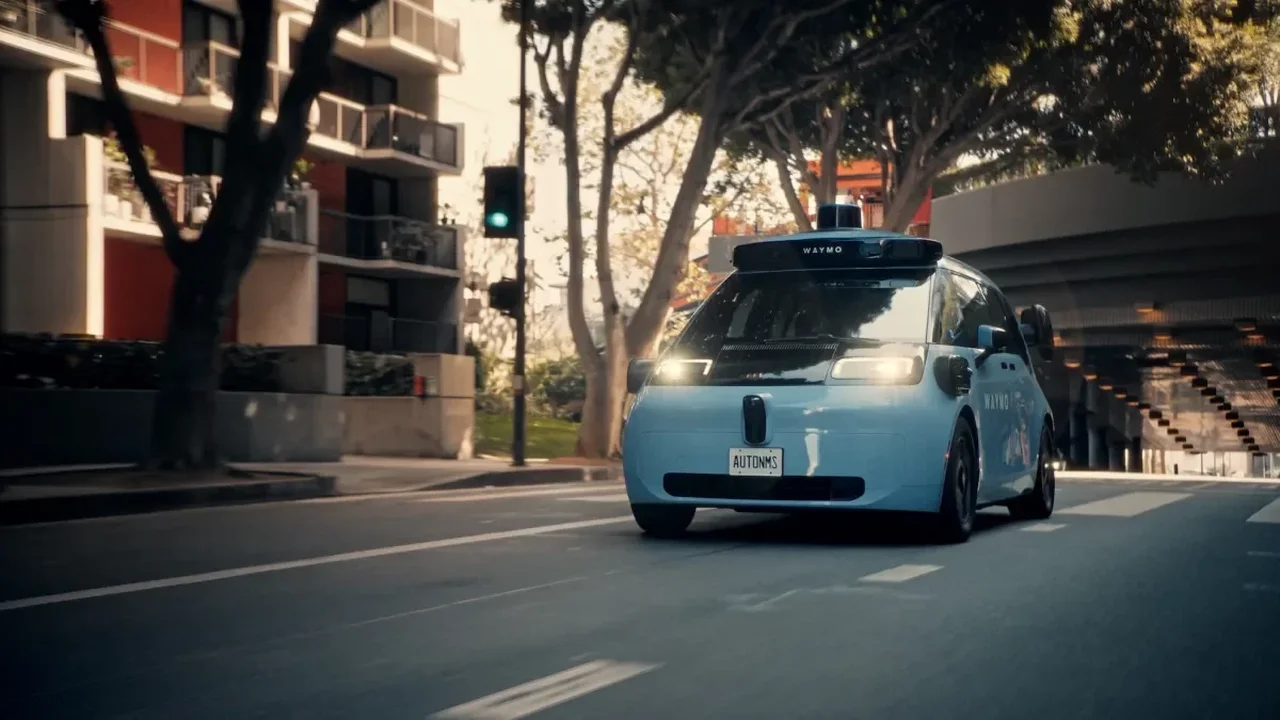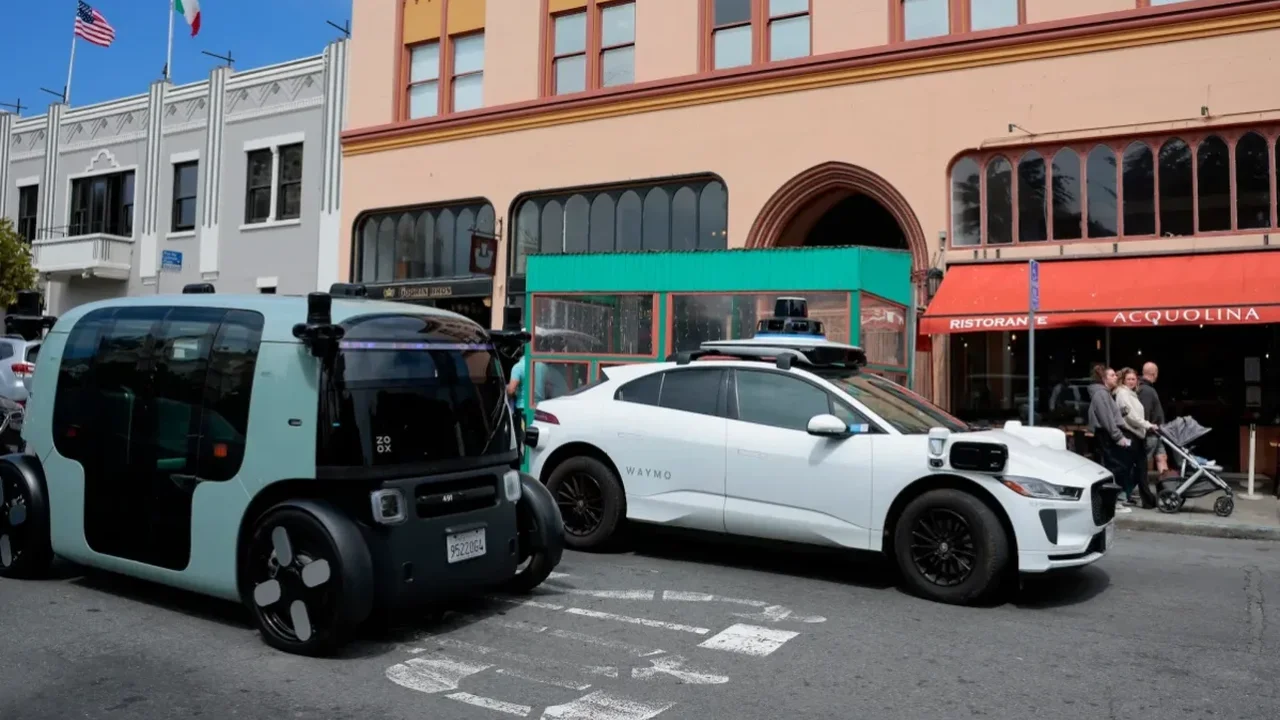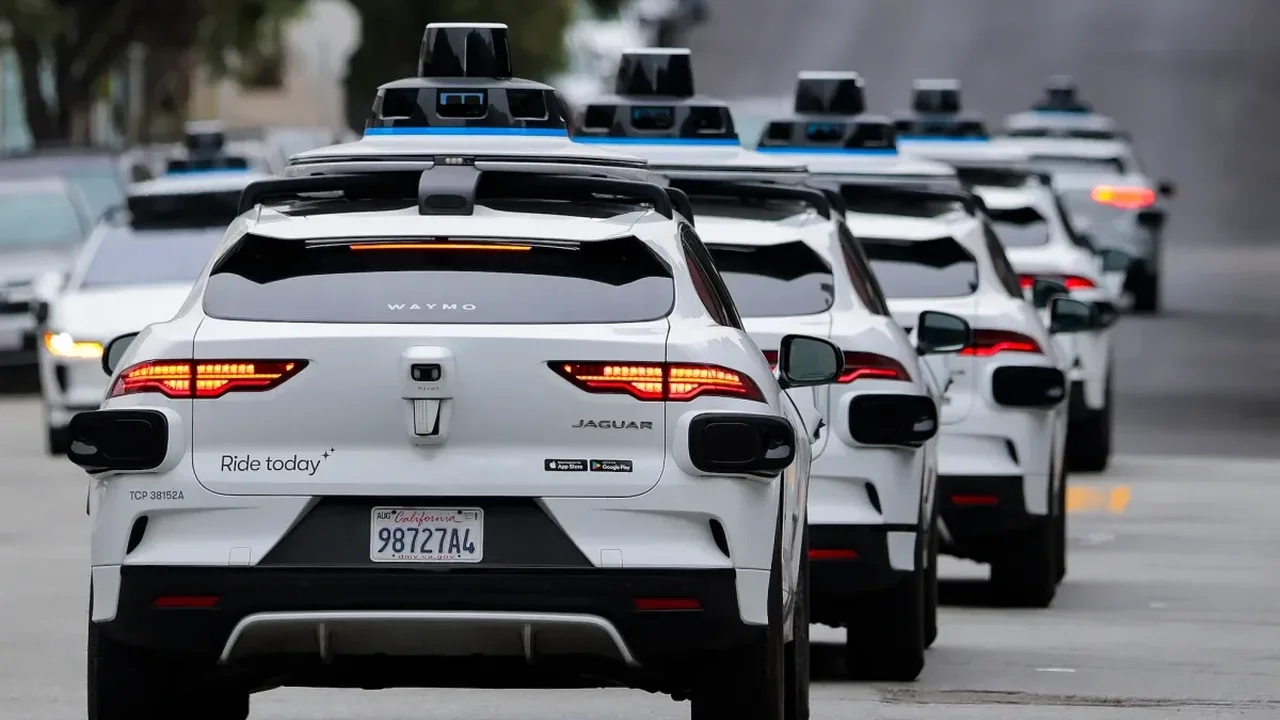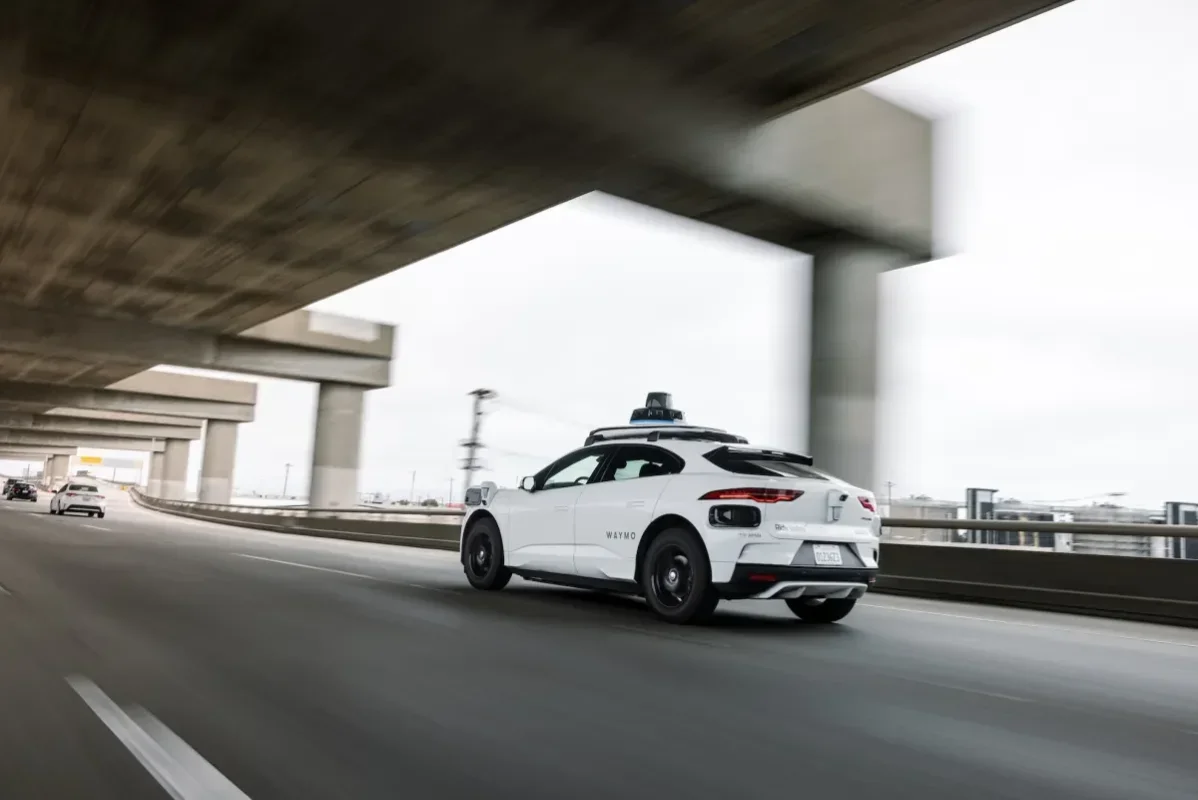
Waymo has unveiled an innovative computer model aimed at addressing a pivotal question: how does its autonomous driving technology measure up against human drivers?
The Alphabet-owned robotaxi service, in collaboration with TU Delft, detailed its new model in a research paper published in Nature Communications. This model represents a significant advancement over previous versions used for several years.
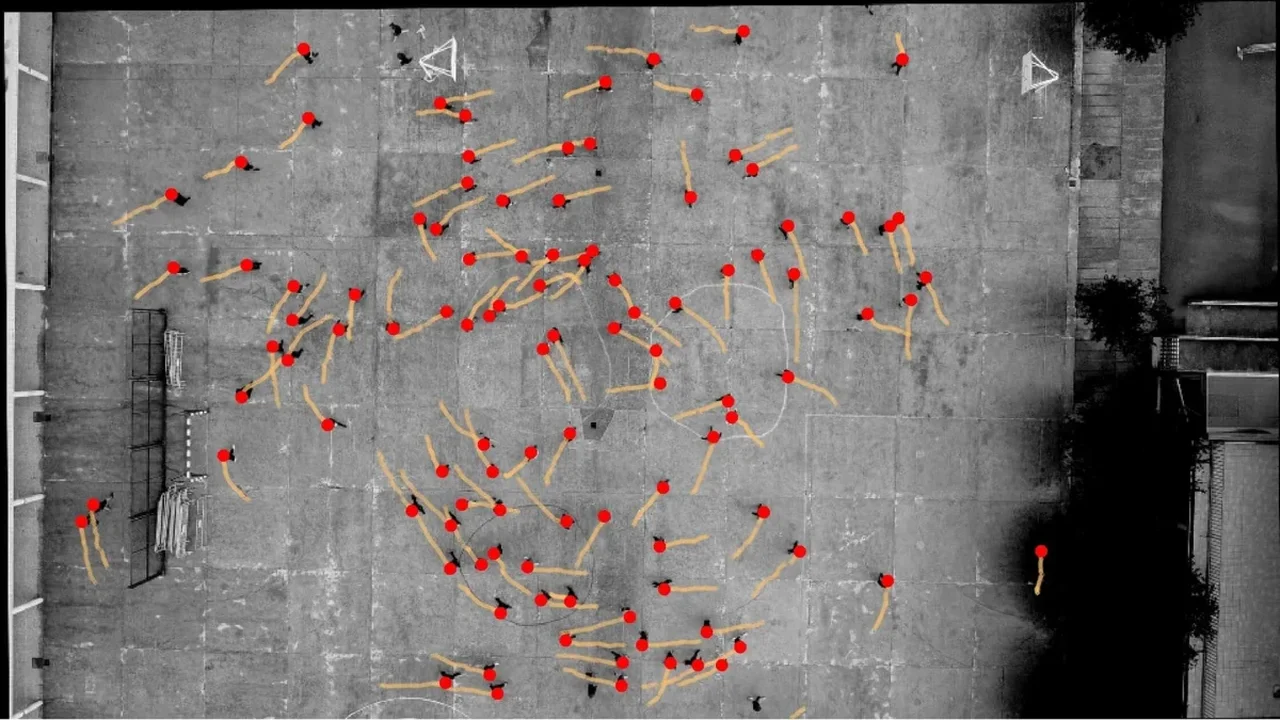
Utilizing a framework known as active inference, the new model posits that drivers continuously envision various potential futures, making decisions that lead to the safest and most predictable outcomes. Waymo anticipates that this enhanced model will provide deeper insights into human behavior during crash scenarios encountered by its robotaxis.
Historically, the automotive sector has relied on physical and virtual crash dummies to assess vehicle safety features, including hardware and structural integrity. Waymo's new model evolves this concept, acting as a behavioral benchmark for autonomous systems, effectively simulating how a skilled human driver would react to traffic conflicts.
A precise understanding of human driving behavior is crucial for autonomous vehicle manufacturers striving to evaluate their robotaxis' performance in accident situations. This development comes at a critical time for Waymo, as it expands its services to more cities while facing increased scrutiny from both regulators and the public.
In a recent incident in January, a Waymo robotaxi was involved in a collision with a child near a school in Santa Monica, California. The company relied on its prior model to assert that an attentive human driver would have reacted differently. In this case, the robotaxi struck the child at a speed of 6 miles per hour after decelerating from 17 miles per hour, resulting in minor injuries.
The most notable improvement of the new model, referred to as the Reference Driver, is its ability to replicate human behavior leading up to a crash. Previous models primarily focused on last-second, reactive maneuvers. The Reference Driver can simulate the internal 'surprise' a driver experiences during a conflict, providing a more human-like benchmark for autonomous systems, as stated by Arkady Zgonnikov, an assistant professor at TU Delft.
Waymo asserts that this model can be adapted to represent a broad spectrum of road user behaviors beyond just avoiding collisions. It is designed to handle extensive test scenarios efficiently.
According to Waymo, "The model can represent and evaluate numerous complex, real-world crashes in a virtual environment, identifying performance improvements with unprecedented speed and efficiency."
Furthermore, Waymo is encouraging collaboration on enhancing the Reference Driver. The company has made the research code available under an academic, non-commercial license, promoting its use for research, teaching, personal experimentation, and scientific publication.