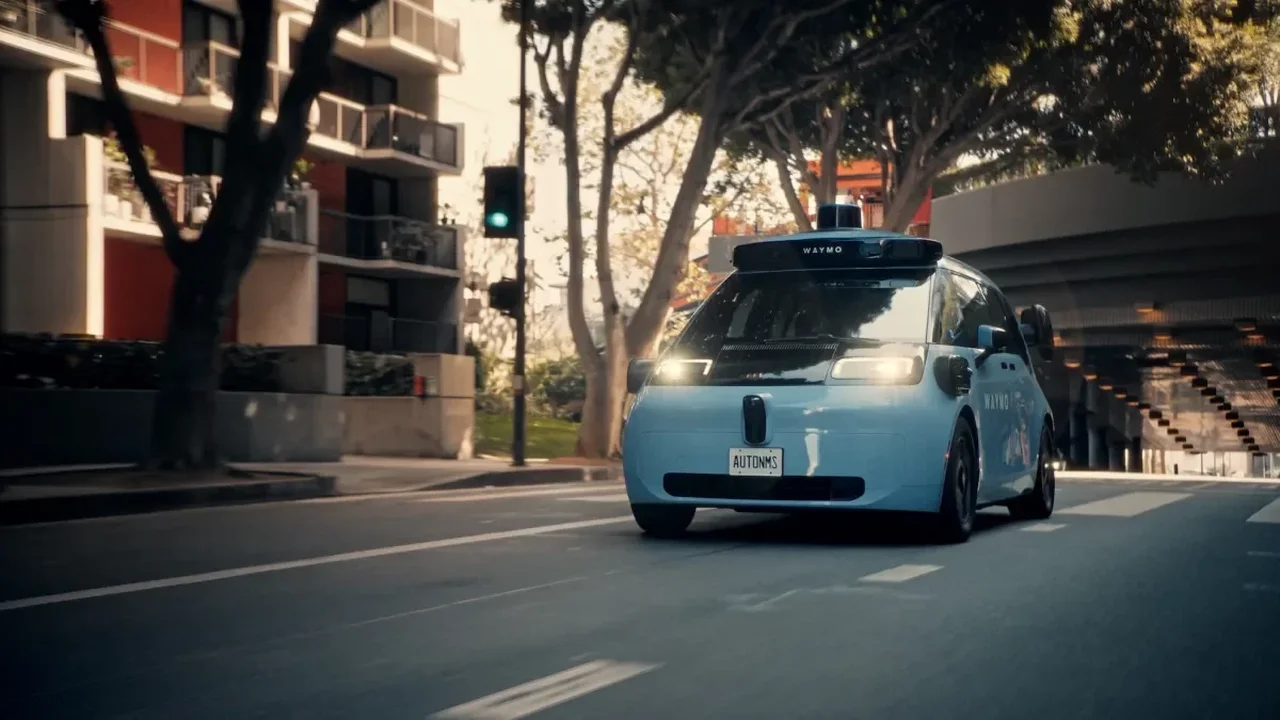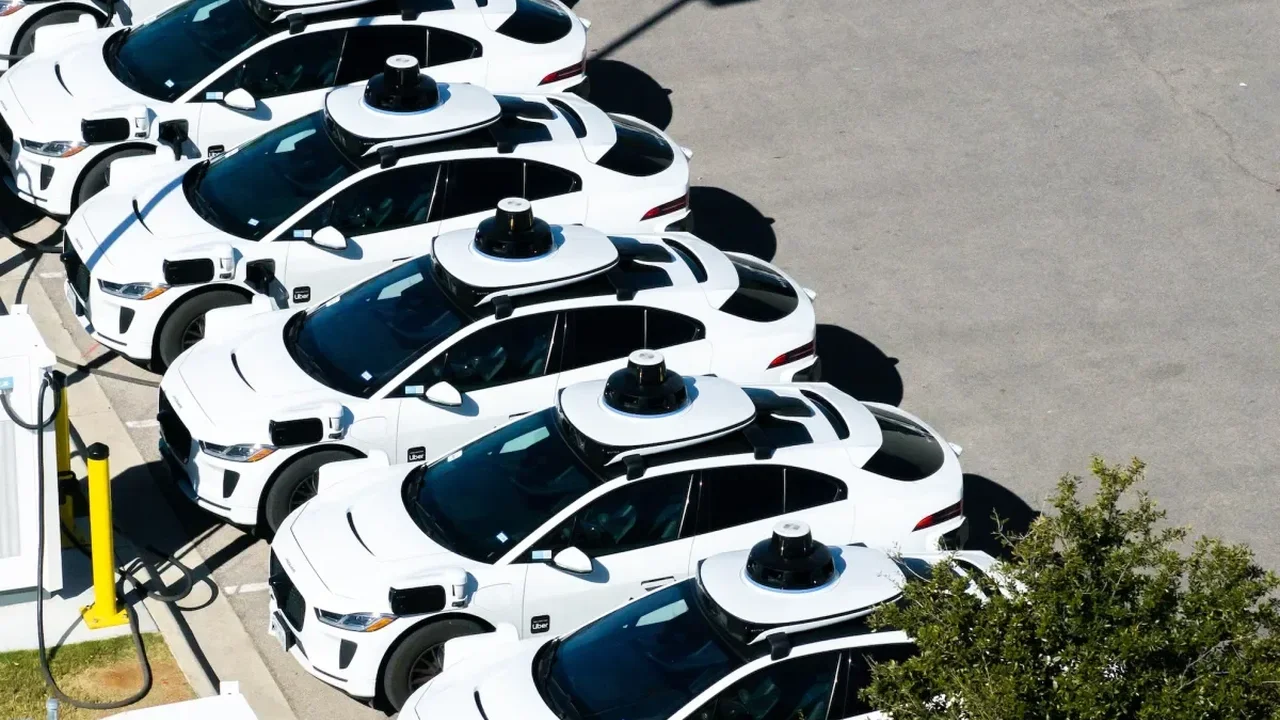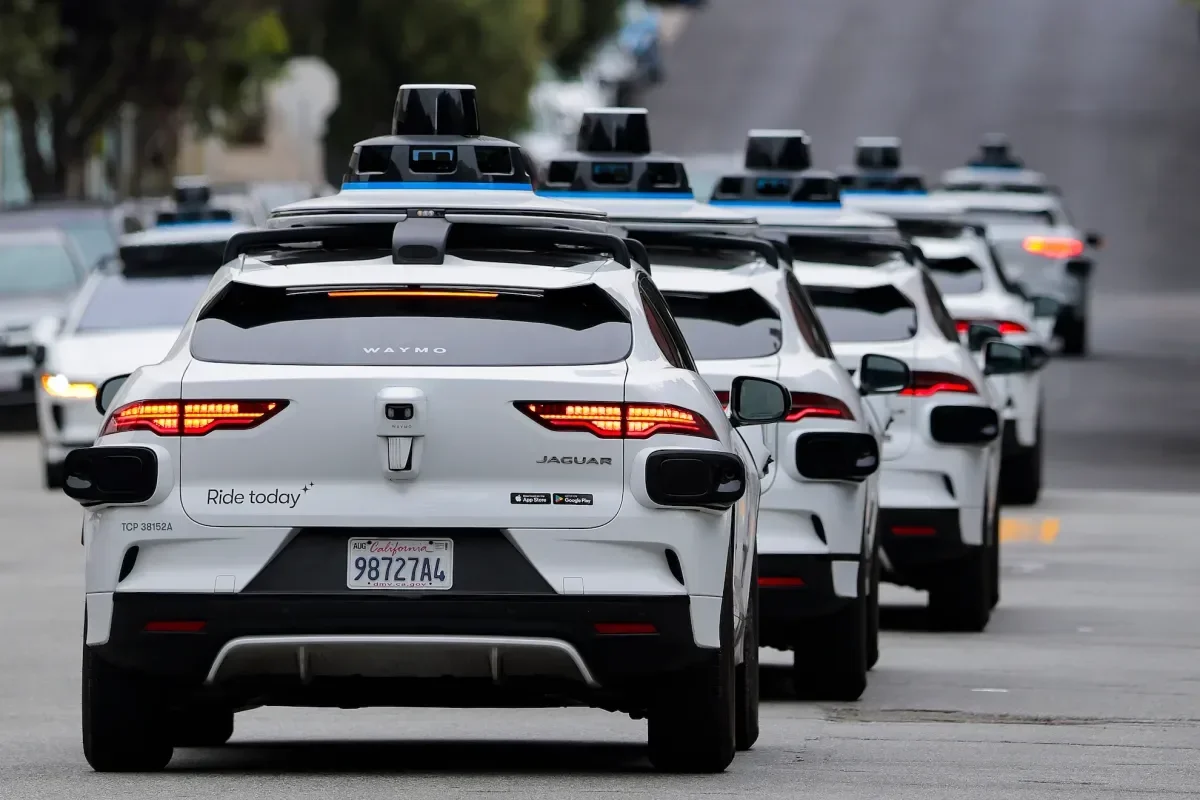
Autonomous mobility is entering a more demanding phase as regulators, manufacturers, and platform operators sharpen their focus on safety, scale, and market access. In the U.S., the National Highway Traffic Safety Administration has told autonomous vehicle developers that systems must not disrupt first responders or law enforcement, and it has asked companies to submit practical fixes by the end of the month.
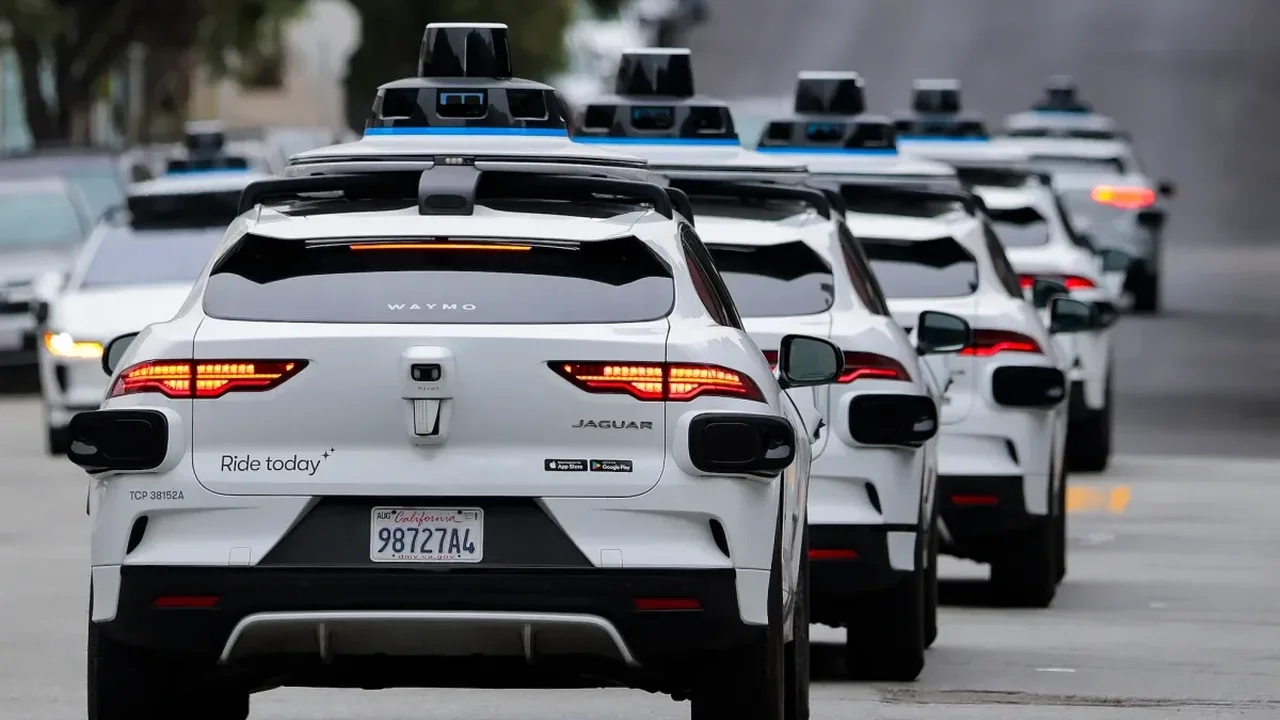
The move arrives as the robotaxi landscape continues to evolve. Uber and Waymo have already ended their Phoenix partnership, while their remaining robotaxi collaborations in Atlanta and Austin remain under watch. The broader industry now appears to be shifting from quiet competition to a more visible race over policy, deployment, and public trust.
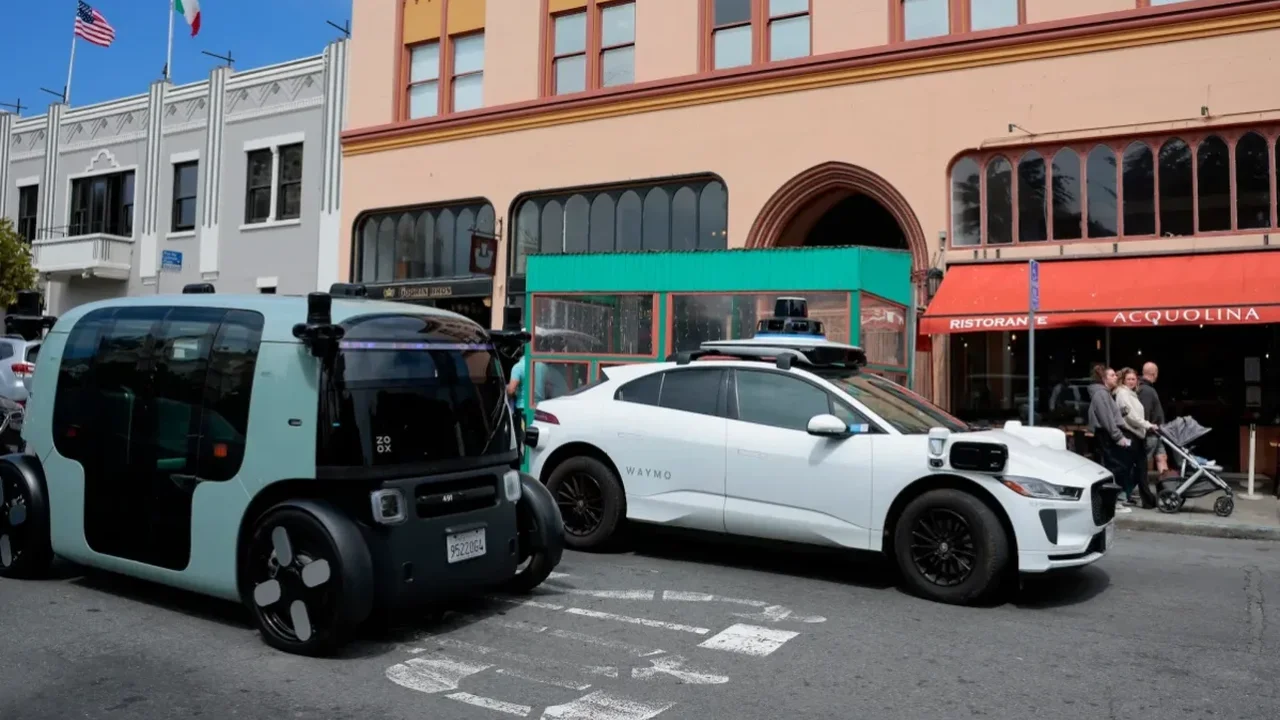
At the same time, the federal government's updated 2026 regulatory agenda includes proposed changes to vehicle safety standards that could support next-generation electric and autonomous vehicles, including designs without steering wheels or pedals. That could open new pathways for companies such as Tesla and Zoox as they develop vehicles built around software-first mobility.
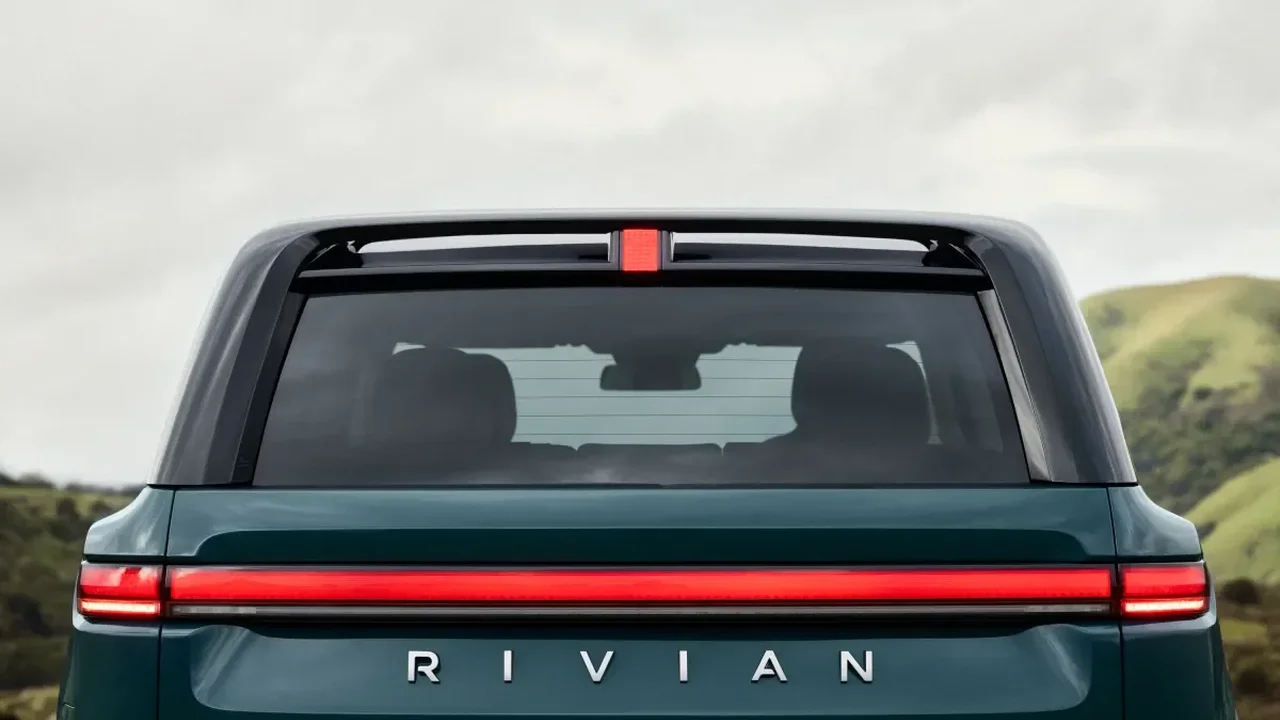
In electric vehicles, Rivian drew attention with a new share sale that is expected to bring in about $1.32 billion. The company priced 86.25 million Class A shares at $15.50 each, including additional shares purchased by underwriters. The capital comes as Rivian begins R2 SUV deliveries and lifts its 2026 delivery outlook to 65,000-70,000 vehicles.
Elsewhere in mobility and clean tech, Bidbus raised $15 million to expand its dealer-bidding marketplace, Lyft moved to acquire Serveo's bike-share business in Spain, and U.K.-based battery startup TaiSan secured £4.65 million to advance sodium-ion technology. Together, these moves point to a transportation sector that is becoming more connected, more automated, and more capital-intensive.
As regulation and innovation move in parallel, the next phase of mobility may be defined by safer autonomy, smarter infrastructure, and more adaptable vehicle design.