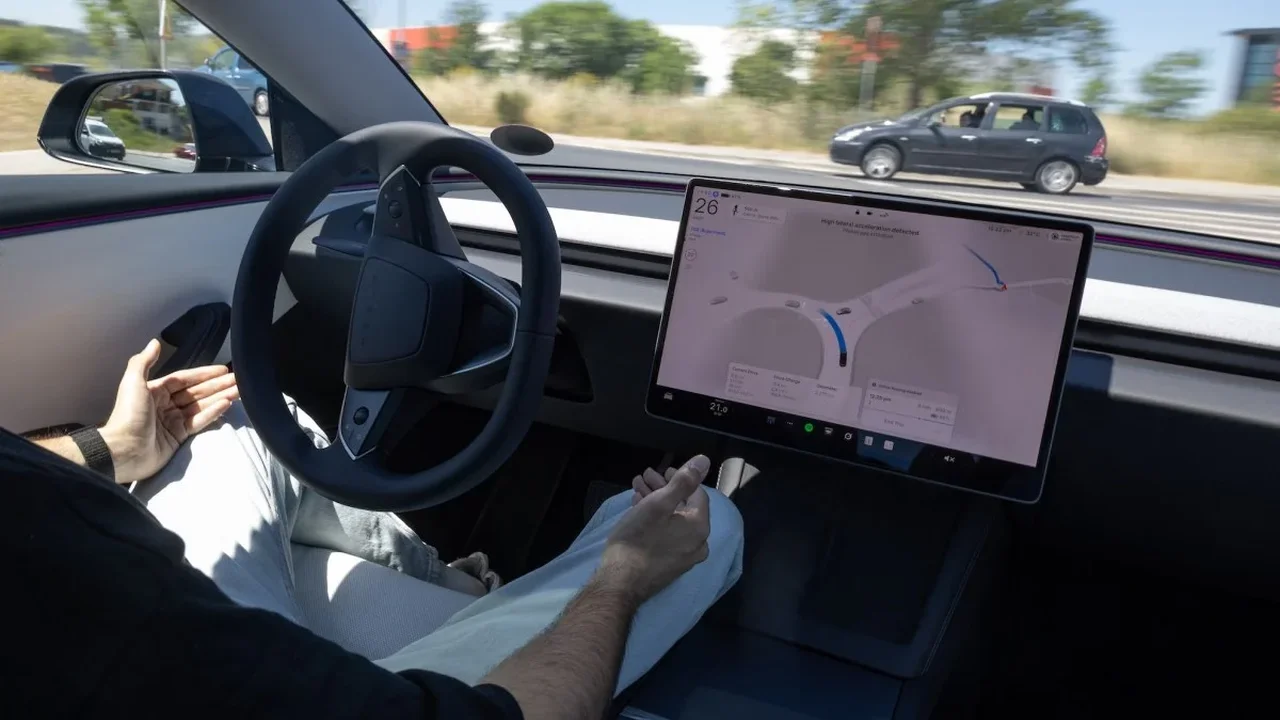
The U.S. Department of Transportation has proposed a rule change that could let autonomous vehicles operate without brake pedals when they are built to be driven entirely by automated systems. If approved, the update would remove a key design hurdle for companies developing fully driverless models.
The proposal opens a 30-day public comment period before regulators decide whether to adopt the change. Officials say the goal is to speed up the path from prototype to road-ready deployment while keeping core safety expectations in place.
The move would be especially relevant for companies such as Tesla and Zoox, both of which are working on vehicles designed without traditional controls like steering wheels and pedals. At present, manufacturers that want to test vehicles missing federally required equipment must seek exemptions, and those approvals can limit how many vehicles are allowed on the road.
The National Highway Traffic Safety Administration has also been revisiting other vehicle safety requirements in recent years, including rules tied to windshield systems and tire labeling. Earlier regulatory steps already made it possible for autonomous vehicles to operate without steering wheels.
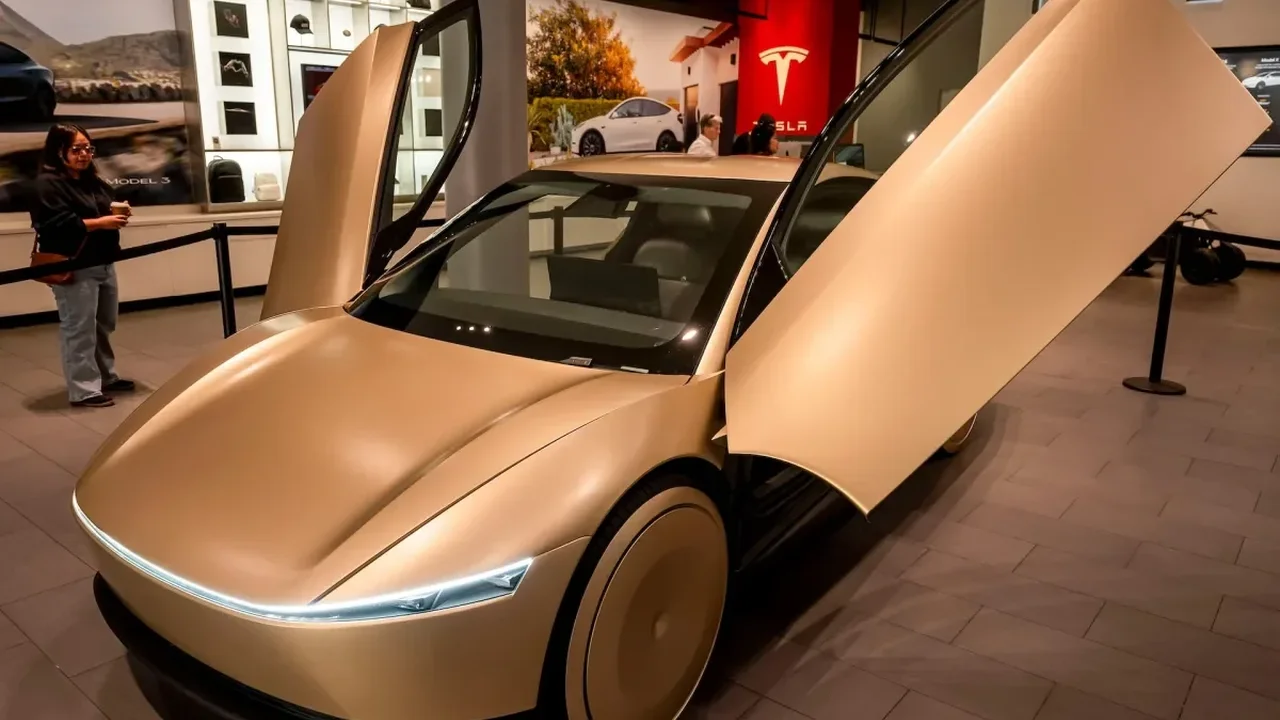
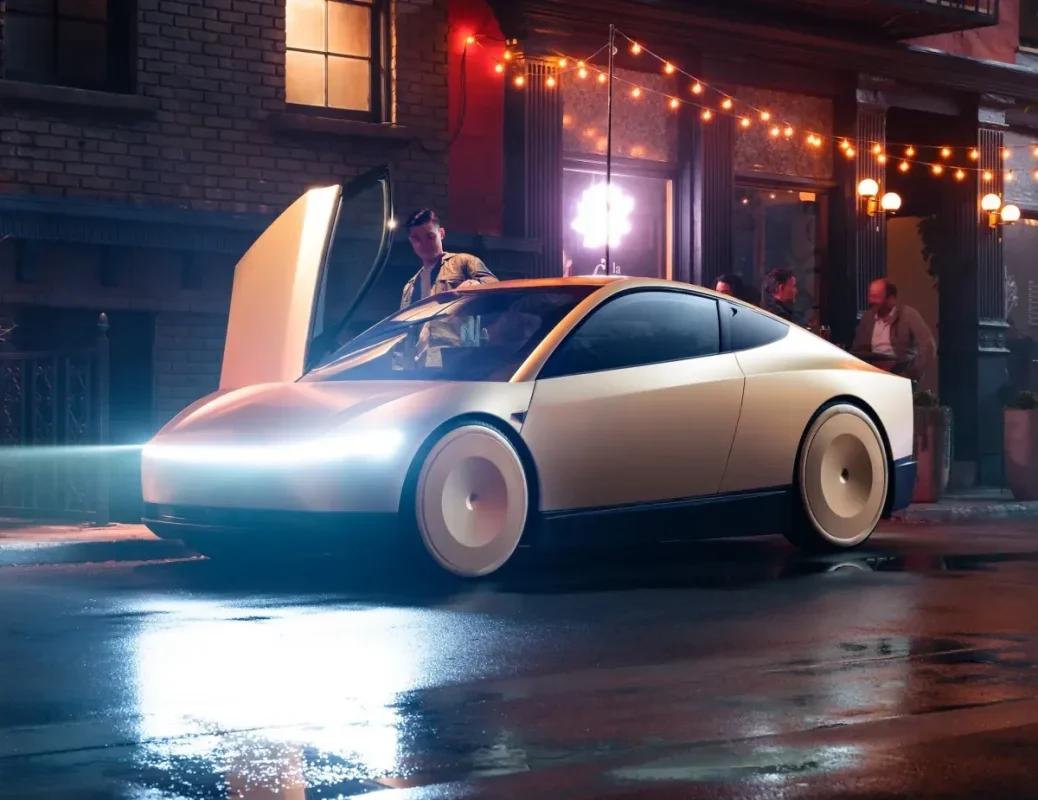
Tesla's Cybercab is one of the clearest examples of this next-generation approach, with the company aiming for a compact robotaxi built for fully automated operation. Zoox, meanwhile, has already received one exemption for its purpose-built robotaxi and is seeking another for commercial use.
As autonomous mobility matures, rules that adapt to new vehicle architectures could help accelerate innovation and shape a more flexible transportation future.