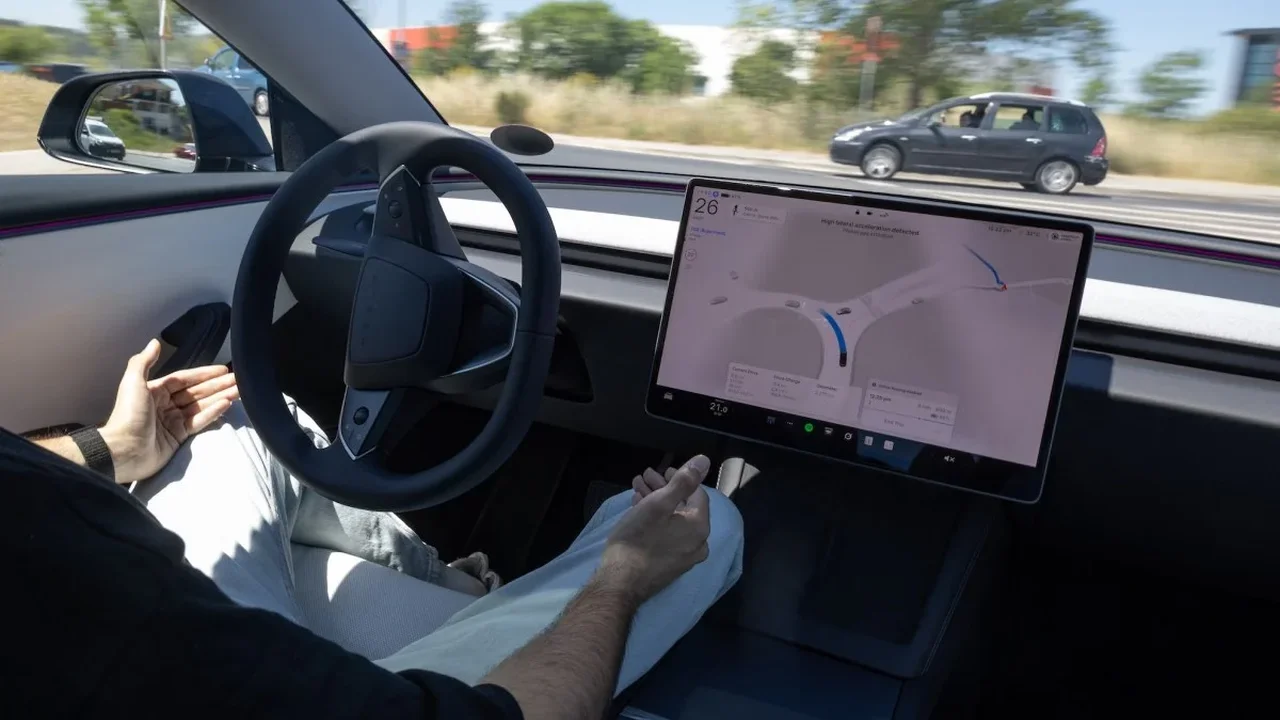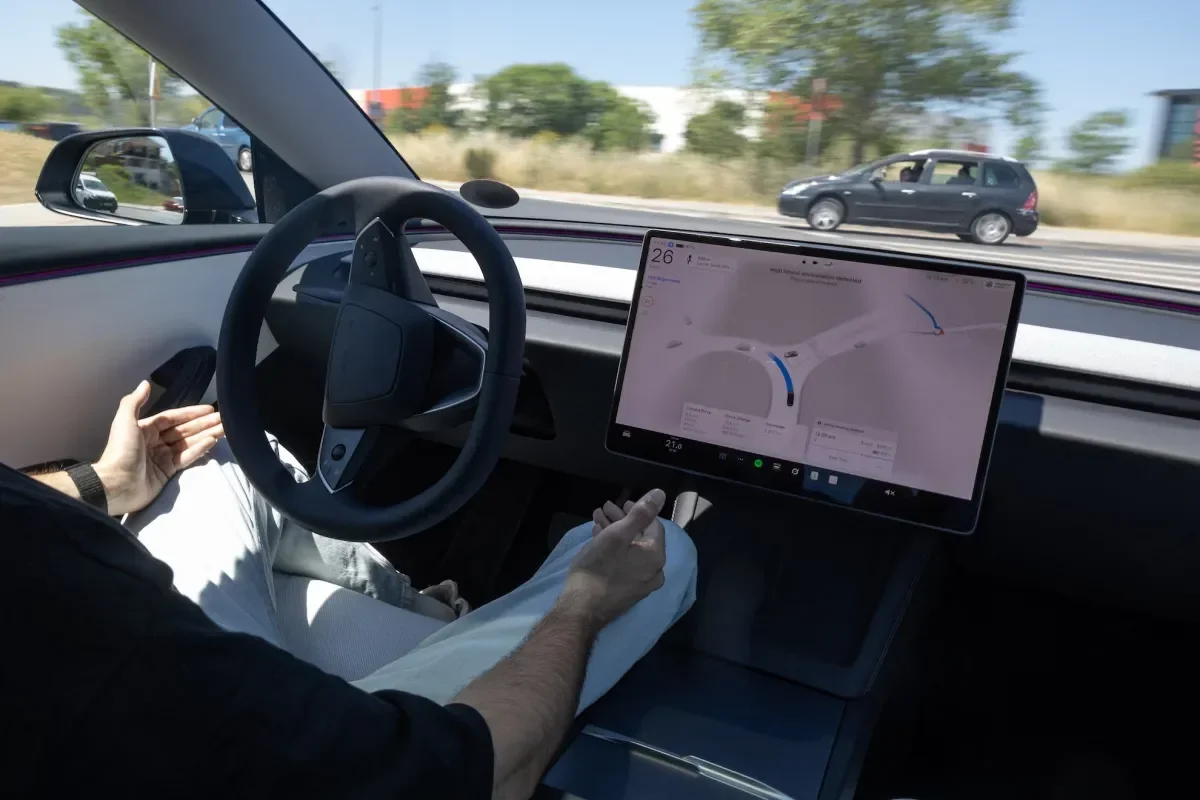
Tesla's Full Self-Driving (Supervised) system is once again at the center of the autonomous driving conversation. Recent reporting around a Texas crash has intensified attention on how the technology is used, while the National Highway Traffic Safety Administration and the National Transportation Safety Board have opened investigations. Tesla's AI software chief, Ashok Elluswamy, said the driver manually overrode the system, underscoring how critical human supervision remains in today's advanced driving tools.
The case arrives as Tesla continues to frame itself as an AI and robotics company, with FSD (Supervised) remaining one of its most visible commercial products. The broader debate is also shaping expectations for how automated systems will be evaluated, regulated, and trusted as they move closer to everyday use.
Waymo scales its robotaxi footprint
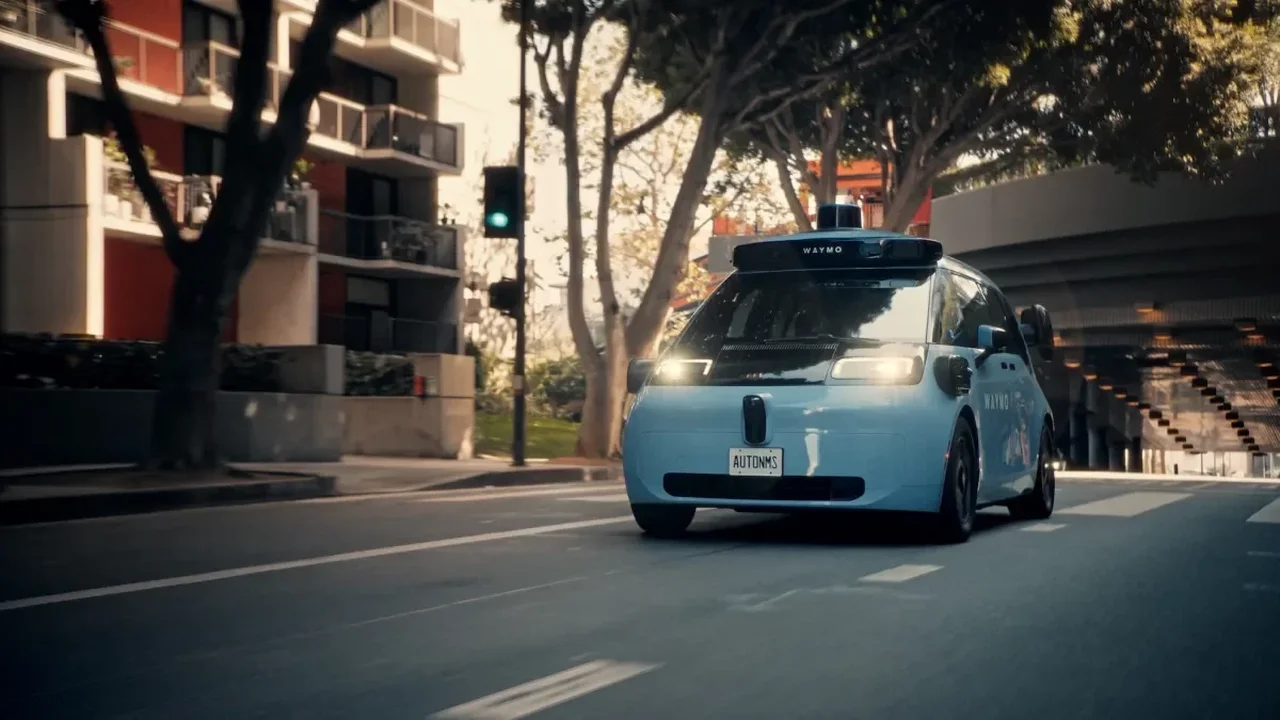
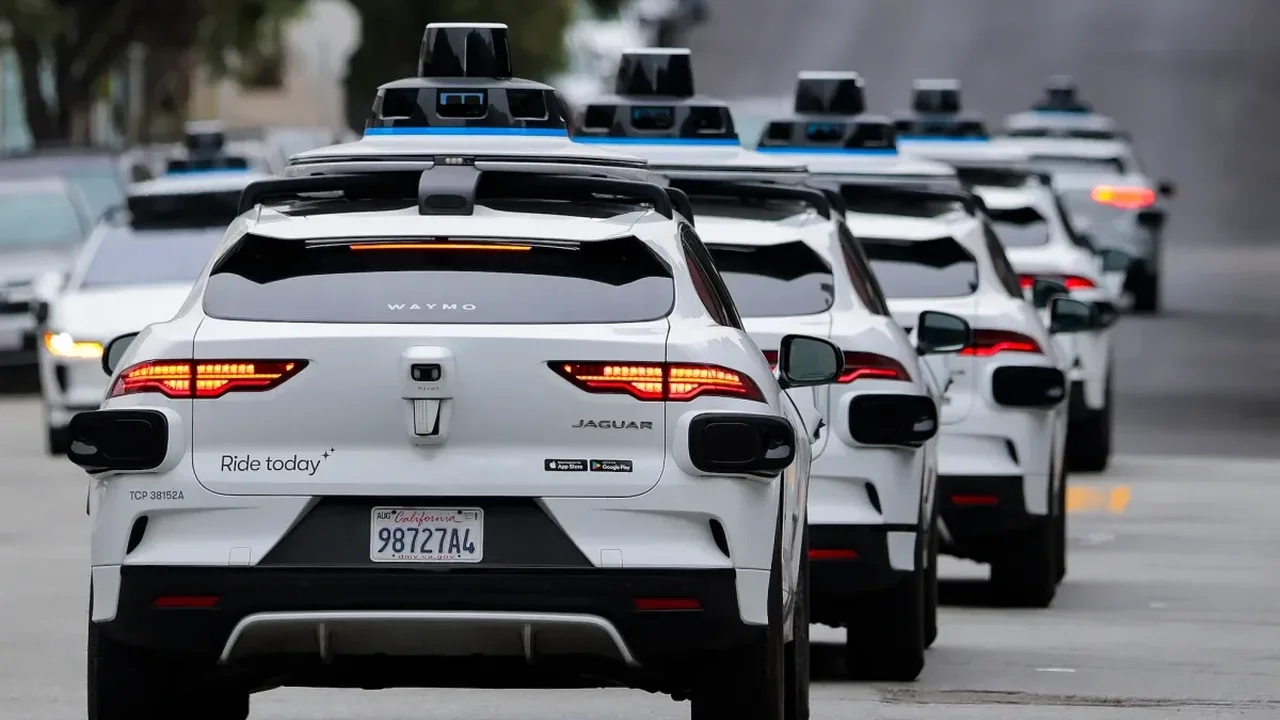
Elsewhere in autonomous mobility, Waymo is expanding its robotaxi program through the Ojai vehicle platform, developed with Zeekr, the EV brand under Geely Holding Group. Research from MoffettNathanson, based on U.S. shipping records, suggests Waymo could import about 3,156 vehicles this year, or roughly 300 per month. The vehicles are built with Waymo's sixth-generation self-driving stack, including multiple cameras, lidar, radar, and external audio sensors.
The momentum around autonomous transport is also drawing fresh investment. Aseon Labs raised $10 million to build mobile pods that inspect, clean, and charge robotaxis. Terawatt Infrastructure secured financing that could reach $300 million to expand charging depots for electric and autonomous fleets. In parallel, Partly closed a $50 million Series B for AI tools in auto repair supply chains, while Elroy Air announced plans to go public through a merger valued at about $1 billion.
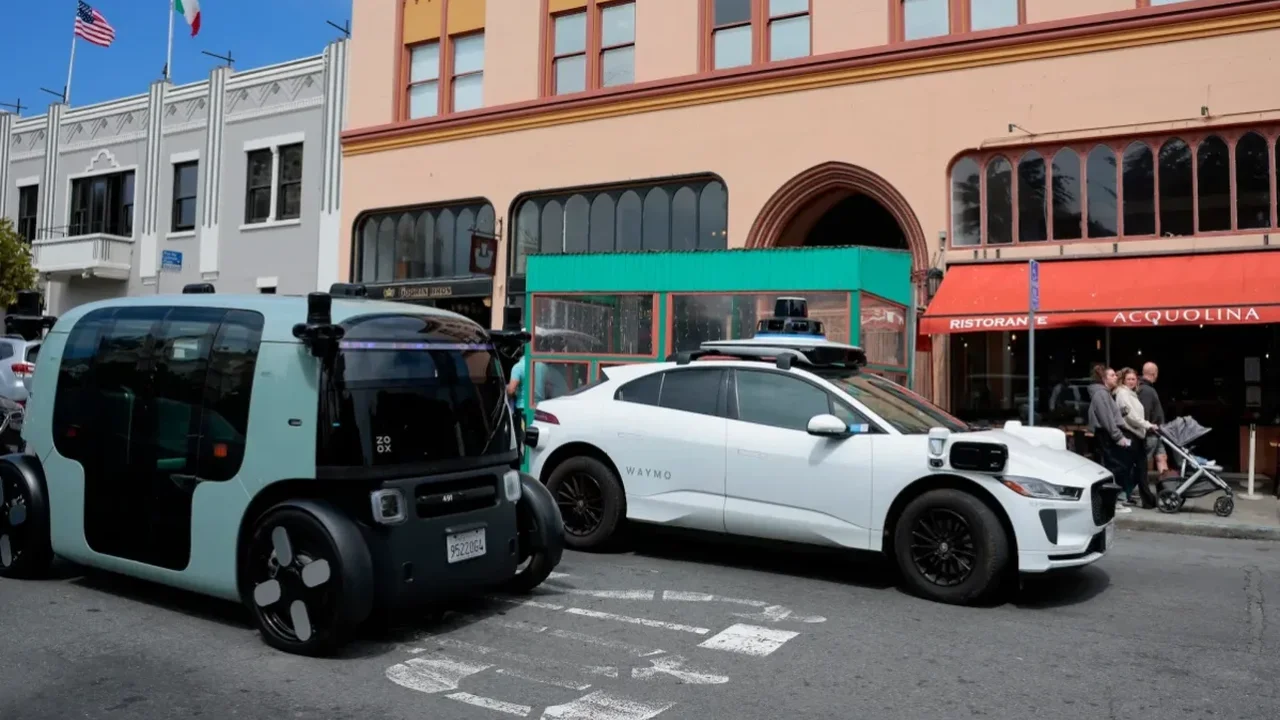
Other signals point to a fast-maturing ecosystem: CaoCao and May Mobility are exploring robotaxi services in Europe, Lyft is defining a multi-sensor safety standard for autonomous rides, and Zoox is refining its custom robotaxis ahead of commercial deployment. Together, these moves show how mobility is evolving from standalone vehicles into connected platforms, infrastructure, and services. The next phase of transportation may be shaped by how well safety, scale, and AI innovation advance together.