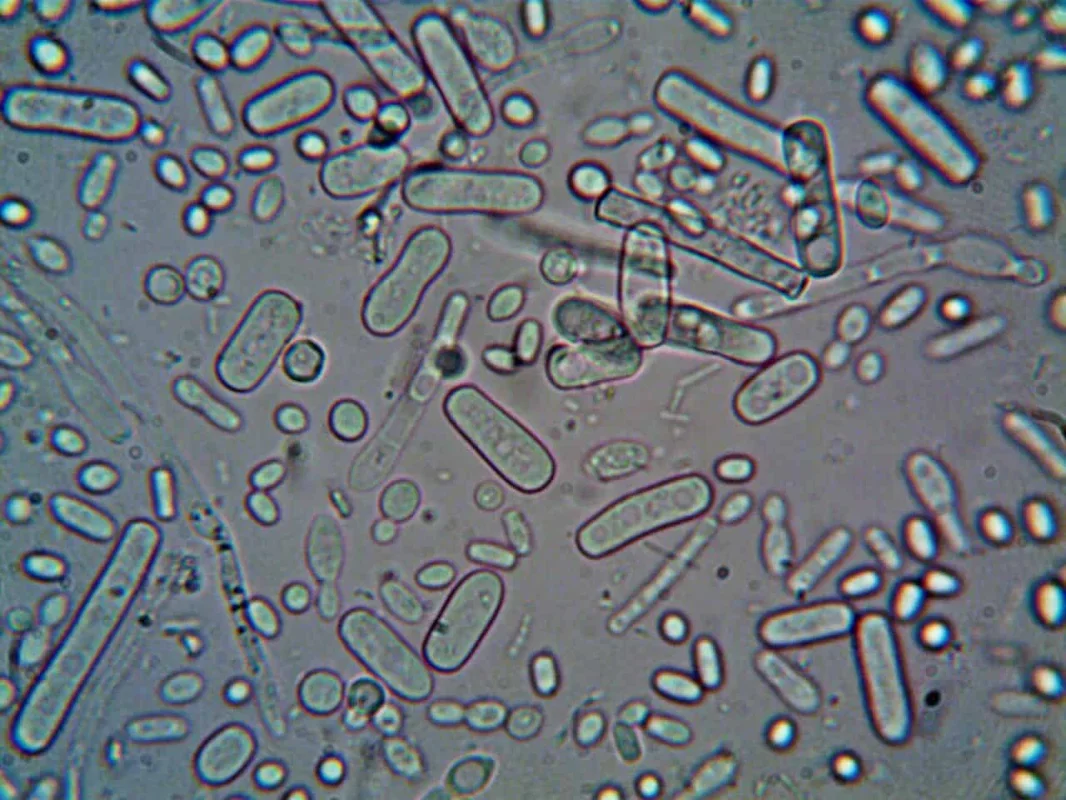
New research is drawing attention to the gut as a possible frontier in lupus care. Scientists at UT Health San Antonio found that the beneficial bacterium Faecalibacterium prausnitzii appears to be reduced in people with lupus, a chronic autoimmune condition in which the immune system targets the body's own tissues.
A Microbial Clue
The study focused on a bacterium known for producing butyrate, a compound that supports the gut lining and helps regulate inflammation. By reviewing human stool-metagenome data, the team identified F. prausnitzii as one of the microbes that is diminished in lupus.
To test whether restoring it could matter, researchers gave the bacterium to lupus-prone mice. The results were encouraging: the animals showed better fiber digestion, stronger gut barrier protection, lower immune overactivity, and less kidney damage. Their microbiome also shifted toward a pattern more similar to healthy mice.
Beyond the Immune System
The team used a multiomics approach, combining microbial genes, gene activity, and chemical byproducts to understand how the bacterium may influence disease pathways. In treated mice, the colon showed more immune cells linked to balance and fewer inflammatory signals. The spleen, a key immune organ, also appeared less activated.
Researchers also observed lower levels of anti-dsDNA antibodies, a classic marker associated with lupus activity. Because kidney involvement is one of the most serious aspects of the disease, the reduced kidney injury seen in the mice stands out as an important early signal.
According to the researchers, the next step is to study the molecules produced by F. prausnitzii and explore how diet may shape its effects. The work, published in Nature Communications, does not offer an immediate treatment, but it strengthens the idea that the gut microbiome could become a more precise target for future lupus therapies.
As science continues to map the dialogue between microbes and immunity, this line of research may help shape more personalized and less disruptive treatments in the years ahead.