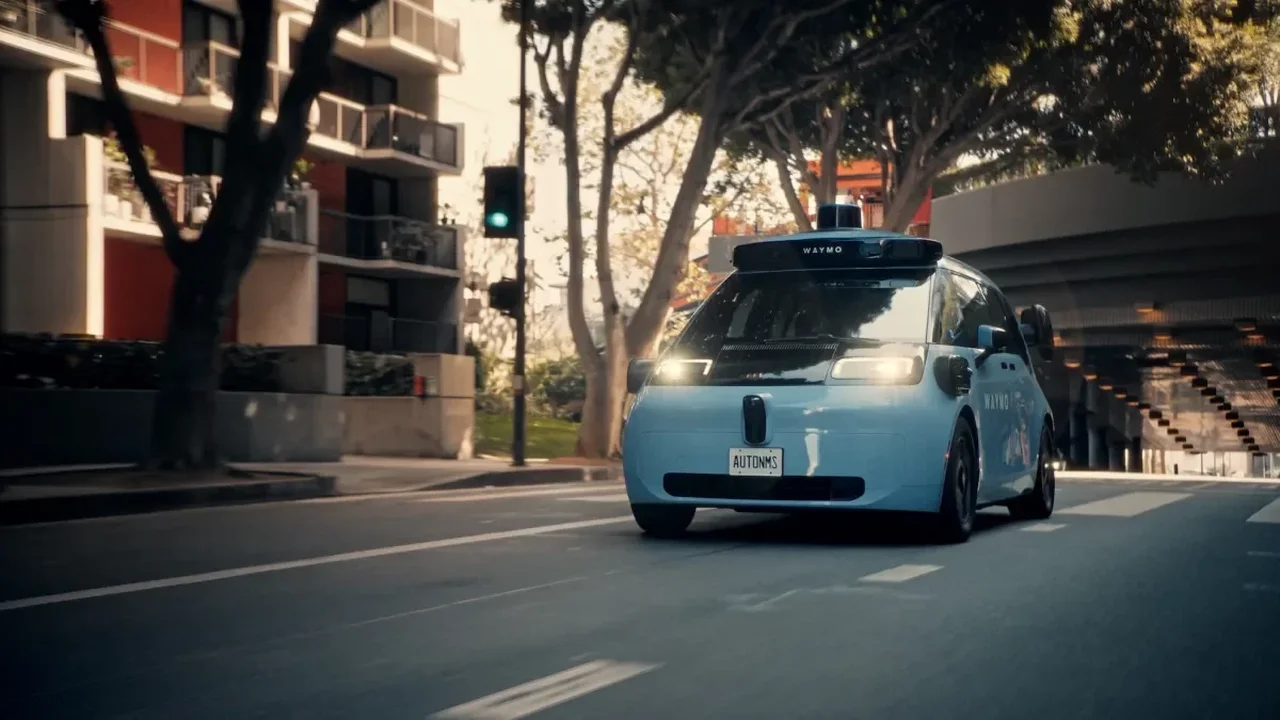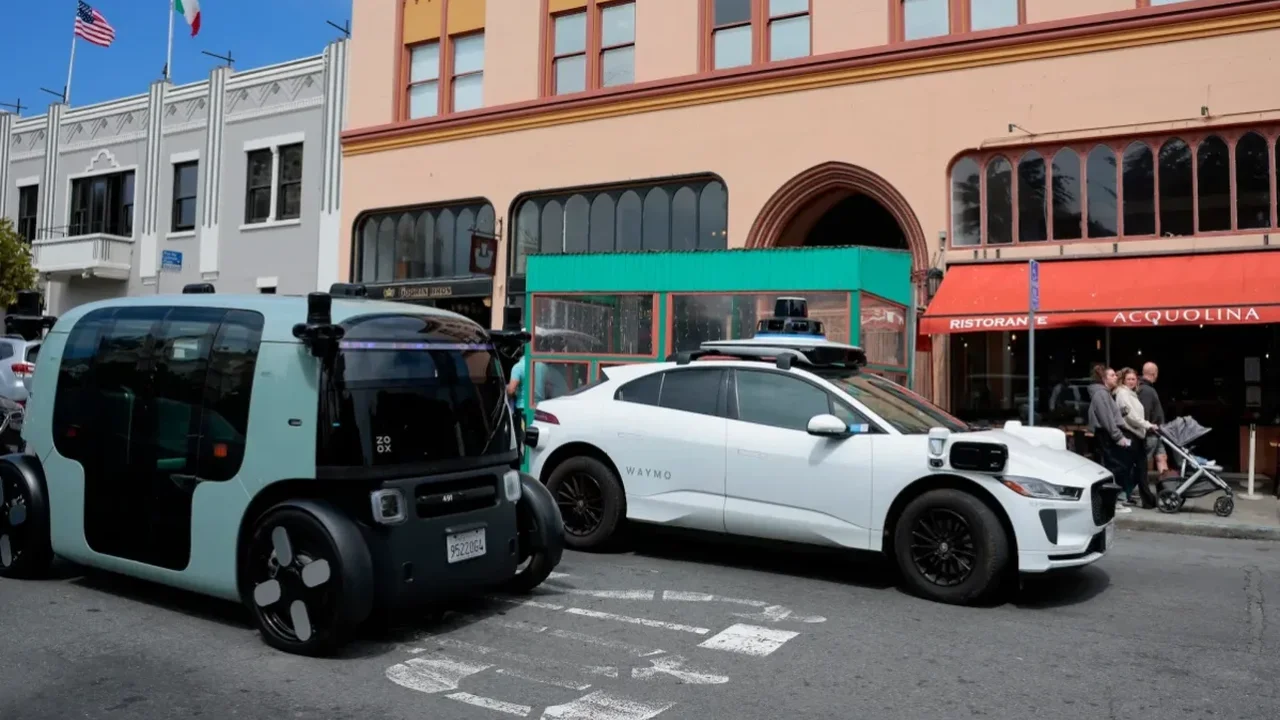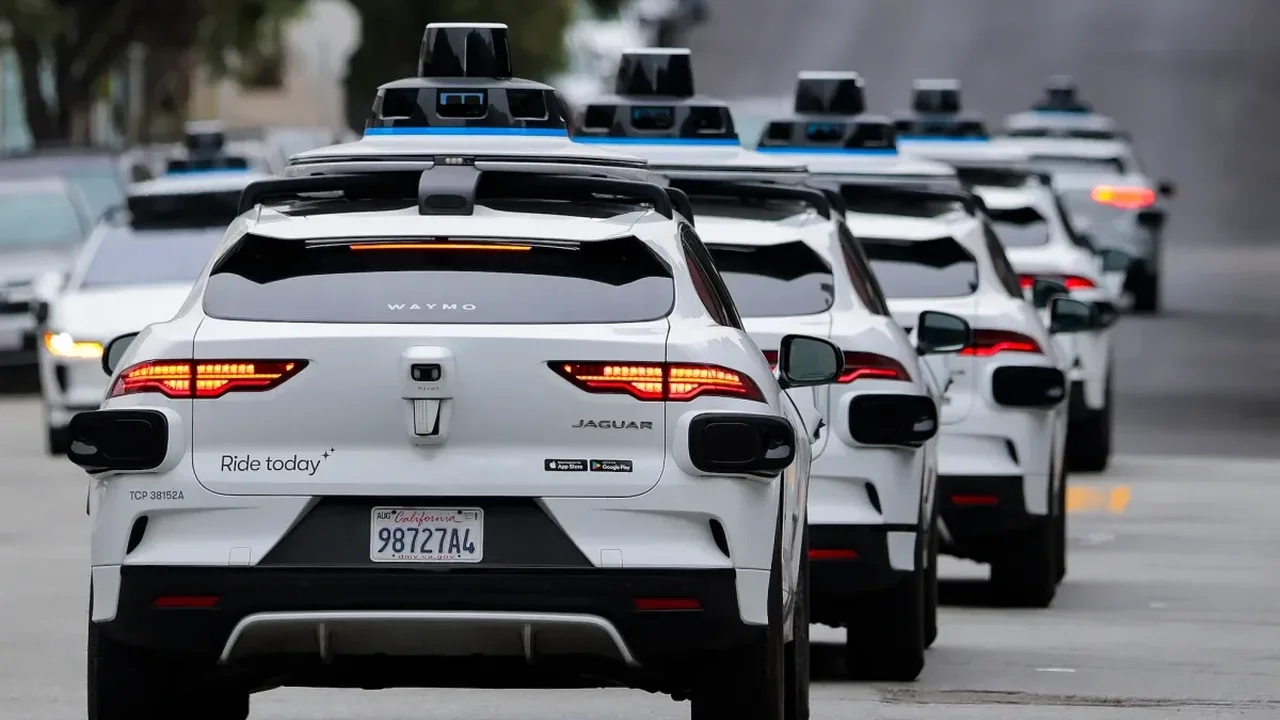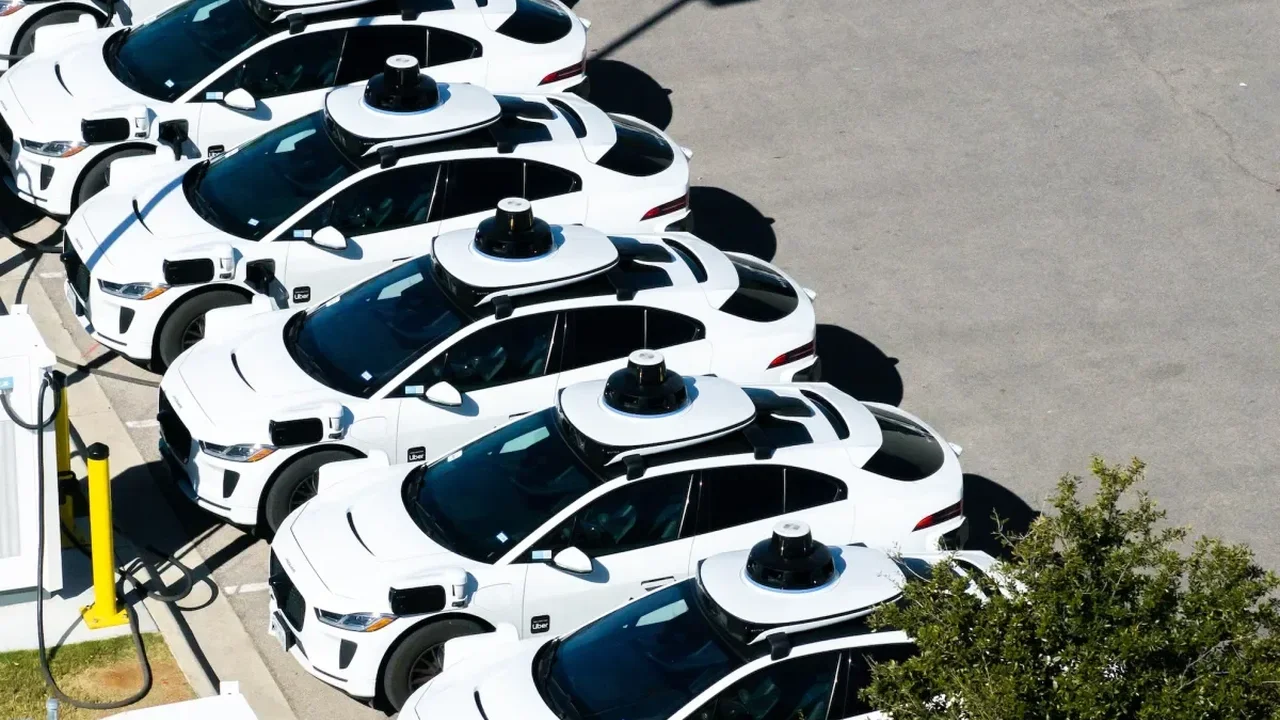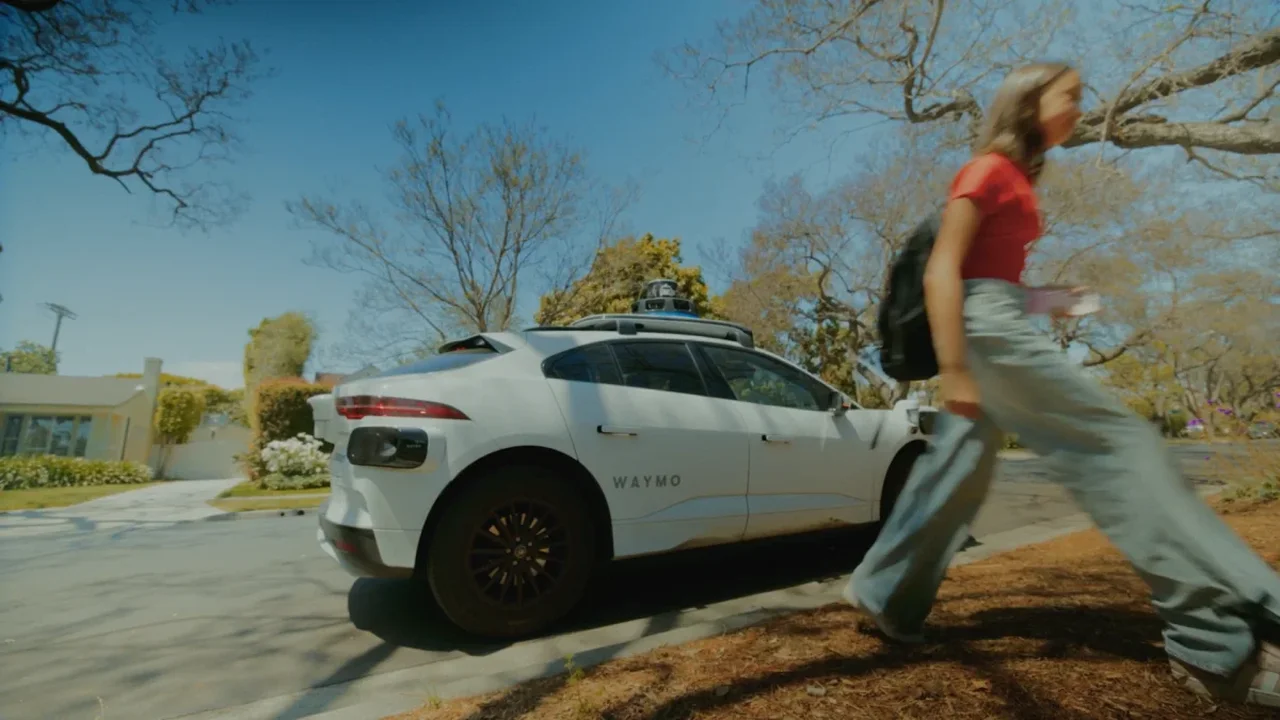
Autonomous ride-hailing services are entering a new phase of oversight as lawmakers and regulators examine how robotaxis respond when emergency crews need immediate access. The discussion is now centered on whether the industry should follow national safety standards designed specifically for these situations.
In San Francisco, Rep. Kevin Mullin introduced the AV Emergency Response Coordination Act, a proposal aimed at setting clear rules for autonomous vehicle operators. The bill would ask federal regulators to define minimum requirements for emergency coordination, including direct communication channels for public safety officials and a 24-hour hotline for urgent contact with companies.
The proposal also gives authorities a possible way to temporarily limit robotaxi operations in sensitive areas during emergencies through geofencing. Supporters say this could help cities respond faster when autonomous vehicles are operating near fire stations, ambulance facilities, or active safety zones.
Waymo said it supports a federal framework and standardized protocols for working with first responders. The company added that shared guidelines could give both operators and public safety teams a clearer operating model as autonomous fleets expand across U.S. cities.
The broader conversation has intensified after federal regulators and local leaders raised concerns about driverless vehicles interfering with emergency response. The National Highway Traffic Safety Administration has already asked AV developers to present solutions, signaling that the sector may soon move toward more uniform rules.
As robotaxis become a larger part of urban mobility, the next step may be a smarter balance between innovation, public trust, and real-time safety coordination.