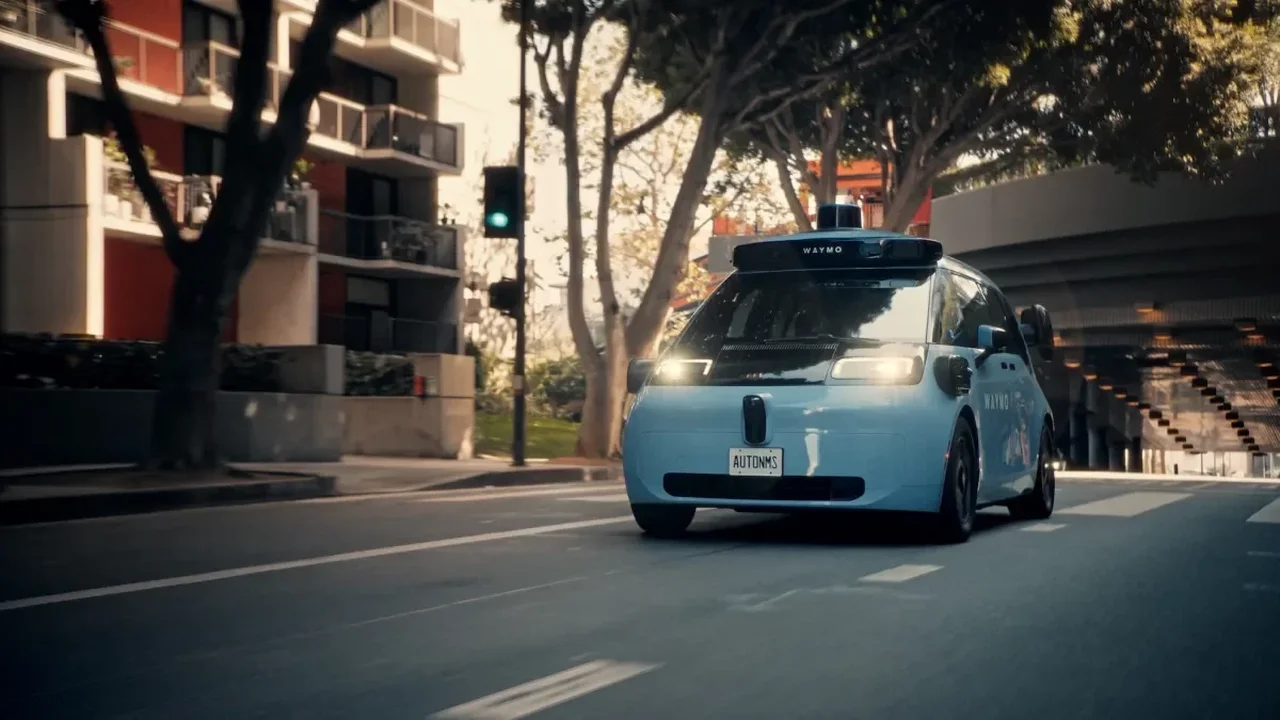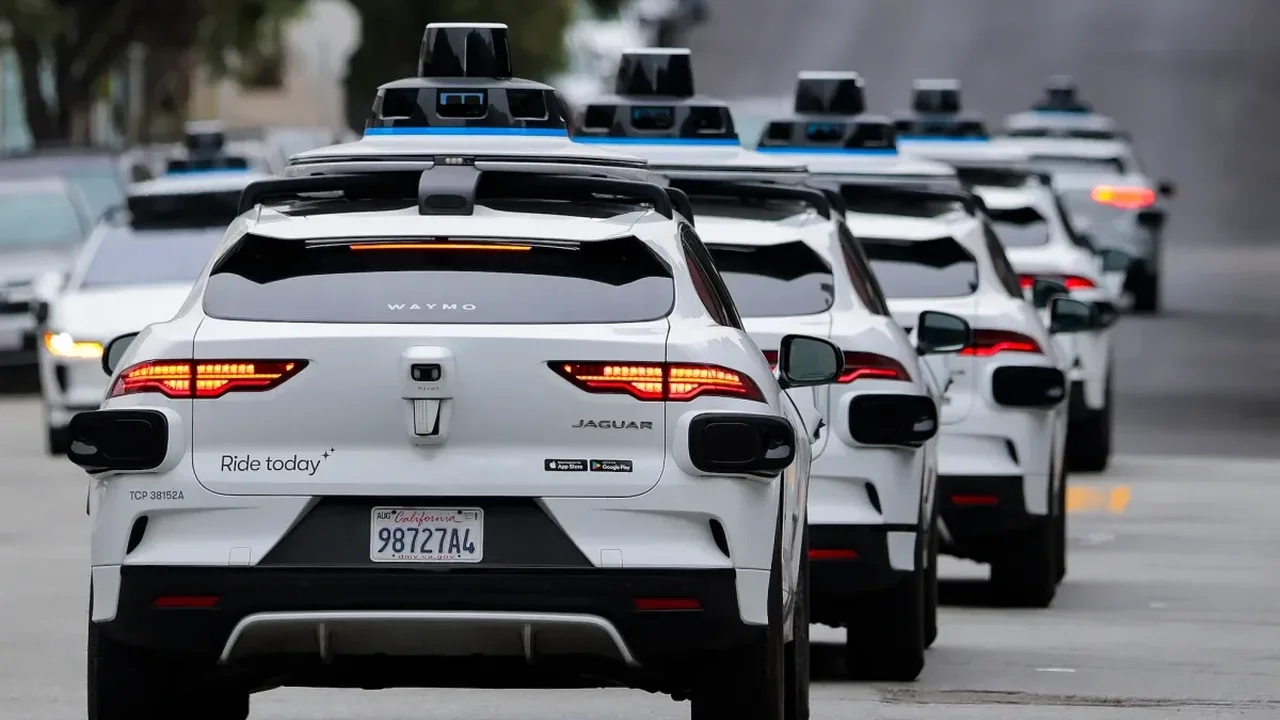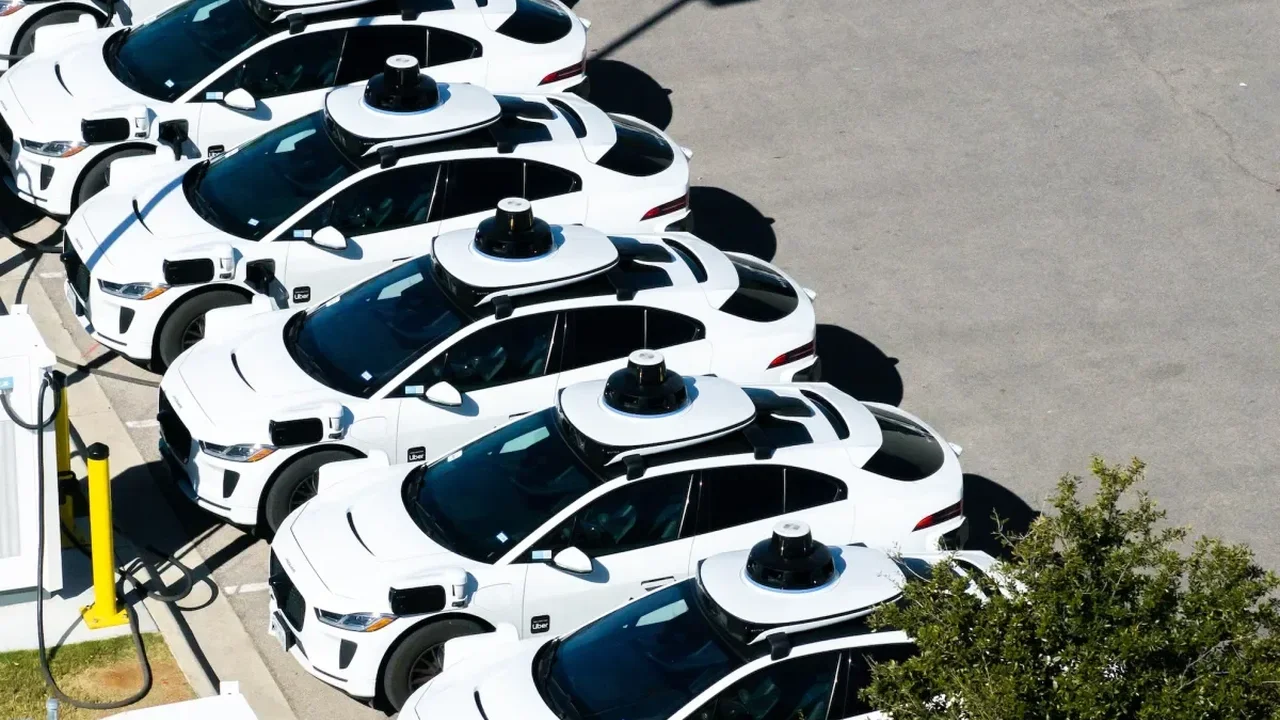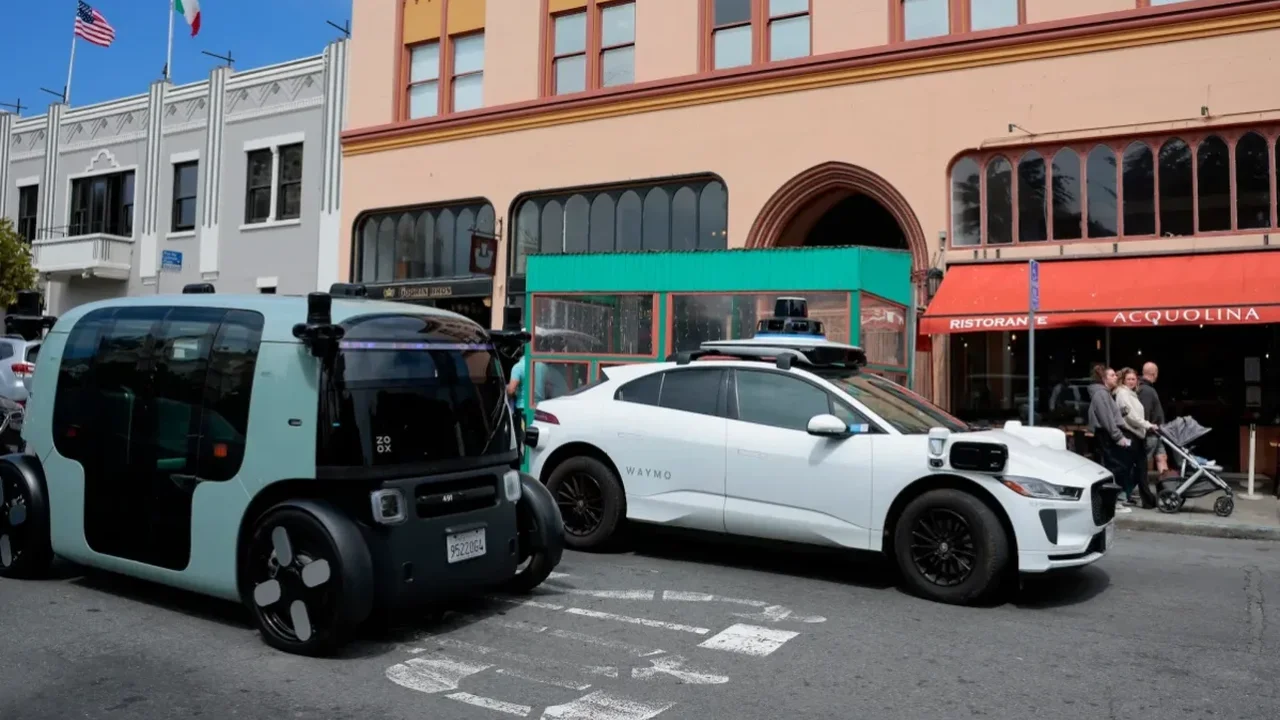
California has introduced a new framework designed to help autonomous vehicles operate more smoothly alongside emergency services as robotaxi networks expand.
Signed by Governor Gavin Newsom, Senate Bill 1246 establishes clearer responsibilities for autonomous vehicle developers when a driverless vehicle becomes disabled or obstructs emergency operations. The rules are scheduled to take effect in July 2028.
Local support becomes a core requirement
Under the new law, companies operating robotaxis will need to provide local, on-the-ground support for first responders. Operators may face penalties if their vehicles block police, fire or emergency crews for more than 30 minutes.
The legislation also requires autonomous vehicle developers to maintain local incident technicians who can assist with vehicle obstructions and collisions. During system-wide disruptions, companies must notify nearby cities and other local authorities about vehicle locations and operating status.
Remote vehicle operators will also be required to work from within the United States and hold a valid U.S. driver's license. These measures aim to ensure that human support remains accessible when autonomous systems need intervention.
A new stage for autonomous mobility
Companies including Waymo, Tesla and Zoox are among the developers expected to adapt their operations to the new requirements. The California Department of Motor Vehicles will shape implementation details as the state continues to oversee autonomous vehicle deployment.
The legislation reflects a broader shift in mobility innovation: autonomous transport is no longer only about vehicle intelligence, but also about building dependable coordination between technology, cities and public services.
California's approach could offer a practical model for other regions seeking to scale robotaxi services while strengthening operational readiness for the next era of urban mobility.