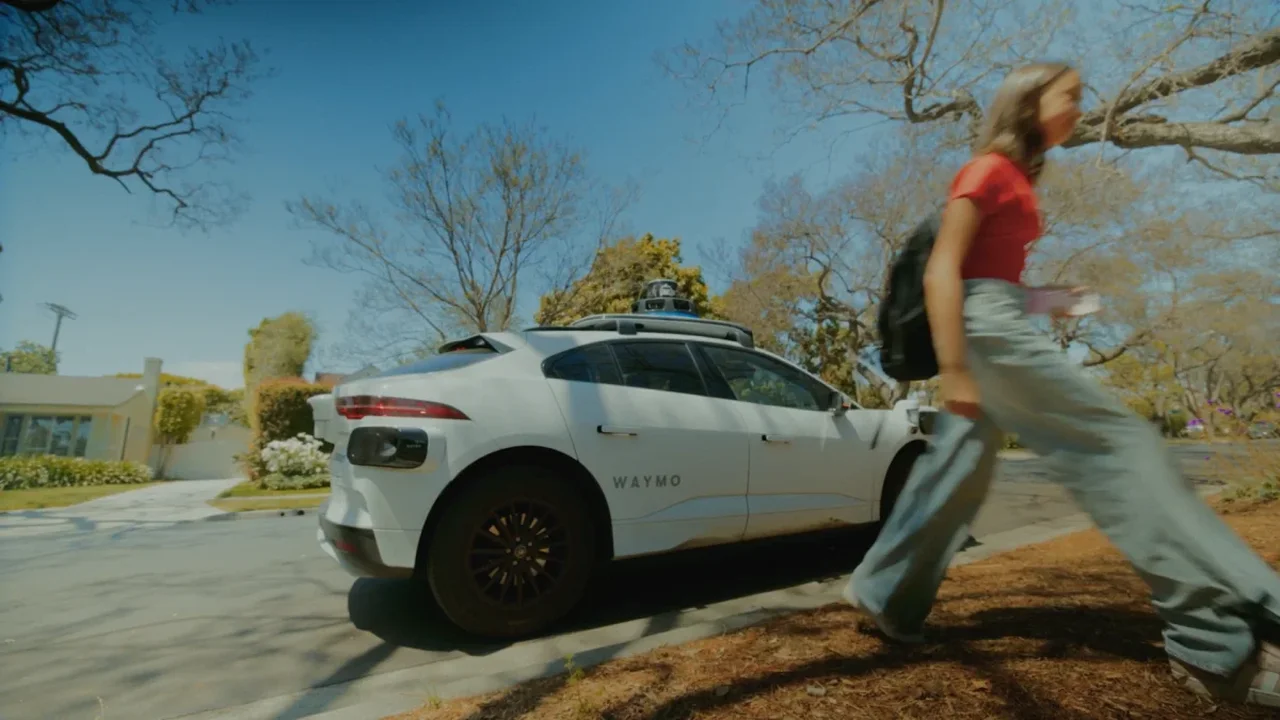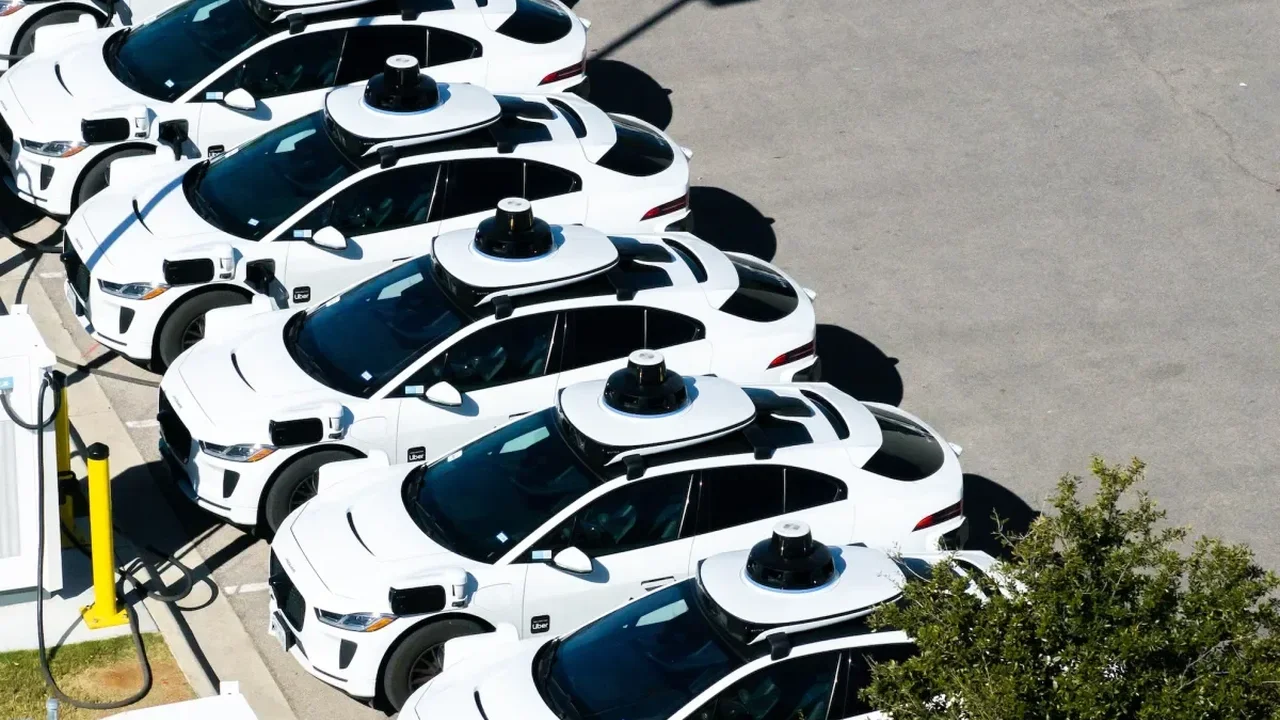
Waymo is rapidly broadening its commercial robotaxi footprint across the United States, combining new city launches with a growing fleet designed for higher-volume service. The company now operates in 15 U.S. cities, up from three in September 2024: Phoenix, Los Angeles and San Francisco.
Its ridership is expanding at a similar pace. Waymo says it now averages around 500,000 paid rides per week, underscoring the transition of autonomous driving from pilot projects to an increasingly visible urban mobility option.
Texas becomes a major growth hub
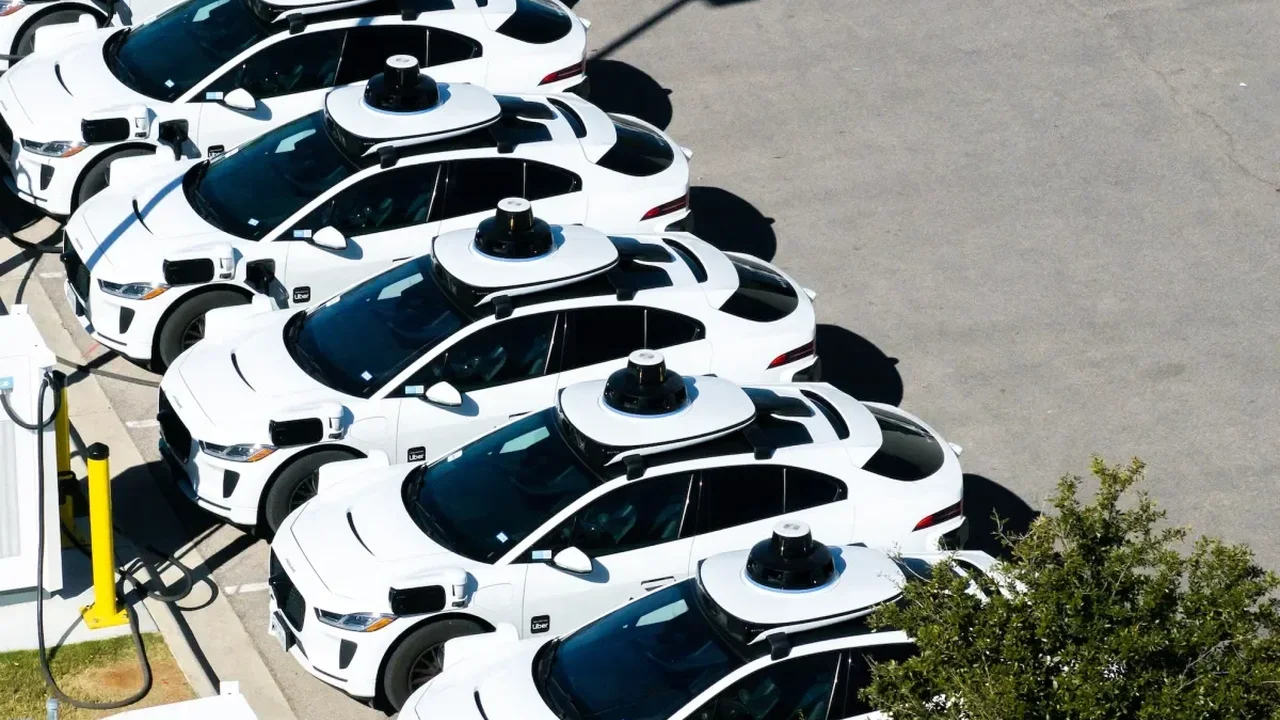
While Waymo's presence spans multiple states, its fleet remains concentrated in California and Texas. Around 80% of its roughly 4,000 vehicles are deployed across these two markets. Texas has recently emerged as a particularly active expansion area, with the state fleet increasing by 49% in roughly three weeks.
As of September 24, more than 1,100 autonomous vehicles were registered for Waymo in Texas. Following its Austin launch through the Uber app in March 2025, the service has also expanded to Dallas, Houston and San Antonio.
A purpose-built vehicle for larger-scale service
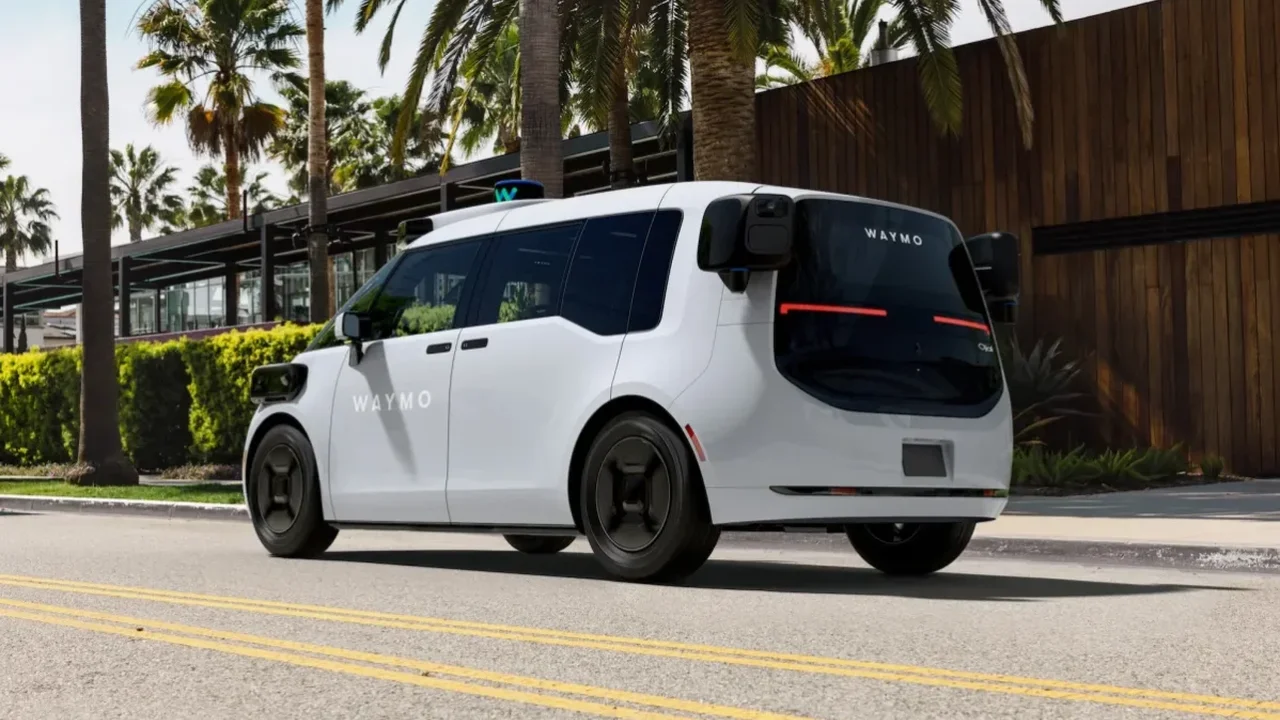
A growing share of the Texas fleet consists of the Ojai, a modified Zeekr RT minivan equipped with Waymo's sixth-generation autonomous driving system. The vehicle is designed for intensive daily use and includes an upgraded passenger interface supported by Google Gemini as an in-car assistant.
The Ojai platform is intended to help Waymo increase vehicle availability while creating a more durable format for robotaxi operations. Vehicles are prepared in Arizona, where Waymo integrates its self-driving technology before deployment.
Waymo's next wave of fleet growth may extend beyond Texas, with Florida and newer markets such as Las Vegas positioned to receive additional vehicles. As autonomous fleets become more capable and widespread, they could help reshape how cities approach on-demand, technology-led transportation.