The U.S. Army has taken another step toward practical directed-energy defense, using a high-energy laser to disable three drones in the Rio Grande Valley during the night of Aug. 25 and early Aug. 26. Officials said the aircraft were considered a threat to U.S. personnel and Customs and Border Protection agents.
The Army described the operation as its first use of the system against suspected cartel-linked drones along the southern border. Rather than relying on missiles or conventional gunfire, the laser concentrated energy on the aircraft until key components were damaged.
How the system works
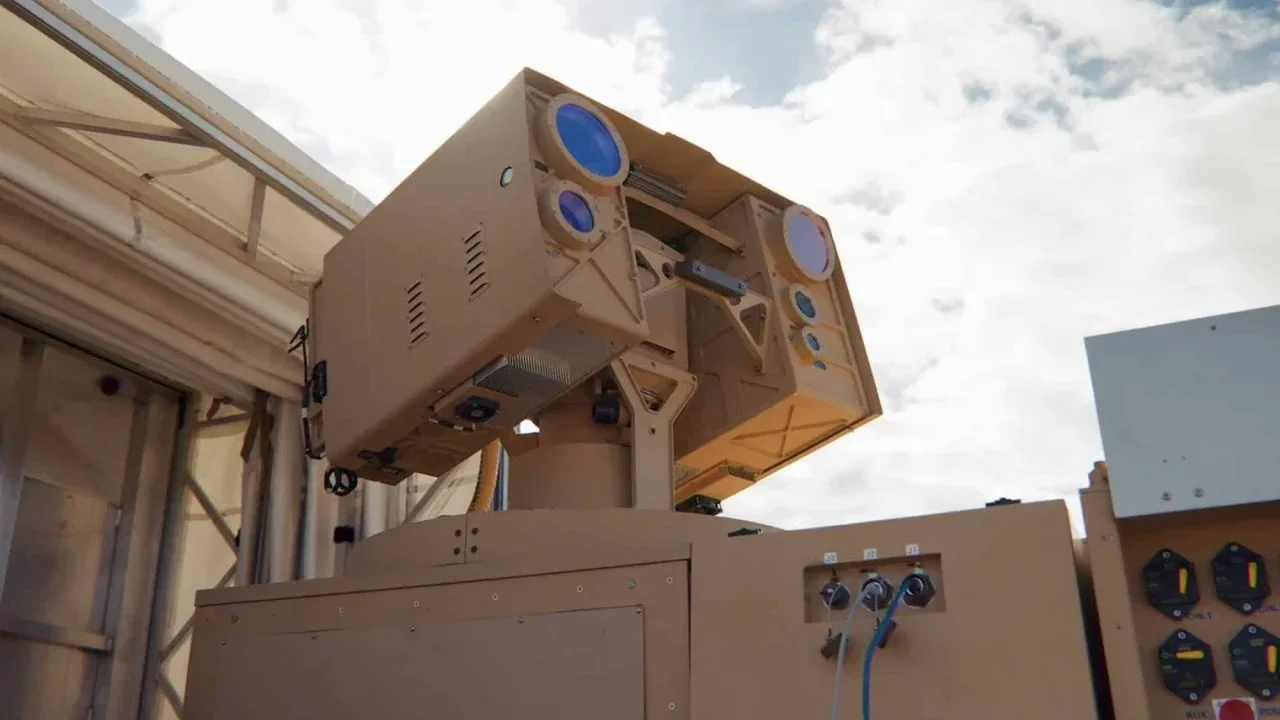
The weapon used was the Army Multi-Purpose High Energy Laser, or AMP-HEL, built around AeroVironment's LOCUST laser system. Sensors detect and track the target, then direct the beam with precision. By holding the light on a vulnerable point, the system can heat and disrupt electronics, batteries, or structural parts.
According to the Army, the current prototypes are mounted on tactical vehicles and include radar plus command-and-control tools. The service has been testing these systems for years as drone threats become more common and more affordable than traditional interceptors.
That cost gap is one of the main reasons lasers are drawing attention: a drone can be inexpensive, while a missile launch can be far more costly. A laser, by contrast, can keep firing as long as power and cooling remain available, making repeated engagements far more efficient.
At the same time, the technology still depends on clear identification, stable tracking, and suitable weather conditions. Fog, storms, airborne particles, and distance can reduce performance, which is why operational coordination remains essential.
For the Army, the latest engagement marks a meaningful milestone in the shift from testing to real-world use. As directed-energy systems mature, they may become a standard layer in future air defense, especially against small unmanned aircraft.
This development suggests a future where precision energy systems play a larger role in protecting borders, infrastructure, and mobile forces with speed and efficiency.