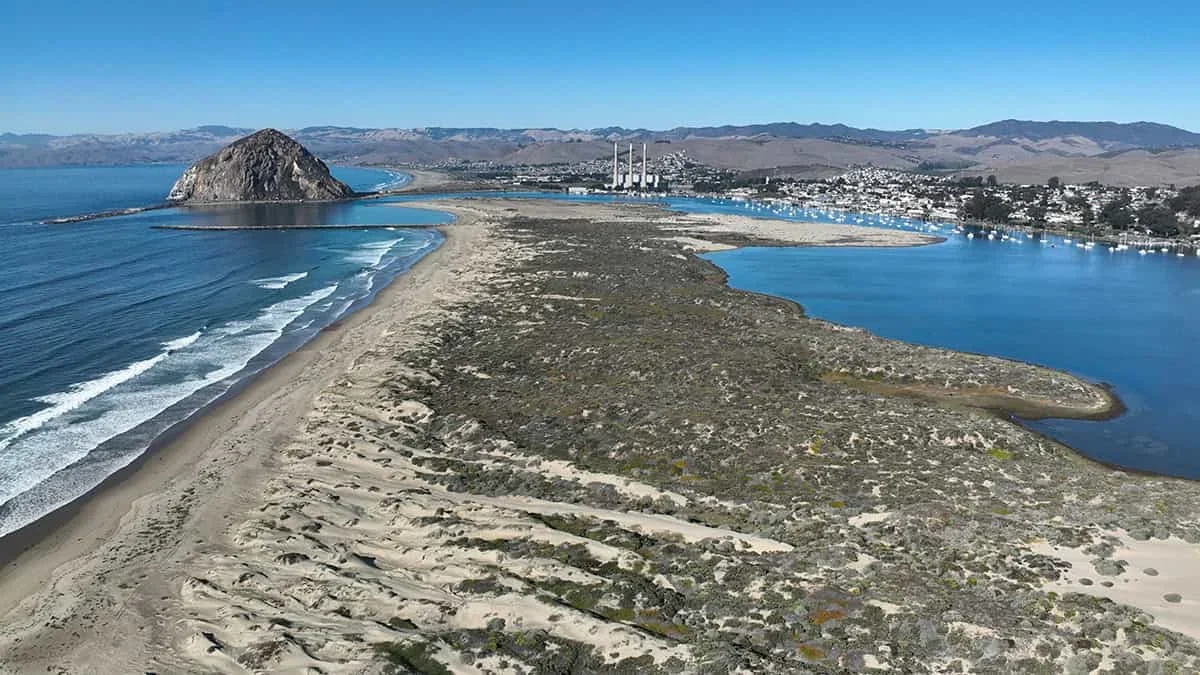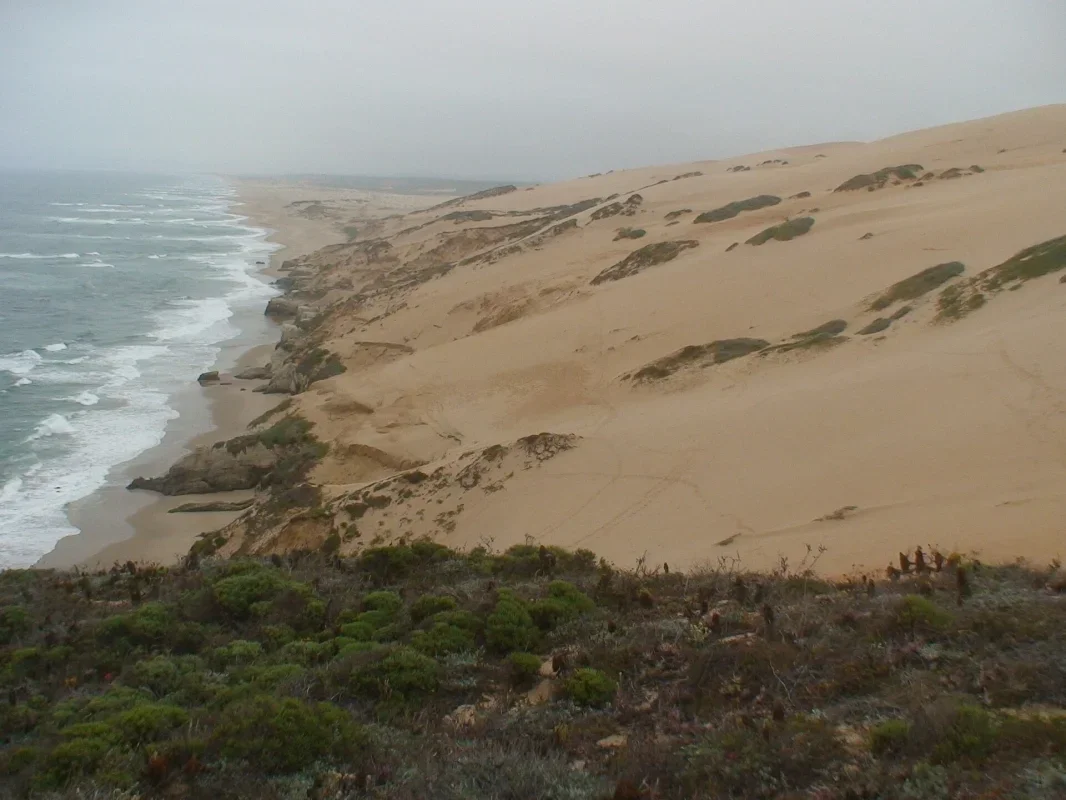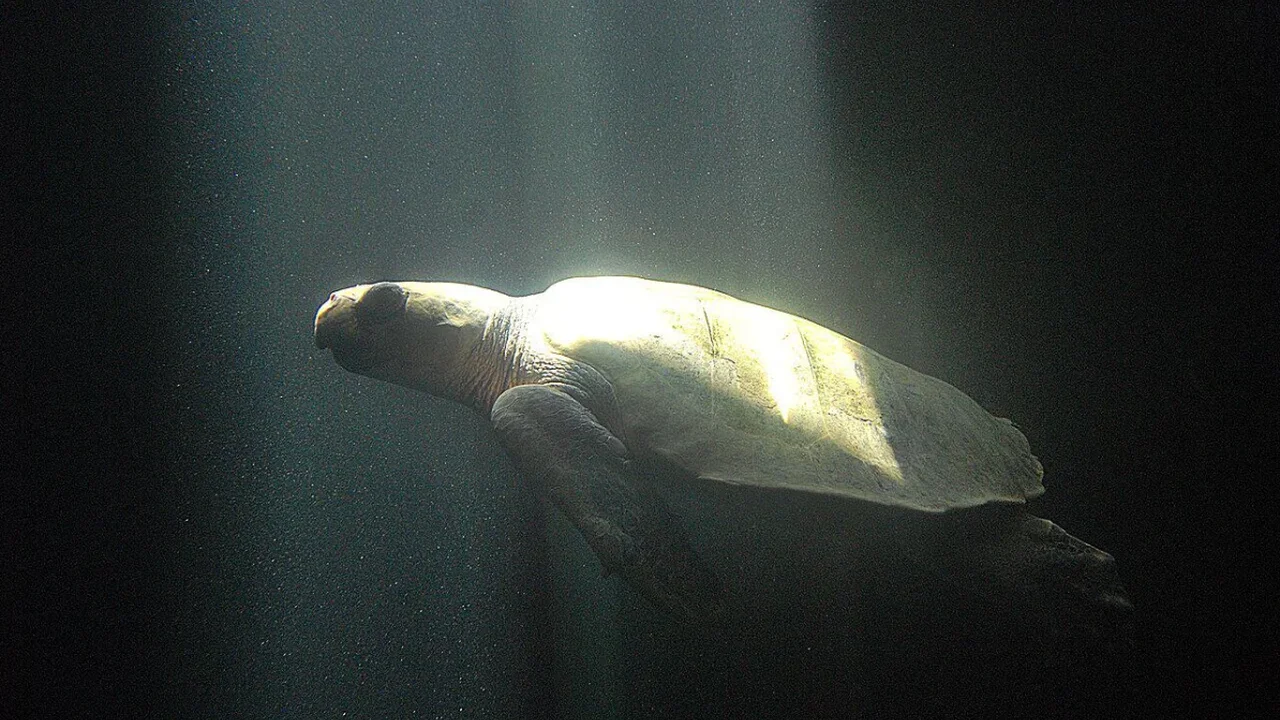
Southern California's coastline has entered marine biology records with the first documented sea turtle nesting events on the U.S. West Coast. Within three days, two olive ridley sea turtles created nests on beaches near Seal Beach and Huntington Beach.
The first nesting was recorded on September 16, followed by a second on September 19. Initial observations considered whether one turtle had returned twice, but shell characteristics and natural markings indicated that the nests were made by two different individuals.
A New Signal From the Pacific
Olive ridley sea turtles usually nest on tropical shores in Mexico and Central America. Their appearance in California may reflect changing conditions across the Pacific, including warmer coastal waters, seasonal ocean patterns and navigation behavior.
NOAA specialists are monitoring the sites while researchers assess whether the events represent rare individual movements or the early stages of a broader shift in nesting range. Scientific models have suggested that suitable nesting habitats for some sea turtle populations could gradually move toward cooler latitudes as ocean conditions evolve.
Temperature also plays a major role in sea turtle reproduction. The warmth of nesting sand influences hatchling sex, with higher temperatures generally producing more females. In this context, cooler coastal environments could become increasingly relevant for maintaining balanced breeding conditions in future generations.
Monitoring a Potential New Habitat
The nests are expected to incubate for approximately 45 to 60 days. Wildlife teams have established protected zones around both locations to support natural incubation and limit disturbance.
California is not yet considered an established nesting area for olive ridleys. However, because these turtles can lay multiple clutches during a breeding season, continued observation may reveal whether more nesting activity develops along the coast.
If similar events recur, coastal management could incorporate seasonal monitoring, habitat protection and lower-impact beach practices into its conservation planning. These first nests offer a valuable opportunity to understand how marine species may adapt their movements as Pacific ecosystems continue to change.
The next nesting seasons may show whether California is becoming a meaningful new chapter in the olive ridley's Pacific journey.