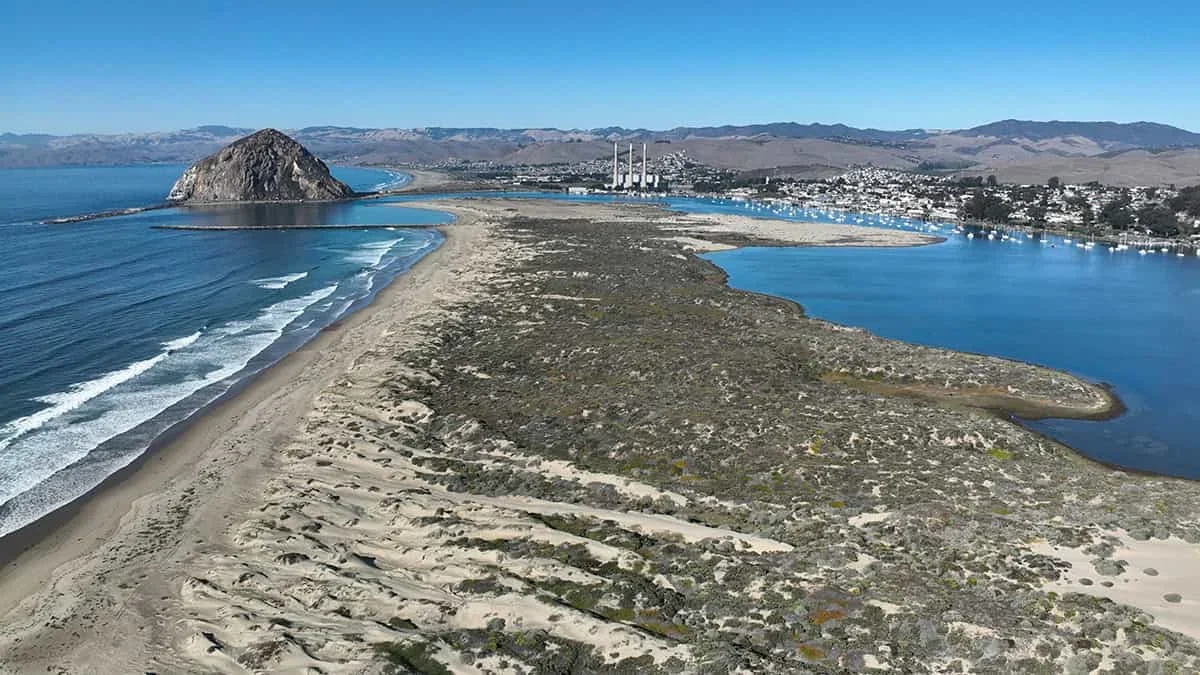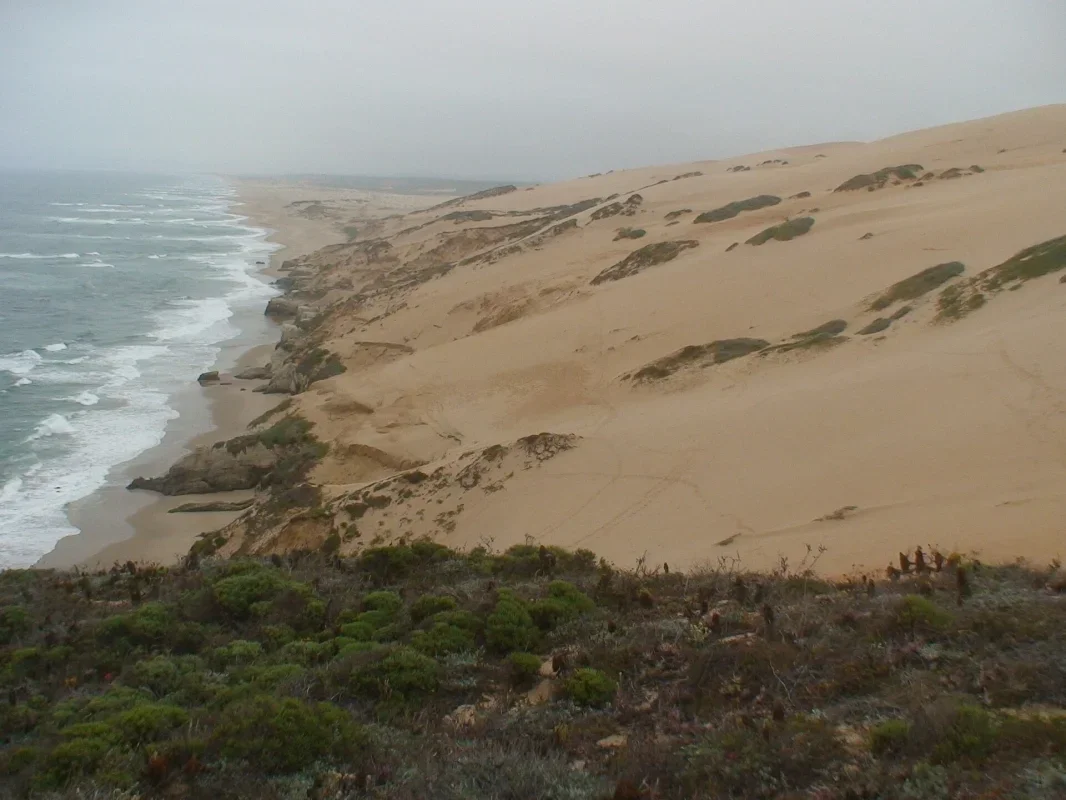
California's coastal dunes have been steadily receding for more than 150 years, with a new study estimating a 60% decline since the mid-1800s. The loss amounts to about 442 square kilometers, underscoring how much of the state's natural shoreline buffer has already disappeared.
Why dunes matter
Coastal dunes do far more than shape the landscape. They help absorb wave energy, reduce flooding, and create a protective barrier against storms and rising seas. They also support a wide range of species, including native plants, insects, birds, and small mammals. Among them are protected shorebirds such as the least tern and the western snowy plover.
To map the change, researchers compared historical records with modern dune locations using aerial imagery, lidar data, machine learning, and manual analysis. Their findings show that many dune systems have been fragmented, making them less connected and less effective as habitat.
The main reasons for the decline are familiar to coastal regions: development, roads, erosion, and invasive grasses that crowd out native vegetation and complicate restoration. In a few areas, dunes expanded slightly as sand accumulated on the seaward side, adding 15.2 square kilometers since the 1850s. Still, those gains remain far smaller than the overall losses.
The study, published in Earth's Future, suggests that protecting remaining dunes and restoring damaged areas could strengthen California's natural defense system. As sea levels rise and winter storms intensify, healthy dune landscapes may become even more valuable for coastal resilience. The future of the shoreline may depend on how quickly these ecosystems are preserved and rebuilt.