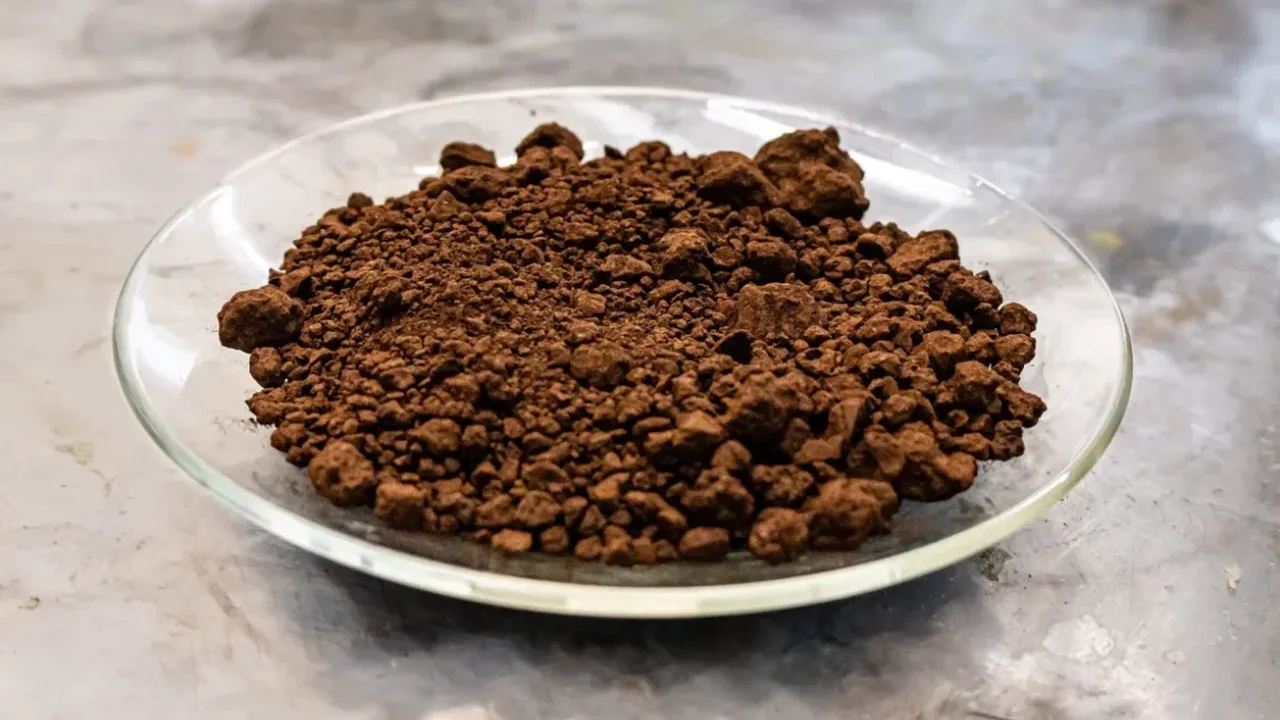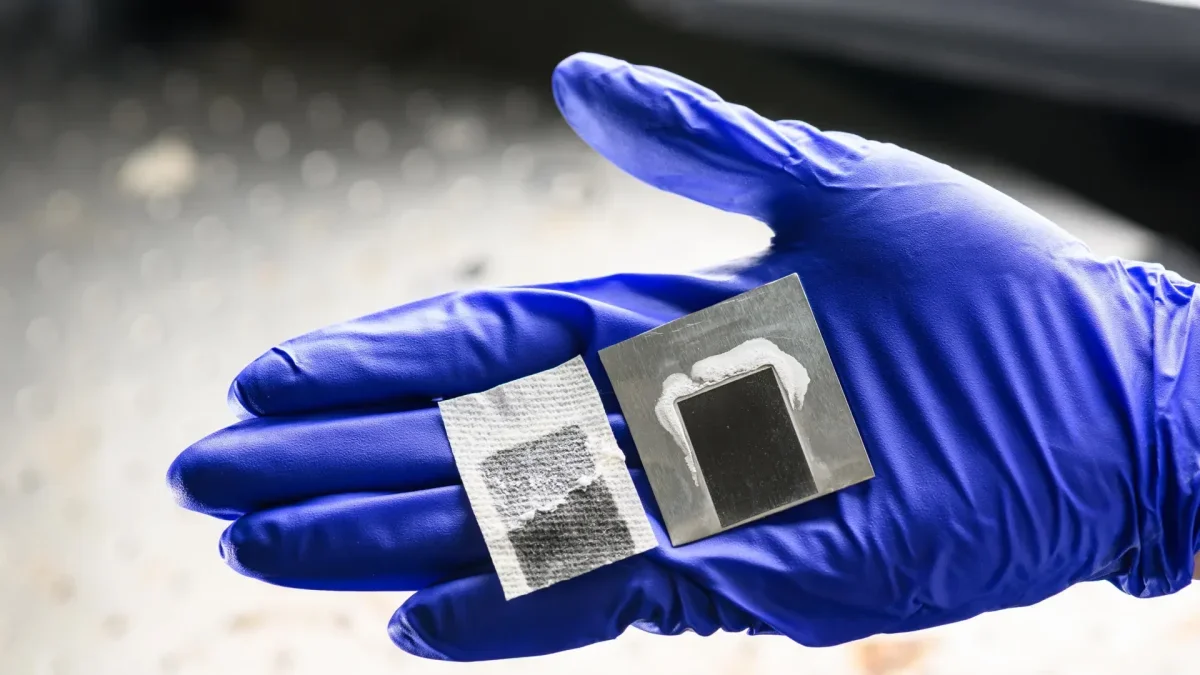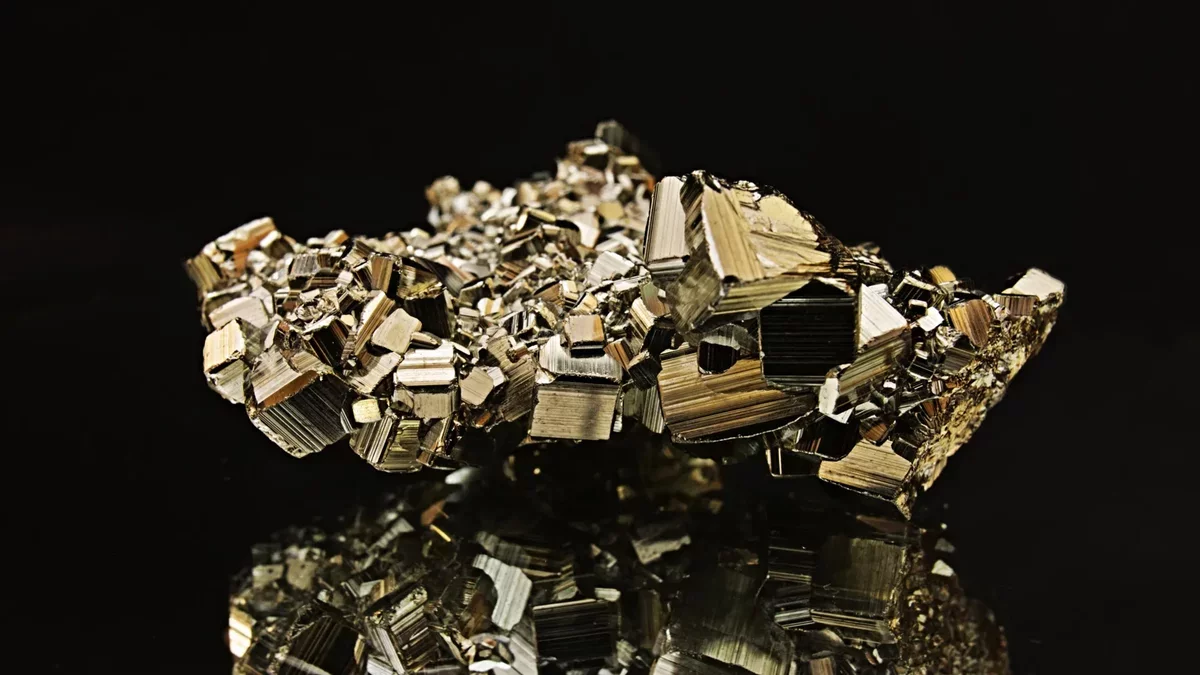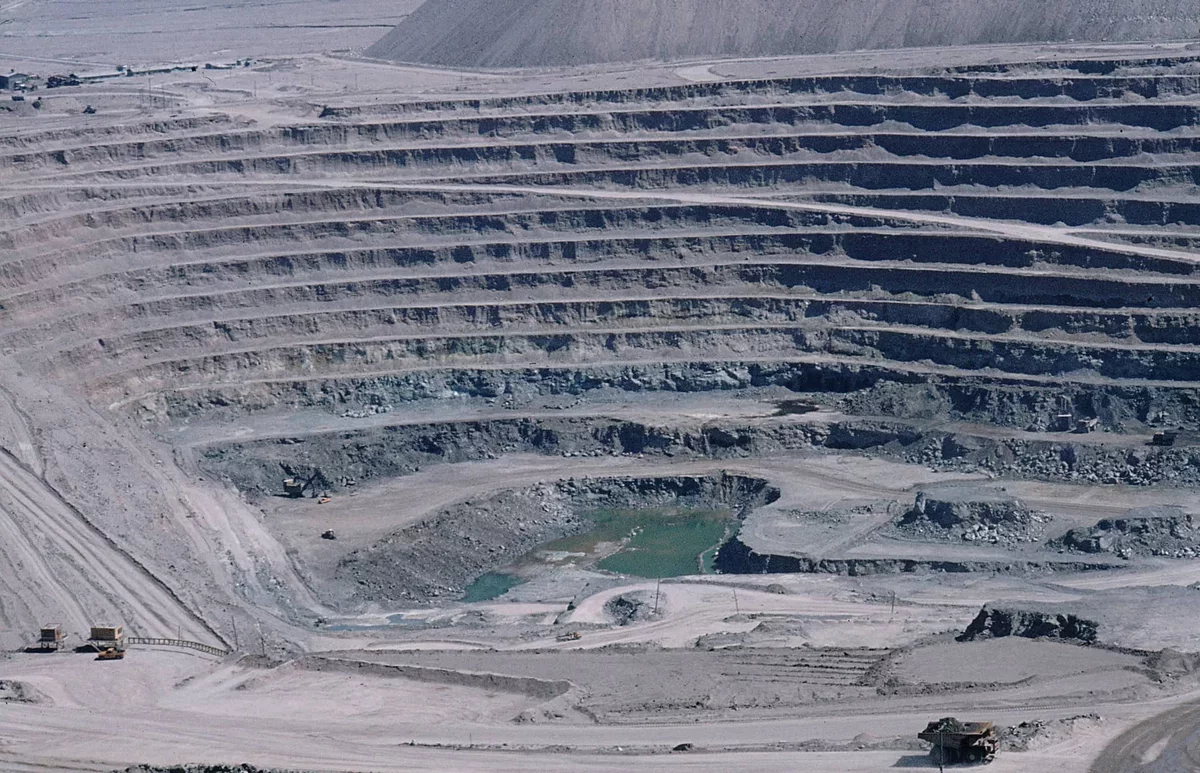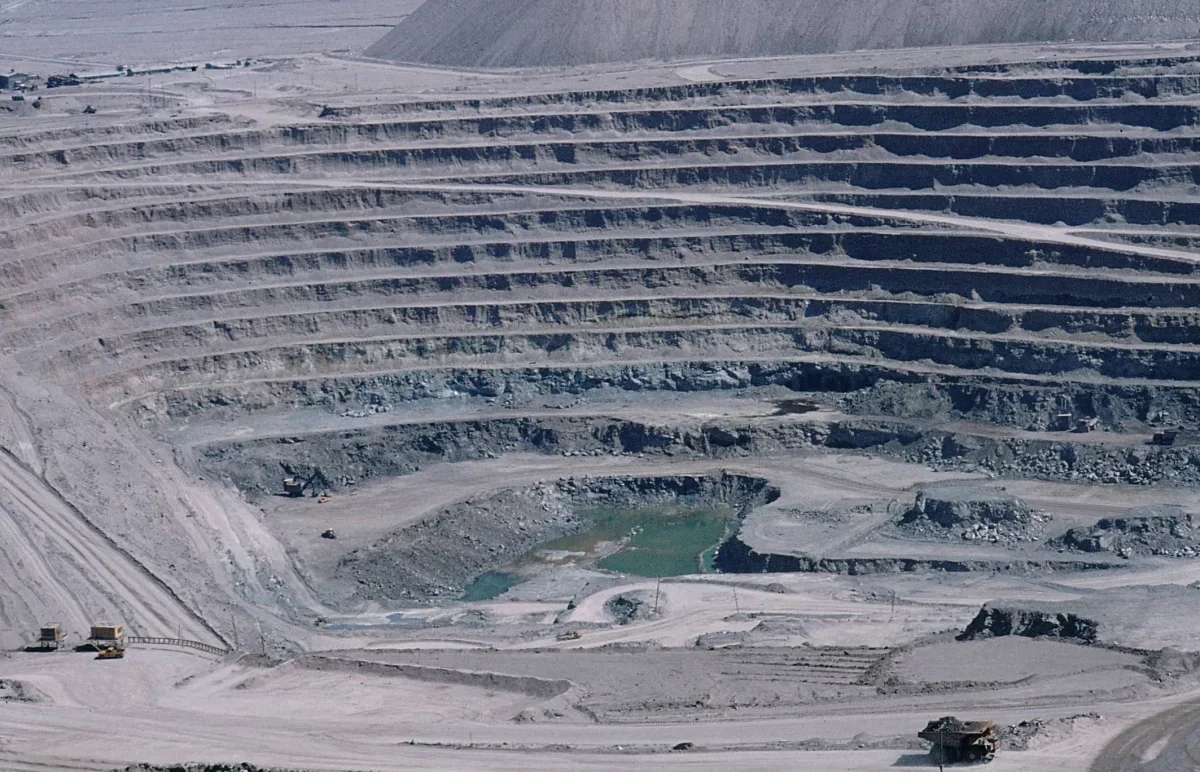
The United States has a hidden wealth in its mining waste, containing a plethora of critical minerals and rare earth elements essential for advancing clean energy technologies. While most U.S. metal mines primarily extract copper, iron, or gold, a significant portion of the mined material consists of valuable byproducts that could reshape the energy landscape.
According to a groundbreaking study by Elizabeth Holley, a mining engineer at the Colorado School of Mines, U.S. mining waste is rich in lithium, manganese, cobalt, and other rare metals. For instance, the lithium found in just one year of mine waste could power up to 10 million electric vehicles (EVs), while the manganese available could support 99 million EVs. This revelation highlights the potential to drastically reduce U.S. reliance on imported minerals.
Transforming Waste into Resources
Holley and her research team analyzed data from 54 active U.S. metal mines, mapping the chemical composition of the ores extracted. Their findings indicate that the U.S. is already mining nearly all the critical minerals it requires, including cobalt, lithium, and gallium. However, much of this potential is lost as these valuable metals are discarded in tailings piles.
Holley emphasizes the need for innovation in mining practices, stating, "It's like getting salt out of bread dough; we must enhance our research and policies to make recovery economically viable." The study suggests that even a modest recovery of byproducts could significantly decrease the nation's import dependency.
The Importance of Resource Recovery
The implications of these findings extend beyond just battery production for electric cars. Critical minerals are vital for a range of technologies, including satellites, solar panels, and medical devices. The current U.S. dependence on foreign sources for these materials poses risks to national security, as geopolitical tensions rise over resource control.
As Holley notes, rethinking mining strategies could stabilize supply chains without the need for new mines, thus minimizing environmental impact. "It would be better to maximize the yield from what we already mine," she asserts.
Innovative Solutions for Future Mining
While extracting critical minerals from mining waste presents challenges, the potential rewards are substantial. Minerals like gallium and tellurium are often found in trace amounts and require advanced extraction techniques. However, the opportunity to recover these valuable resources is significant, with some mines already showing promise in their mineral-rich byproducts.
Moreover, recovering these minerals can lead to a decrease in toxic waste, as the remaining tailings become less hazardous. Holley and her colleagues advocate for a resource-efficient approach that not only reduces waste but also mitigates geopolitical risks associated with mineral imports.
Charting a Sustainable Path Forward
To capitalize on this potential, Holley calls for a collaborative effort involving government support and industry incentives. The Department of Energy has initiated pilot programs for byproduct recovery, but a more coordinated approach is necessary to streamline funding and regulatory processes.
The overarching message is clear: the U.S. does not face a geological limitation; the minerals are present, but the methods to harness them effectively are lacking. Unlocking the byproducts from existing mining operations could significantly bolster the nation's resource independence and pave the way for a sustainable energy future.