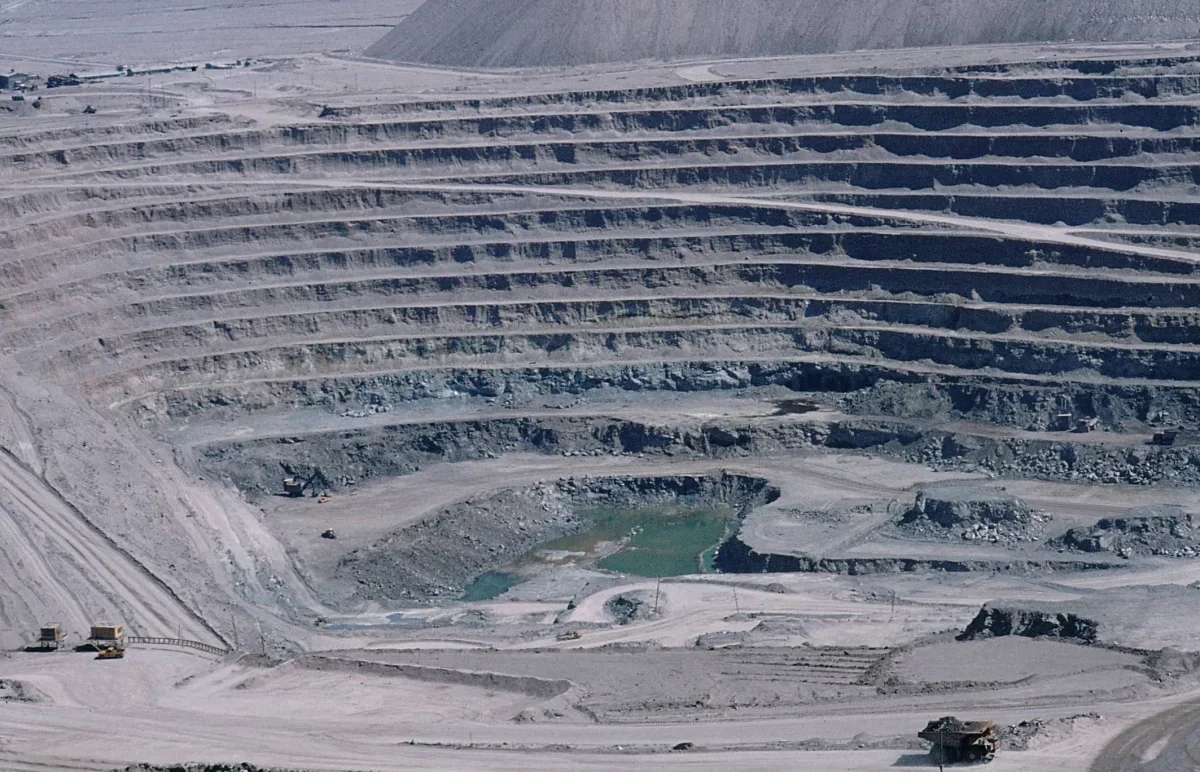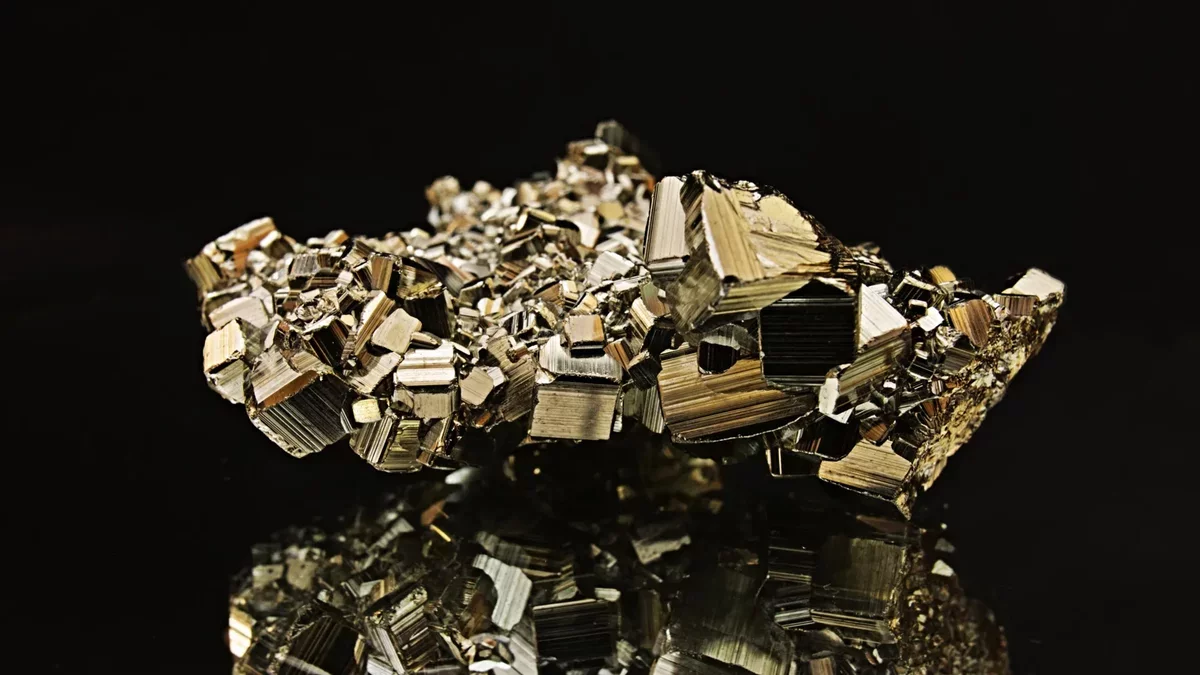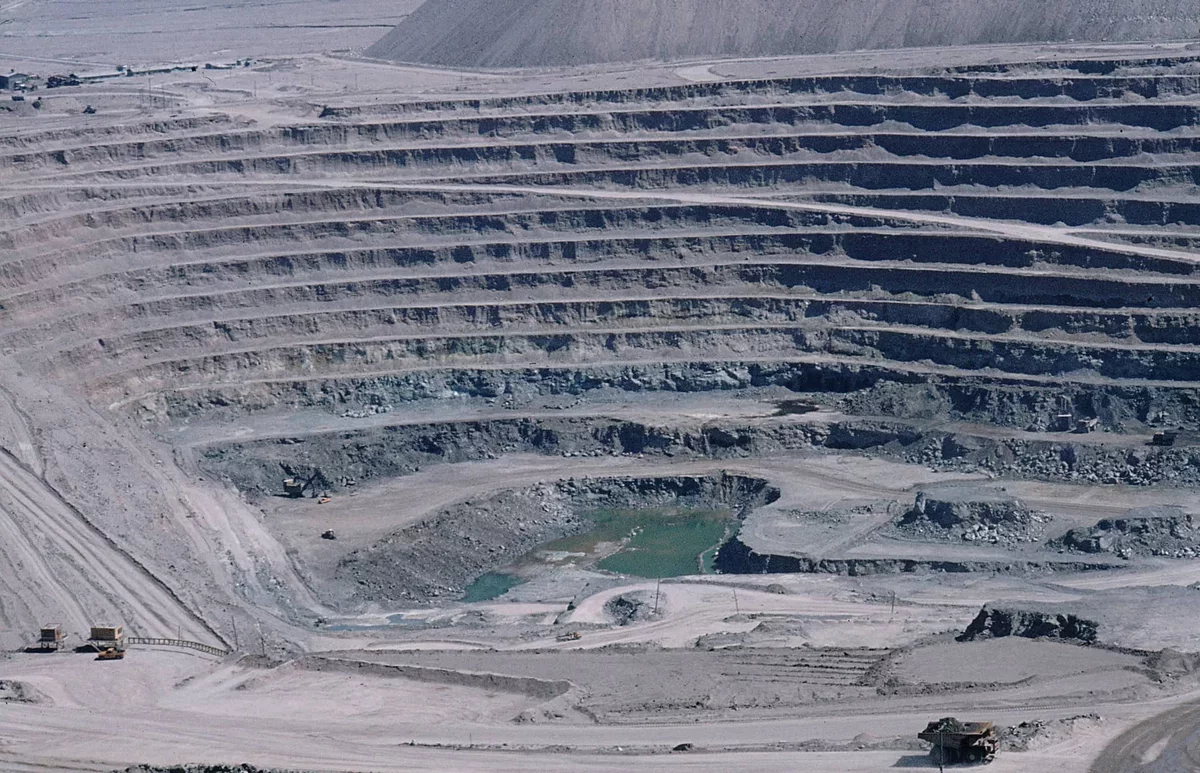
In the United States, many metal mines primarily target resources such as copper, iron, and occasionally gold. However, a significant portion of the extracted ore consists of other vital materials that could be instrumental in advancing our clean energy initiatives.
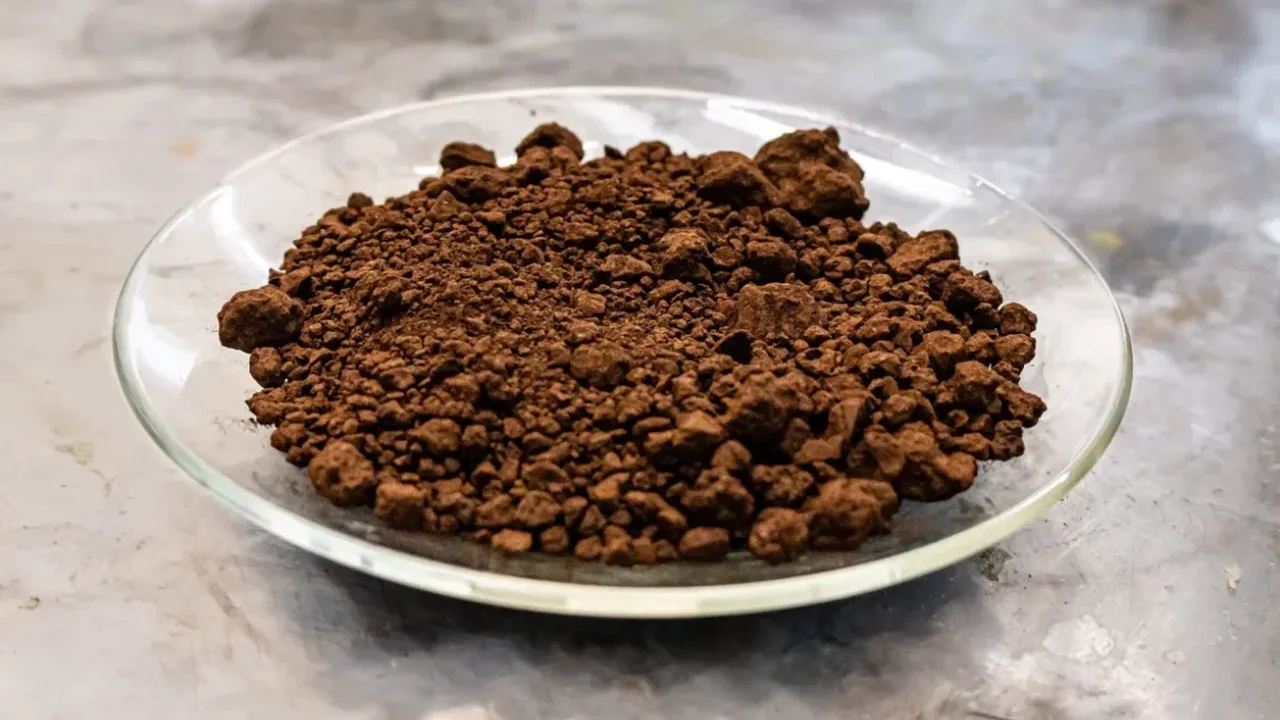
According to a recent study led by Elizabeth Holley, a mining engineer at the Colorado School of Mines, the byproducts of U.S. mining waste are rich in essential minerals. For instance, a single year's worth of mine waste can yield enough lithium to power 10 million electric vehicles (EVs). Additionally, the waste contains sufficient manganese for 99 million EVs, alongside cobalt, germanium, and other rare metals that could drastically reduce U.S. imports.
Unlocking the Waste Pile Goldmine
Holley's research involved analyzing data from 54 active U.S. metal mines, mapping the composition of ores to uncover the hidden treasures within. The findings reveal that the U.S. already extracts nearly every critical mineral required for modern technology, including cobalt, lithium, gallium, and rare earths. Unfortunately, most of these valuable resources are discarded as waste.
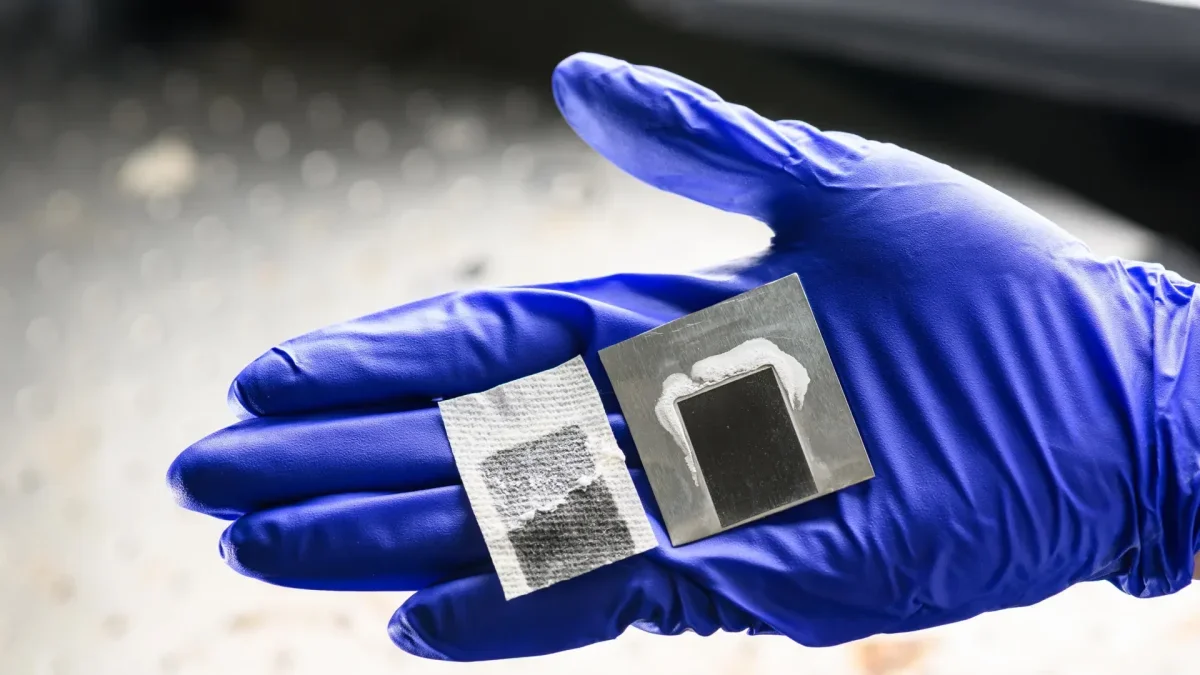
Holley emphasizes the need for innovative research and policy changes to economically recover these critical minerals. "It's akin to extracting salt from bread dough," she explains, highlighting the necessity for advancements in mining processes.
The Importance of Recovery
The implications of this research extend beyond electric vehicles and wind turbines. Critical minerals are integral to satellites, solar panels, fighter jets, and medical devices. Currently, the U.S. is heavily reliant on a fragile global supply chain, importing lithium from Chile and Australia, cobalt from the Democratic Republic of Congo, and rare earths, predominantly controlled by China.
This reliance poses significant geopolitical risks. Holley's findings suggest that by improving recovery methods, the U.S. could stabilize its supply chains without the need for new mines. "Maximizing what we already extract would be a more sustainable approach," she asserts.
Transforming Tailings into Technology
While the extraction of critical minerals from mining waste presents challenges, the potential rewards are substantial. Minerals like gallium and tellurium, found in trace amounts, require advanced extraction techniques and additional processing steps, which can be costly. However, the economic and environmental benefits of reducing waste and enhancing resource efficiency are compelling.
Holley's team identified significant germanium potential at Alaska's Red Dog mine and nickel-rich byproducts in Montana. Even minimal recovery rates could significantly diminish imports, while also reducing the environmental impact of mining operations.
Looking Forward
Holley describes the recovery of these byproducts as "low-hanging fruit," but emphasizes the need for political will and investment in new processing technologies. With the Department of Energy initiating pilot programs for byproduct recovery, there is hope for a more resource-efficient mining future.
Ultimately, the U.S. faces a geology problem, not a mineral shortage. By unlocking the potential of byproducts already present in our mines, we can pave the way for a more sustainable and self-sufficient future in critical mineral production.