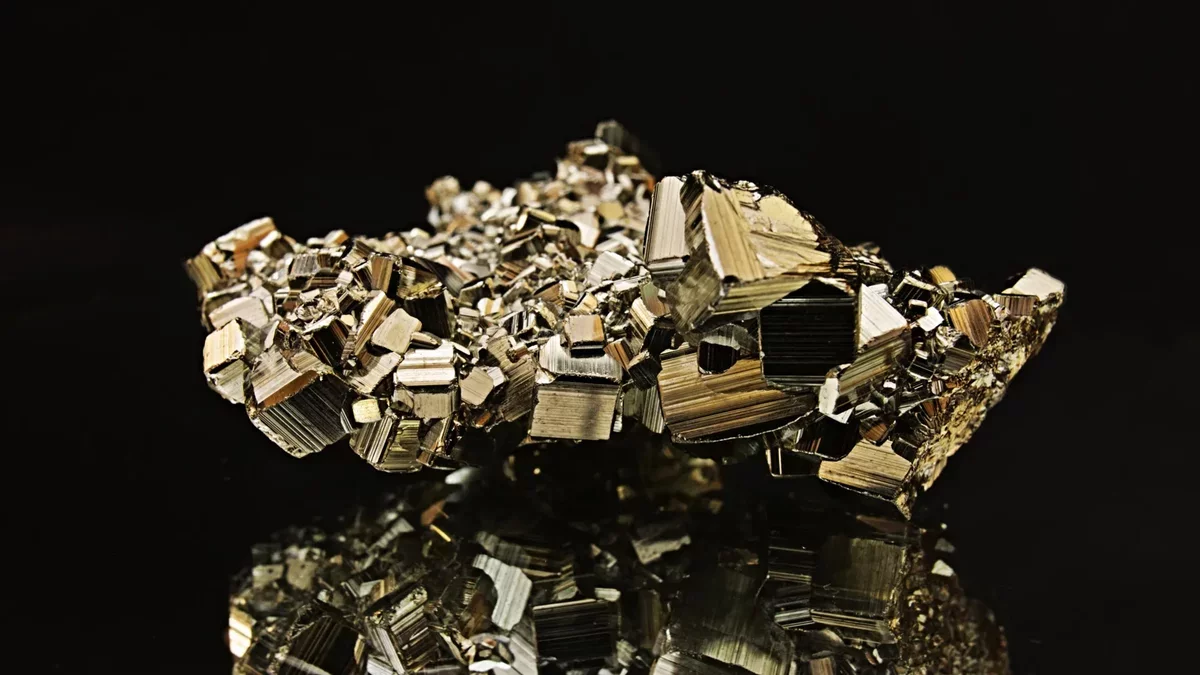
Recent research has revealed a surprising connection between lithium and pyrite, a mineral often dismissed as "fool's gold." This discovery, led by a team from West Virginia University, highlights the potential of unconventional sources for lithium extraction, crucial for the burgeoning clean energy sector.
The Growing Demand for Lithium
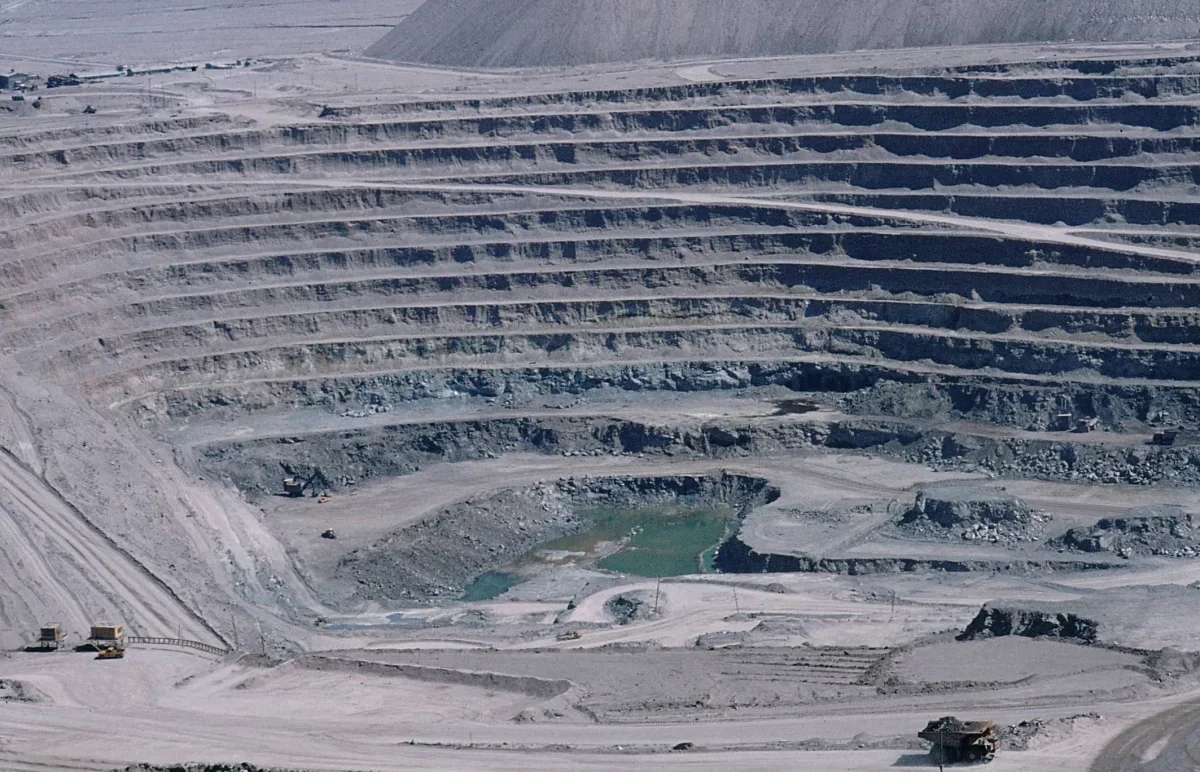
As the global focus shifts towards electrification and renewable energy solutions, the demand for lithium has skyrocketed. Traditionally, lithium is sourced from pegmatites and volcanic clays, which are well-established but present challenges in terms of cost and environmental sustainability.
To tackle these issues, scientists are exploring innovative methods of lithium recovery from previously overlooked materials, such as mine tailings and drill cuttings. These byproducts, often considered waste, may still harbor valuable elements that were not economically viable to extract in the past.
Unexpected Findings in Ancient Sediments
The research team focused on sedimentary rocks from the Appalachian basin, specifically analyzing 15 samples of middle-Devonian shale, which dates back approximately 380 million years. This shale, known for its fine-grained structure and organic content, can also contain minerals like pyrite.
In a surprising twist, the researchers discovered substantial amounts of lithium embedded within the pyrite. Shailee Bhattacharya, a doctoral student and sedimentary geochemist, noted that this finding was unprecedented, as little prior research had linked lithium to sulfur-rich minerals like pyrite.
Potential for New Lithium Resources
This discovery opens the door to the possibility that organic-rich shale could be a significant source of lithium, a notion previously unrecognized. Given the widespread nature of shale formations, this could have profound implications for future lithium supply.
While the research is still in its nascent stages, and results are based on a limited sample size, the implications are promising. If lithium can be successfully extracted from shale and other industrial remnants, it could minimize the need for new mining operations, thus reducing environmental impact while bolstering the advancement of clean energy technologies.
Bhattacharya emphasized the potential for sustainable energy solutions that do not heavily rely on depleting natural resources, stating, "We can talk about sustainable energy without using a lot of energy resources."