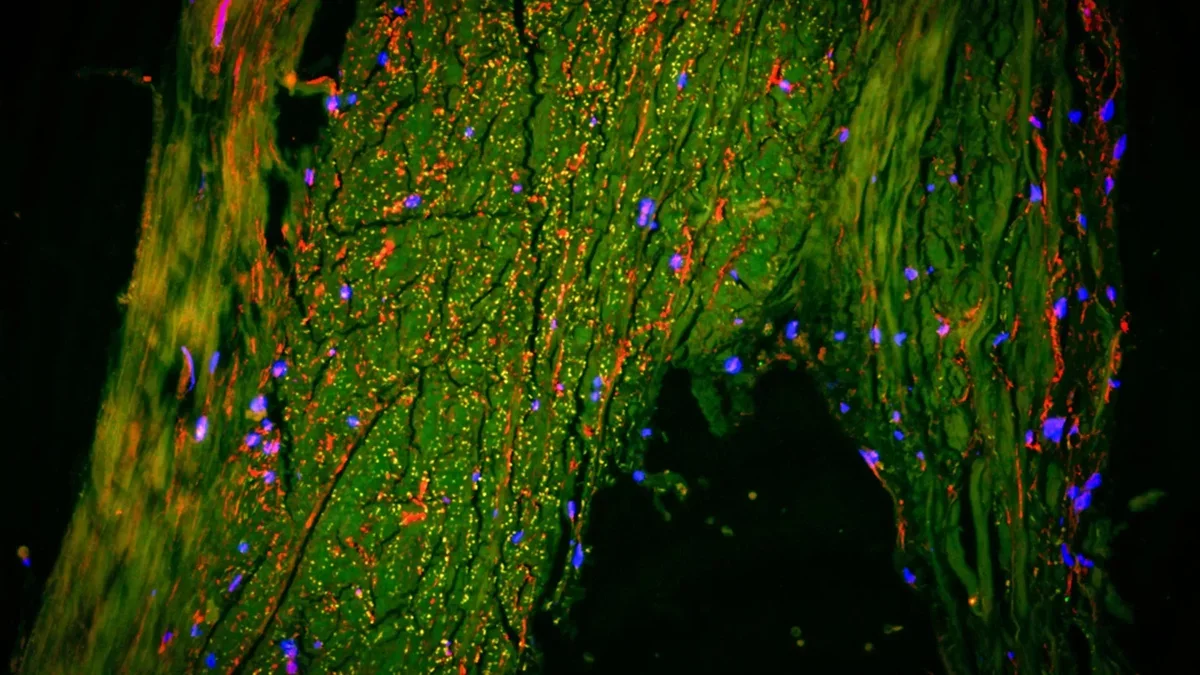
A groundbreaking study published in iScience by researchers from the Medical University of South Carolina (MUSC) has unveiled a previously unknown control point in the brain's fluid management system. This discovery centers around the middle meningeal artery (MMA), which is now recognized for its crucial role in facilitating the brain's clearance of fluids and waste.
Revolutionary MRI Techniques Illuminate Fluid Movement
Under the leadership of Dr. Onder Albayram, the research team utilized cutting-edge real-time MRI technology, a collaboration that stemmed from NASA's innovations in studying fluid dynamics in space. This advanced imaging allowed the researchers to observe the movement of cerebrospinal and interstitial fluids along the MMA in five healthy individuals over a six-hour period.
The findings were surprising; the fluid exhibited a slow, steady movement, contrasting sharply with the rapid flow typically associated with blood. This behavior indicated that the fluid is part of the lymphatic system rather than the circulatory system. "We observed a flow pattern that resembles drainage rather than the dynamic flow of blood, confirming that this vessel contributes to the brain's waste removal process," noted Dr. Albayram, an associate professor in MUSC's Department of Pathology and Laboratory Medicine.
Redefining the Brain's Interaction with the Body
The protective layers surrounding the brain and spinal cord, known as the meninges, were long thought to isolate the brain from the body's immune and lymphatic systems. However, this perspective has evolved significantly over the last decade.
Dr. Albayram has dedicated years to investigating the lymphatic vessels within the meninges, proposing that these vessels serve as conduits for transporting waste away from the brain into the broader lymphatic network for elimination. Understanding the dynamics of fluid movement between the brain and the body is vital for developing enhanced strategies to combat neurological and psychiatric disorders.
Confirming the Lymphatic Pathway
In a prior study, Dr. Albayram successfully visualized these meningeal lymphatic vessels in humans, as detailed in a 2022 Nature Communications publication. The current research corroborates those findings, utilizing real-time imaging to track fluid movement within the brain's lymphatic structures.
To validate their observations, the team analyzed human brain tissue with ultra-high-resolution imaging techniques in partnership with scientists from Cornell University. This comprehensive analysis revealed that the area surrounding the MMA contains cells typically found in lymphatic vessels, responsible for waste clearance throughout the body.
The combination of imaging and tissue data confirmed that the slow-moving fluid tracked on MRI was indeed traveling through lymphatic vessels, linking the imaging results to biological evidence.
The Importance of Studying Healthy Brains
This research prioritizes the examination of healthy individuals, establishing a foundational understanding of normal brain function before investigating disease states. This baseline is crucial for identifying changes associated with conditions such as traumatic brain injury or neurodegenerative diseases.
Potential Impacts on Alzheimer's and Other Disorders
The implications of this discovery are vast, offering insights into aging, brain inflammation, injuries, Alzheimer's disease, and psychiatric disorders. Dr. Albayram aims to further explore how this drainage system operates in individuals with neurodegenerative diseases. The ultimate goal is to enhance early diagnosis, develop preventive measures, and create more effective treatments.
"A significant challenge in brain research is our incomplete understanding of healthy brain function and aging," stated Dr. Albayram. "By defining what 'normal' looks like, we can identify early disease signs and improve treatment strategies."