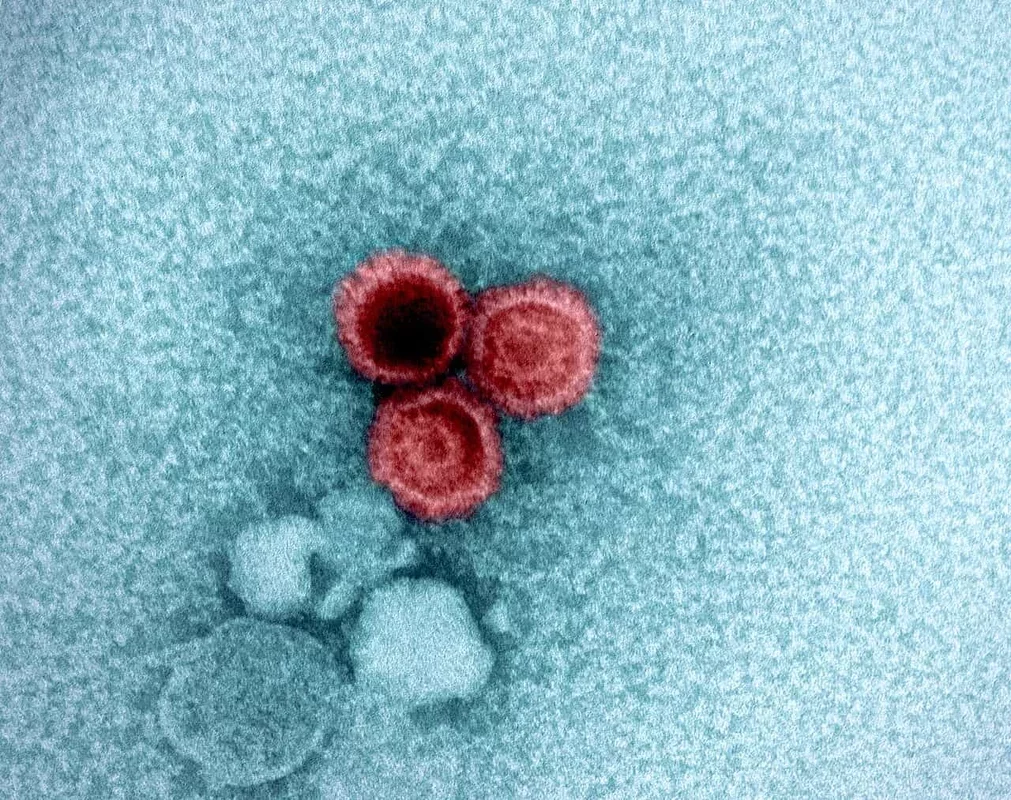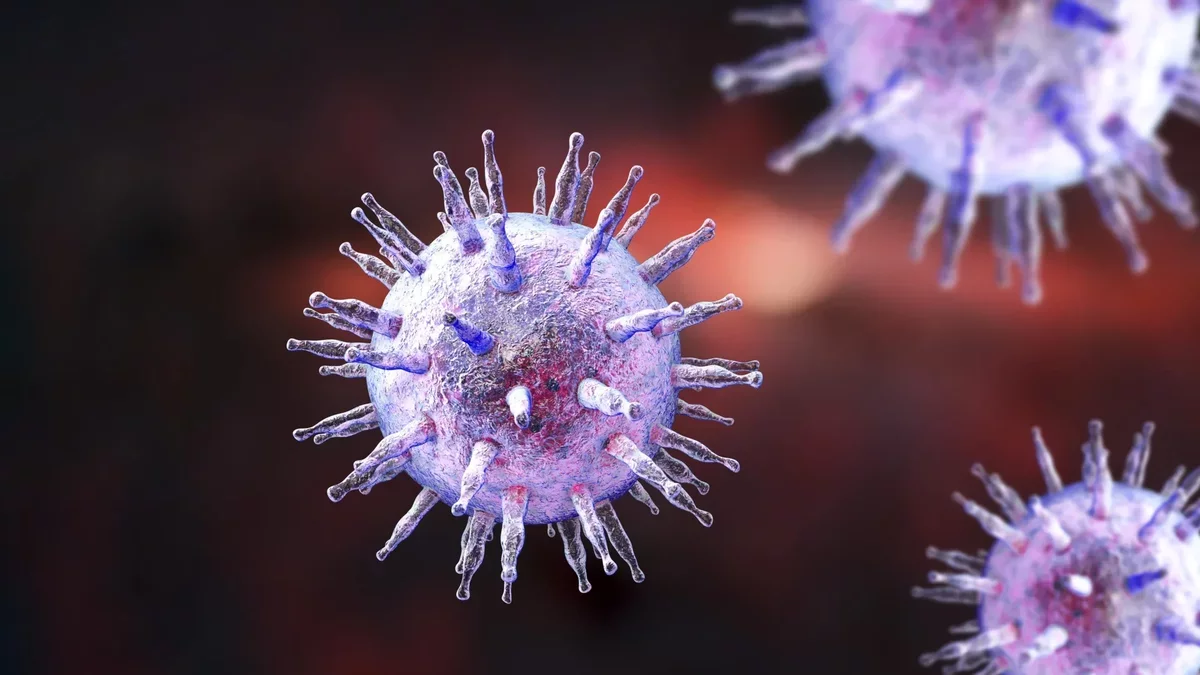
Researchers at Fred Hutch have made significant strides in combating the Epstein-Barr virus (EBV), which affects approximately 95% of the global population. Utilizing mice genetically modified to produce human antibodies, the team has developed innovative monoclonal antibodies aimed at preventing EBV from infiltrating human immune cells. Their findings, published in Cell Reports Medicine, demonstrate that one of these antibodies successfully halted infection in mice with immune systems resembling those of humans.
Dr. Andrew McGuire, a biochemist and cellular biologist at Fred Hutch, remarked on the challenges of identifying human antibodies capable of blocking EBV, stating, "Unlike many viruses, EBV can attach to nearly all of our B cells." The research team employed advanced technologies to bridge this knowledge gap, marking a pivotal advancement in the fight against one of the most prevalent viruses worldwide.
Innovative Antibody Strategy Targets EBV
One of the primary challenges in developing effective treatments has been the need to find antibodies that can inhibit EBV without provoking an immune response against the therapy itself. To tackle this, the researchers concentrated on two critical viral proteins: gp350, which facilitates the virus's attachment to human cells, and gp42, which enables the virus to fuse with and enter those cells.
Through their specialized mouse model, the scientists identified two monoclonal antibodies that specifically target gp350 and eight that focus on gp42. Crystal Chhan, a pathobiology PhD student in the McGuire Lab, expressed excitement over the discovery, noting, "We not only identified vital antibodies against EBV but also validated a novel approach for discovering protective antibodies against various pathogens."
Further investigations, supported by Fred Hutch's Antibody Tech Core, uncovered specific vulnerabilities within the virus that could inform future vaccine development. In subsequent tests, one antibody targeting gp42 completely blocked EBV infection, while another aimed at gp350 provided partial protection.
Transformative Potential for Transplant Patients
Each year, over 128,000 individuals in the U.S. undergo solid organ or bone marrow transplants, often necessitating immunosuppressive drugs that can allow EBV to reactivate or spread unchecked. Currently, there are no targeted therapies available to prevent this issue. Post-transplant lymphoproliferative disorders (PTLD), frequently linked to uncontrolled EBV infection, pose significant risks to these patients.
Dr. Rachel Bender Ignacio, an infectious disease physician at Fred Hutch and the University of Washington School of Medicine, emphasized the importance of preventing EBV viremia, stating, "This could significantly reduce PTLD incidence and enhance patient outcomes." Children undergoing transplants may be particularly susceptible, as many have not yet encountered EBV.
A Vision for Preventive Antibody Therapy
The research team envisions a future where these monoclonal antibodies could be administered as an infusion to prevent EBV infection or reactivation, particularly in high-risk populations. By intervening early, such therapies could mitigate PTLD and other complications.
Fred Hutch has initiated intellectual property claims related to these antibodies, with McGuire and Chhan collaborating with partners to advance the research toward clinical application. The next phases may involve safety trials in healthy adults, leading to clinical studies in at-risk patients. McGuire highlighted the momentum behind this discovery, stating, "This represents a significant step forward for both the scientific community and patients facing serious risks from this virus."