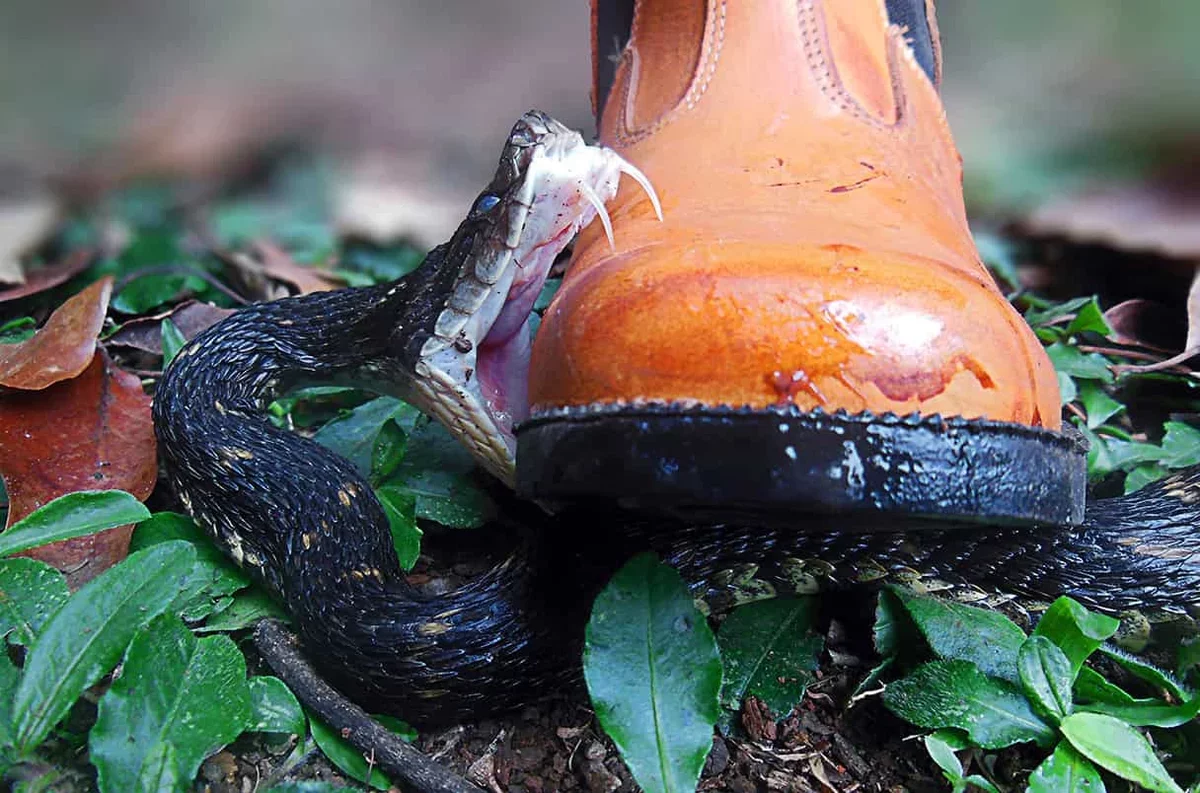
In a groundbreaking study, biologist João Miguel Alves-Nunes undertook an extraordinary endeavor by stepping on snakes over 3,500 times to investigate their defensive behaviors. This research focused on the Bothrops jararaca, a venomous pit viper prevalent in South America, known for its aggressive nature and potent venom that can lead to severe medical complications.
Alves-Nunes aimed to uncover the triggers of the jararaca's defensive behavior. By exposing himself to various situations, including intentionally provoking the snakes, he sought to determine why some snakes exhibit aggression while others remain docile. His approach involved careful, gentle contact to ensure the snakes were not harmed.
The findings revealed that factors such as the snake's size, sex, and life stage, along with environmental conditions like temperature and time of day, significantly influenced their likelihood to bite. Contrary to local beliefs that jararacas only bite when stepped on, the research highlighted that smaller snakes, particularly young females, were more likely to exhibit defensive biting behavior.
Understanding Snakebites
Globally, snakebites are a major health concern, with the World Health Organization classifying them as a high-priority neglected tropical disease. While past research concentrated on venom composition and antivenom development, this study shifts the focus toward understanding snake behavior, which is crucial for effective prevention strategies.
Conducted with 116 snakes under controlled conditions, the study simulated human encounters by stepping on various parts of the snakes' bodies while wearing protective boots. Remarkably, despite the extensive testing, Alves-Nunes was never bitten by a jararaca, although he did experience a rattlesnake bite during training.
The results indicated that warmer temperatures heightened the likelihood of female snakes biting, while males were less aggressive at night. Additionally, contact with the snake's head significantly increased the chance of a bite compared to other body regions. This aligns with epidemiological data showing higher snakebite incidents in warmer months and active human environments.
By understanding these ecological and behavioral influences, public health initiatives can better target antivenom distribution and awareness campaigns in high-risk areas, potentially reducing the impact of snakebites.
This research not only sheds light on the jararaca's behavior but also emphasizes the need for further studies on other venomous species to enhance safety measures. As we gain deeper insights into snake behavior, the potential for innovative prevention strategies grows, paving the way for a safer coexistence with these fascinating creatures.