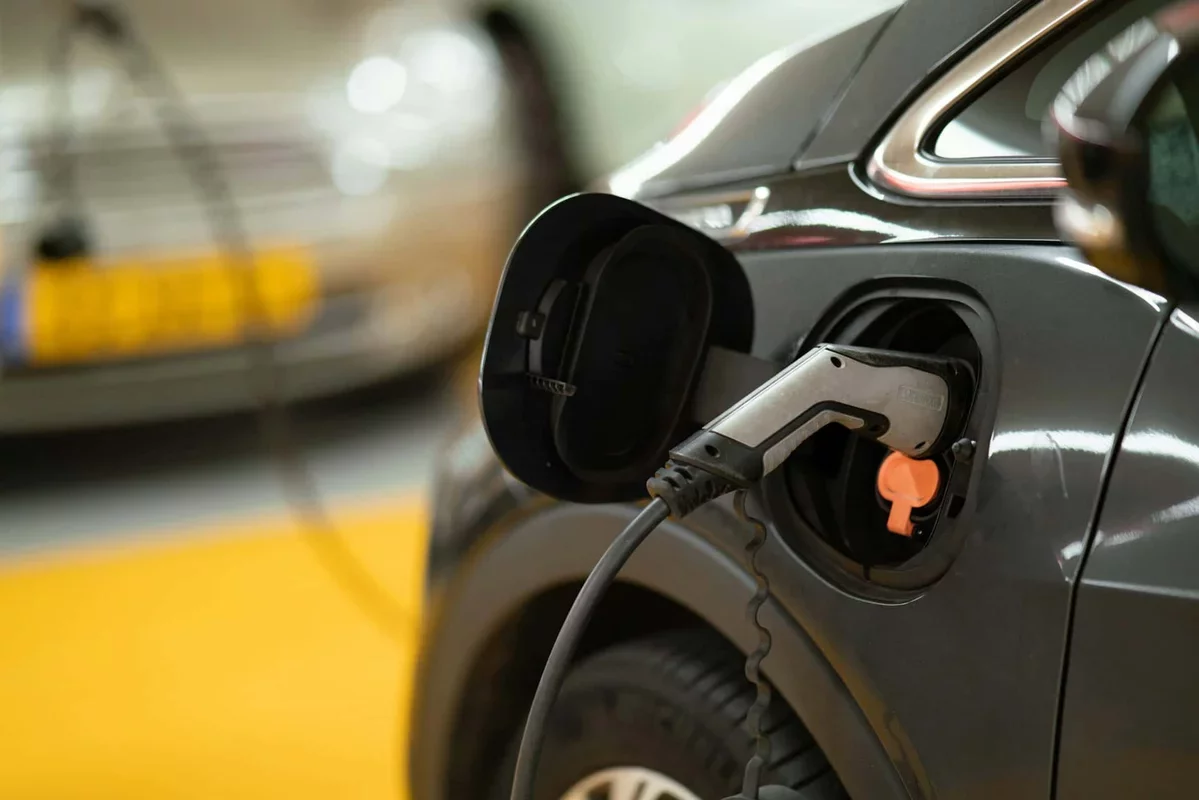
Electric vehicles (EVs) are increasingly becoming more than just a means of transportation; they hold the potential to transform how we manage energy consumption. As the adoption of EVs rises, their large batteries can contribute to the electrical grid, especially during peak demand periods. This innovative approach, known as vehicle-to-grid (V2G), allows EVs to send energy back to the grid, creating a network of backup power across urban areas.
When demand for electricity surges in the evening as people return home and plug in their vehicles, V2G technology can help alleviate stress on the grid. By charging during off-peak hours and discharging energy back to the grid when needed, EVs can play a crucial role in stabilizing energy supply. However, a recent study emphasizes that to fully leverage this potential, significant infrastructure upgrades, such as new transformers and transmission lines, are essential.
Ziyou Song, an energy systems engineer at the University of Michigan, highlights that while V2G is beneficial, it cannot single-handedly address the growing demand from numerous EVs. The study focused on the San Francisco Bay Area, modeling future scenarios of EV and solar power adoption. The findings suggest that proactive upgrades to the power grid are the most cost-effective strategy to accommodate these changes, rather than reactive measures taken later.
As more EVs connect to the grid, they can provide backup power, ensuring a stable supply without overloading the system. This not only enhances grid resilience but also supports the integration of renewable energy sources, addressing the intermittency challenge posed by solar and wind energy.
Furthermore, V2G technology could transform EV ownership from a cost burden into a potential income source. By participating in V2G programs, EV owners could receive compensation for the energy they supply back to the grid. This creates a win-win situation, as it helps stabilize the grid while allowing owners to save on electricity costs.
However, challenges remain, particularly regarding the longevity of EV batteries, which may experience wear from frequent charging and discharging cycles. Yet, utilities are exploring ways to repurpose older batteries for stationary grid applications, maximizing their lifespan and utility.
In conjunction with V2G, active managed charging programs are being developed to optimize when EVs draw power, further reducing strain on the grid. This system can delay charging until late at night when energy demand is lower, ensuring that EVs are ready for use without overwhelming the grid.
While V2G and managed charging are promising solutions, experts agree that comprehensive upgrades to the power system are necessary to fully realize their benefits. As we move towards a future with more electrified transportation, the collaboration between EVs and the grid could significantly reshape our energy landscape.