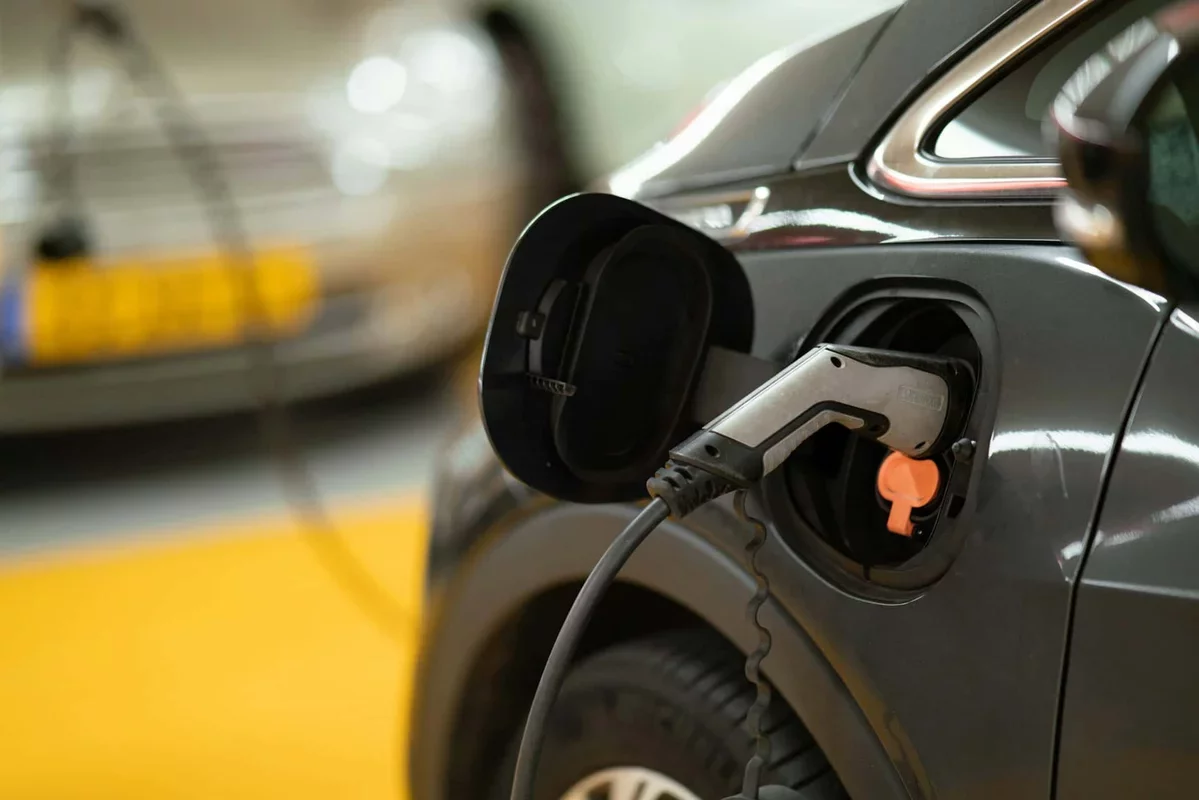
Plug-in hybrid vehicles (PHEVs) have long been positioned as a transitional solution towards fully electric vehicles (EVs). They promise reduced emissions by functioning as electric cars for shorter trips while relying on traditional fuels for longer journeys. However, this potential is only realized when these vehicles are regularly charged, a practice that recent data suggests is not widely adopted.
Research from the Fraunhofer Institute indicates that less than one-third of the 1 million PHEVs in Germany are charged consistently. This raises concerns for U.S. automakers, like Ford, who are marketing PHEVs as efficient alternatives, hoping to enhance fleet efficiency without a significant EV rollout.
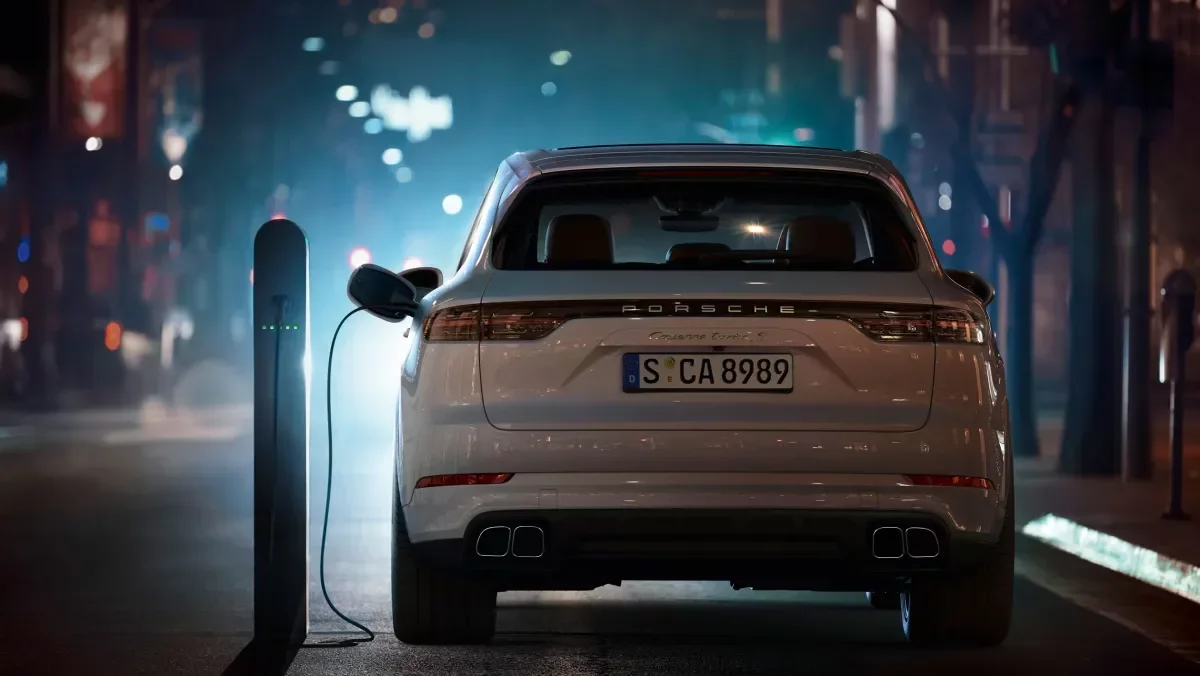
Despite claims of improved efficiency, a new study reveals that PHEVs often fall short of their promises. For instance, Toyota drivers utilized electricity for only 44% of their driving energy, while Porsche drivers averaged a mere 0.8% over two years, indicating minimal charging habits.
Previous studies have highlighted that PHEVs can emit approximately 3.5 times more pollution than their official ratings suggest. This discrepancy is attributed to the vehicles' reliance on both gas and electricity, with the latest findings directly assessing the energy sourced from charging.
PHEVs are hindered by their limited battery capabilities, typically allowing only short electric-only ranges. While some models can manage around 20 to 30 miles on battery power, there are calls for future designs to incorporate longer ranges to encourage more frequent charging.
However, merely extending battery life may not resolve the underlying issues. Most PHEVs are built on fossil fuel platforms, meaning they cannot fully rely on electric power. When drivers demand more power, such as during acceleration or in cold weather, the gasoline engine activates, leading many to question the necessity of plugging in.
This leads to a pivotal question: Are PHEVs truly beneficial? They have been marketed as a stepping stone towards EV adoption, allowing drivers to become accustomed to charging as infrastructure develops. Yet, without consistent charging habits, the intended benefits are lost, resulting in increased pollution and maintenance costs due to their complex drivetrains.
One potential solution is the extended-range electric vehicle (EREV), which operates on battery power until depleted, at which point the gasoline engine takes over to recharge it. Although no EREV has required regular charging, major manufacturers like Ford and Stellantis are exploring this concept with upcoming models.
As EV charging networks continue to expand, the automotive landscape may shift away from the need for PHEVs. With growing consumer confidence in EVs, the reliance on hybrid solutions could diminish, encouraging legacy automakers to rethink their strategies once again.
While PHEVs appeared to be a promising innovation, their real-world performance suggests they may not be the best path forward in the transition to sustainable transportation.