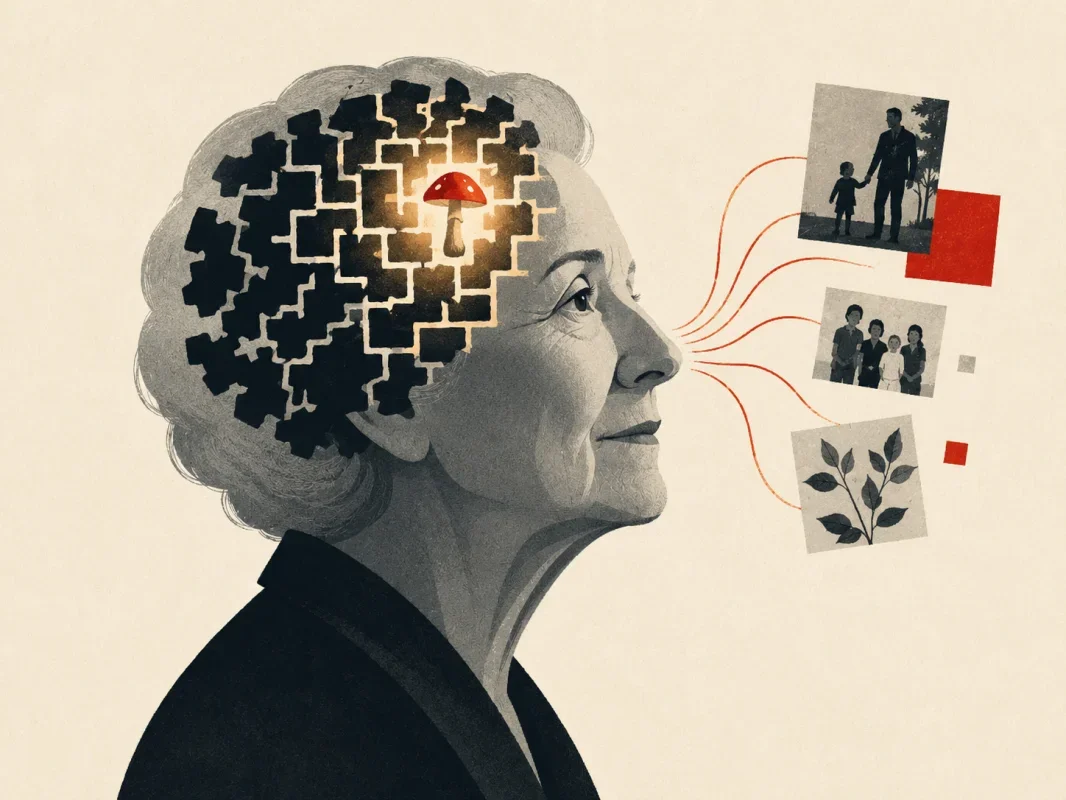
A recent study reveals that individuals who maintain a high level of intellectual engagement throughout their lives may develop Alzheimer's disease approximately five years later than those with minimal mental stimulation. Additionally, they experience mild cognitive impairment seven years later on average.
"Our research focused on cognitive enrichment from childhood through later life, emphasizing activities that stimulate the mind," explained Dr. Andrea Zammit from Rush University Medical Center in Chicago. "The findings indicate that cognitive health in later years is significantly shaped by lifelong exposure to stimulating environments."
Longitudinal Study Highlights Cognitive Enrichment
The study tracked 1,939 adults, averaging 80 years old, who were free of dementia at the study's onset. Participants were observed for about eight years.
To explore lifelong learning, researchers assessed cognitive enrichment across three life stages. Early life factors included frequency of reading, availability of books and newspapers at home, and exposure to foreign languages for over five years. Middle age enrichment considered income level at age 40, access to magazines, dictionaries, and library memberships, as well as visits to museums and libraries. Later life enrichment, starting around age 80, focused on activities like reading, writing, and playing games, alongside income from Social Security and retirement funds.
Participants received enrichment scores based on their engagement levels.
Link Between Higher Enrichment and Lower Alzheimer's Risk
Throughout the study, 551 participants developed Alzheimer's, while 719 experienced mild cognitive impairment. A comparison of the top 10% of participants with the highest enrichment scores against the bottom 10% revealed significant differences. Among those with the highest scores, only 21% were diagnosed with Alzheimer's, compared to 34% in the lowest group.
After adjusting for variables like age, sex, and education, a higher lifetime enrichment was correlated with a 38% reduction in Alzheimer's risk and a 36% reduction in mild cognitive impairment risk.
Benefits of Cognitive Engagement Extend into Old Age
The onset of Alzheimer's also varied significantly; individuals with the highest enrichment developed the disease at an average age of 94, while those with lower enrichment did so at 88, reflecting a five-year delay. For mild cognitive impairment, symptoms appeared at an average age of 85 for those with higher enrichment, compared to 78 for those with lower levels, indicating a seven-year delay.
In a smaller cohort of participants who passed away during the study and underwent autopsies, those with higher enrichment displayed stronger memory and cognitive abilities, along with a slower decline before death, even after accounting for early brain changes associated with Alzheimer's.
Promoting Access to Enriching Activities
"Our findings are promising, suggesting that ongoing engagement in various mentally stimulating activities throughout life can positively influence cognition," remarked Zammit. "Investments in public resources that enhance access to enriching environments, such as libraries and early education programs, may help mitigate dementia rates."
Key Insights:
- Staying mentally active through reading, writing, and learning new skills is associated with a lower Alzheimer's risk.
- The study shows a connection between lifelong learning and cognitive health, though it does not prove causation.
- Those in the highest enrichment categories had a 38% lower risk of Alzheimer's compared to those in the lowest.
- Increased mental engagement correlates with significant delays in disease onset.
- Enhancing access to educational and intellectual opportunities can support brain health as we age.
This research was supported by the National Institutes of Health and Michael Urbut, a former member of the Rush University Board of Governors.