The term "Zone 2" has gained traction in the fitness community, signifying a level of low-intensity cardio that many should incorporate into their regular routines. When exercising in this zone, individuals experience an increase in breath rate but can still maintain a conversation. The conclusion of a Zone 2 session is determined by time rather than fatigue.
Defining Zone 2 Training
Zone 2 training is primarily based on heart rate metrics. This classification utilizes devices such as wristwatches equipped with optical sensors or chest straps that provide accurate heart rate readings. The heart rate zones are typically divided into five categories: Zone 1 represents rest or recovery, Zone 2 is low-intensity cardio, while Zones 3, 4, and 5 correspond to increasing levels of exertion.
While Zone 2 is currently in vogue, it's essential to recognize that other zones also hold value. For optimal cardiovascular health, a blend of Zones 2 and 3 may be more beneficial than focusing solely on Zone 2.
Heart rate zones are generally expressed as percentages of an individual's maximum heart rate. For instance, an Apple Watch may define Zone 2 as 60% to 70% of this maximum. However, discrepancies arise depending on the device or platform being used, leading to varied interpretations of what constitutes Zone 2.
Heart Rate Percentages for Zone 2
Different fitness wearables and systems provide distinct percentages for Zone 2:
- Apple Watch: Zone 2 is set at 60-70% of heart rate reserve.
- Fitbit: Instead of "Zone 2," it offers a "moderate" zone at 40-59% of heart rate reserve.
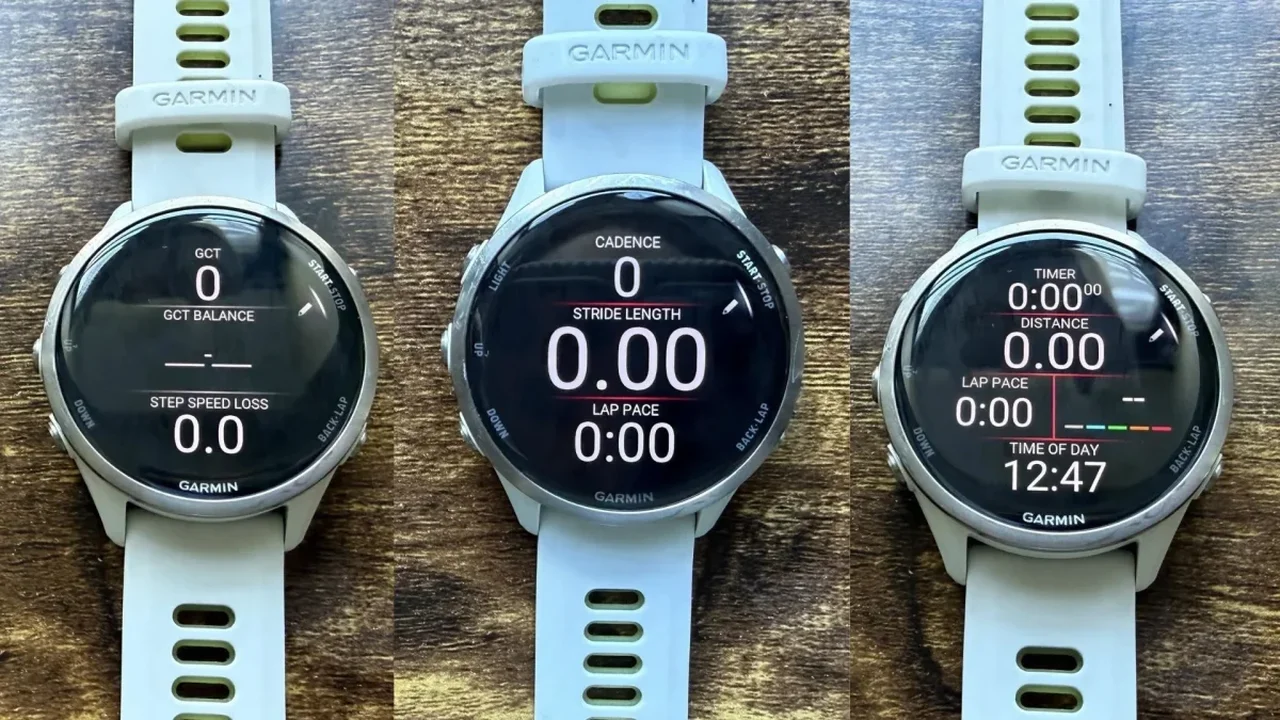
- Garmin: Zone 2 can range from 73-81% of max heart rate or 65-75% of heart rate reserve.
Other systems, such as Orangetheory and Peloton, also define Zone 2 differently, emphasizing the need for users to be aware of these variations when engaging in heart rate training.
Choosing the Right Benchmark
Rather than fixating on specific numbers, it's vital to focus on the overall training goals. Whether aiming to enhance endurance or manage weight, the key is to sustain an exercise level that feels challenging yet manageable. Using perceived exertion, or RPE (rating of perceived exertion), can guide individuals in achieving their desired intensity.
Ultimately, understanding the nuances of heart rate zones empowers individuals to tailor their workouts effectively. As fitness technology continues to evolve, the future of personalized training will likely become even more refined, allowing for a deeper understanding of individual fitness needs.