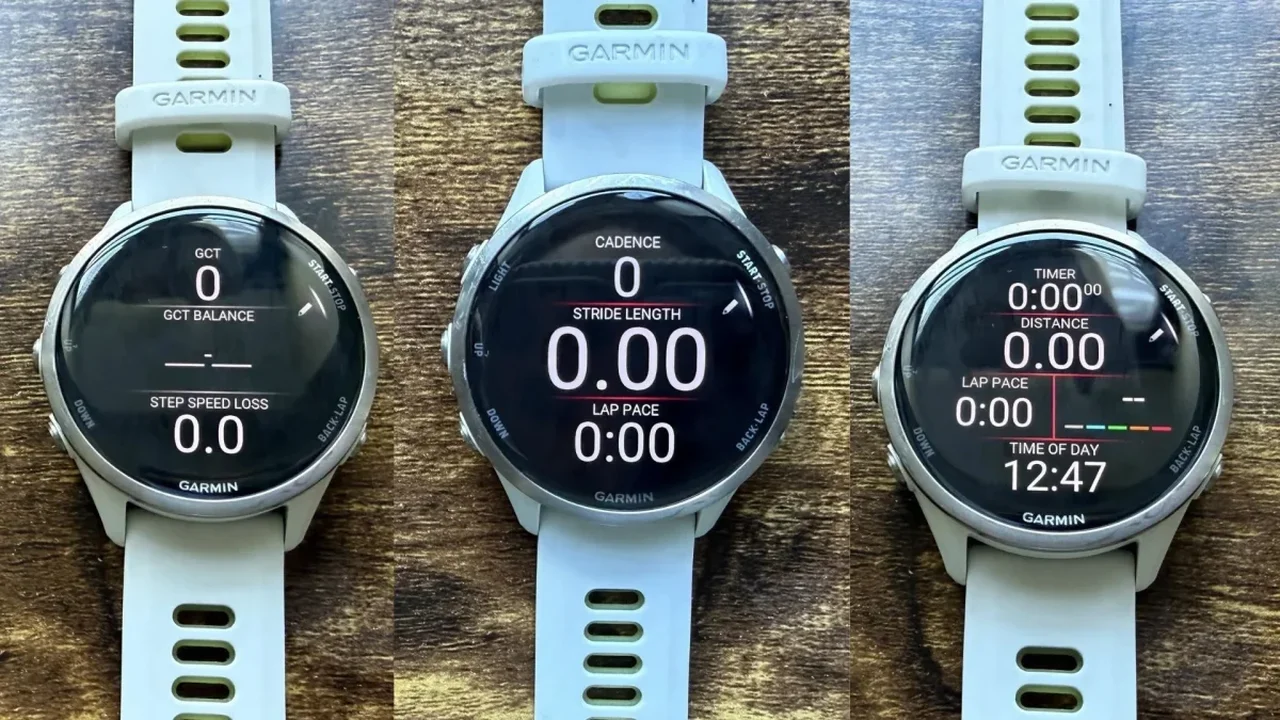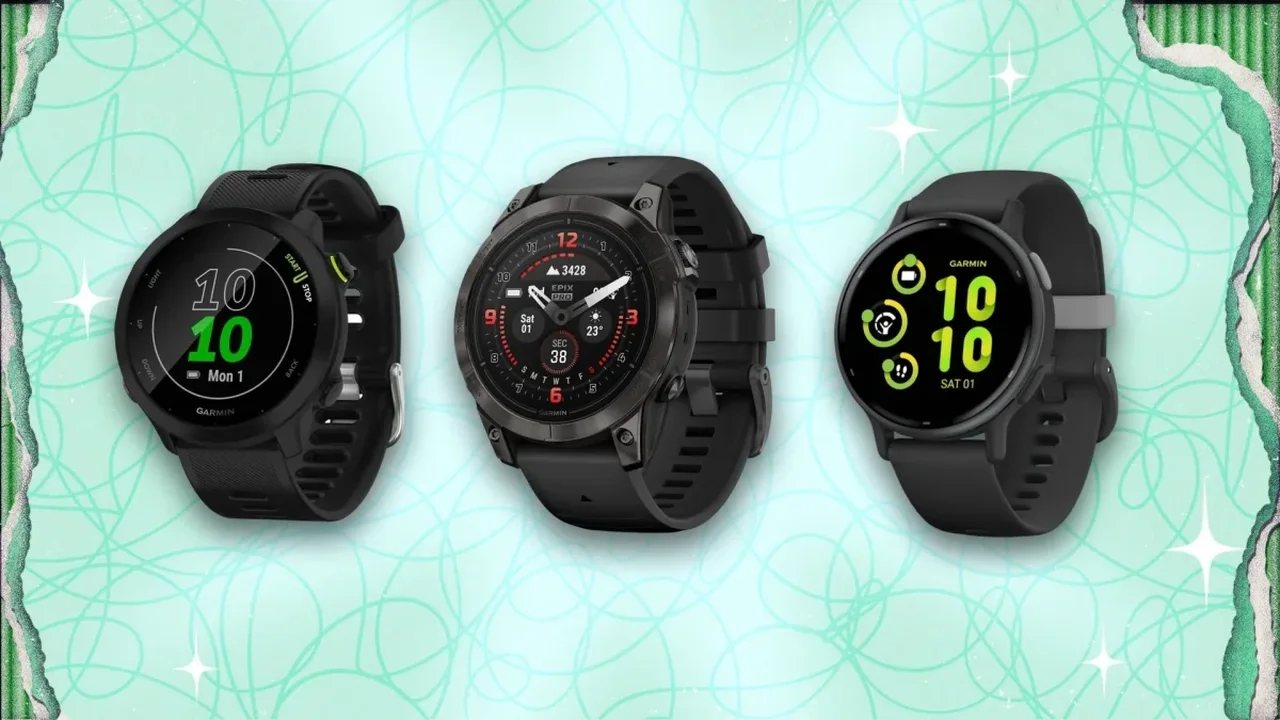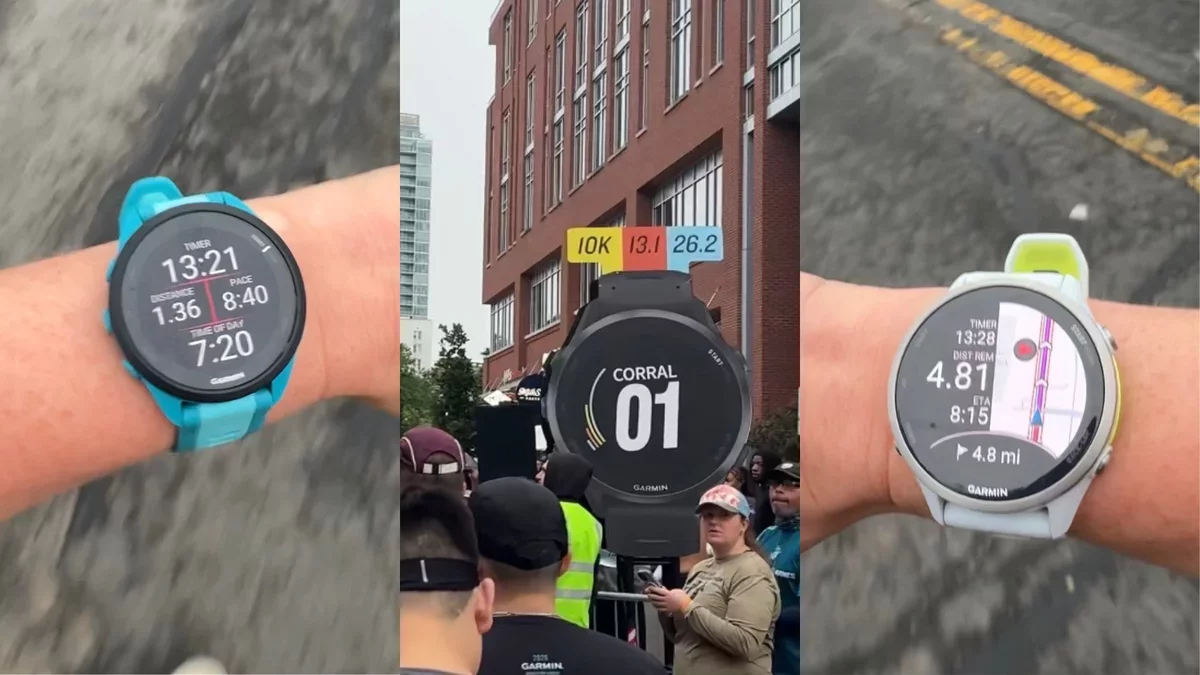
In a recent experiment, I wore two Garmin running watches during a 10K race to compare their performance. On my left wrist, I had the Forerunner 970, Garmin's premium model priced at $750, while my right wrist sported the more affordable Forerunner 165 Music, available for $300. This test aimed to determine whether the advanced features of a high-end watch truly enhance the racing experience.
Interestingly, the previous weekend's London Marathon winners were equipped with the Forerunner 55 and 255--models that are now considered quite dated. This fact lingered in my mind as I raced, prompting me to question the necessity of advanced technology in running watches. How much of a difference does it really make?
Performance Metrics: Heart Rate and GPS Accuracy
Prior to the race, I conducted controlled interval runs with both watches and a chest strap to assess heart rate accuracy. Both devices performed commendably, accurately capturing fluctuations without significant discrepancies. While the 970's advanced sensor provided a smoother experience, the 165 was reliable, though it occasionally lagged slightly behind during intense intervals. For most runners, either option would suffice.
Regarding GPS functionality, both watches secured a signal swiftly and maintained accuracy throughout the race. The Forerunner 970 demonstrated superior precision, particularly beneficial for technical runs or urban environments. However, for casual runners, the 165 offers dependable GPS tracking.
Feature Comparison: Which Watch Reigns Supreme?
The Forerunner 970 boasts a range of advanced features, including detailed performance analytics and race-specific functions such as Auto Lap by Timing Gates, which automatically detects timing mats during races. This feature is invaluable for detail-oriented runners. Conversely, the 165 focuses on essential metrics like pace, distance, and heart rate, appealing to those who prefer simplicity over complexity.
Using both watches highlighted the ease of the 970's touchscreen interface, allowing for quick navigation during runs. While this premium experience feels luxurious, it's important to note that enhanced features do not inherently improve running performance. The value of such upgrades ultimately depends on individual preferences.
As noted by my colleague, the core of running success lies within the athlete, not the technology. Elite runners have proven that performance is achievable with basic tools. However, if the allure of advanced features motivates you to train consistently, then investing in a high-end watch may be worthwhile.
In conclusion, while the Forerunner 970 offers a wealth of features for serious athletes, the Forerunner 165 Music stands as a strong contender for those seeking quality without the hefty price tag. The future of running technology will likely continue to evolve, emphasizing personal choice and motivation over mere hardware superiority.