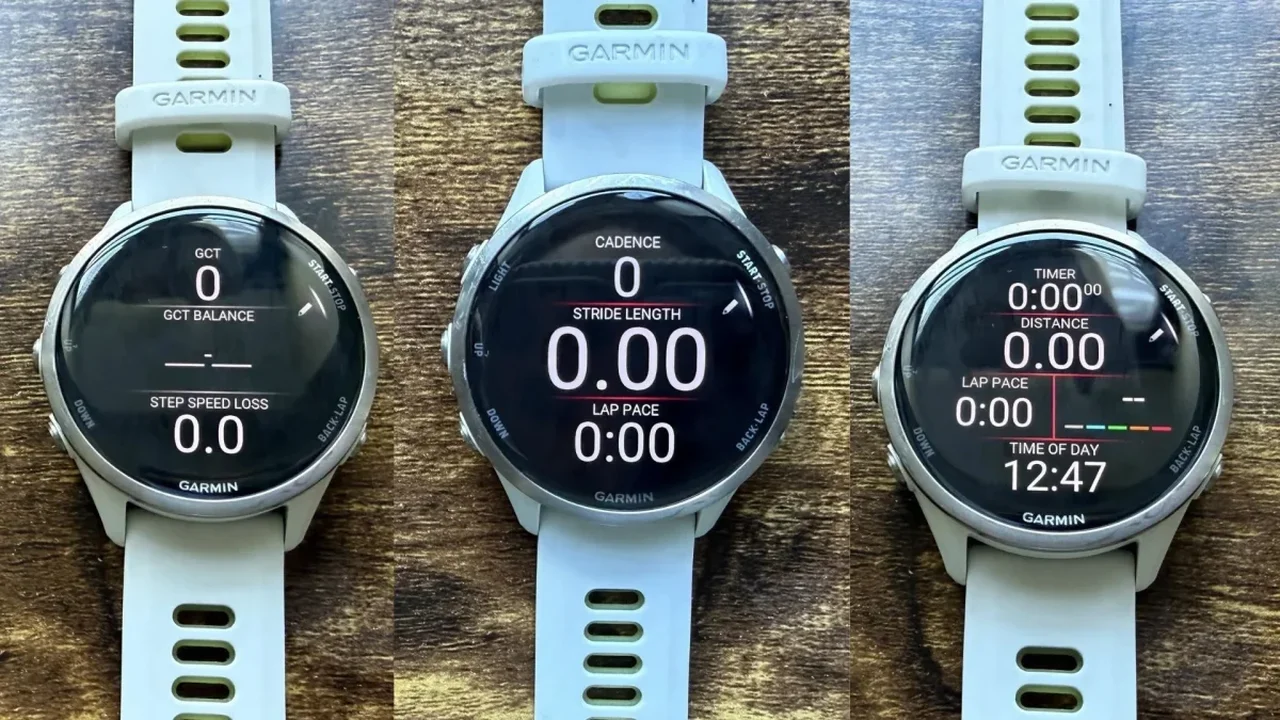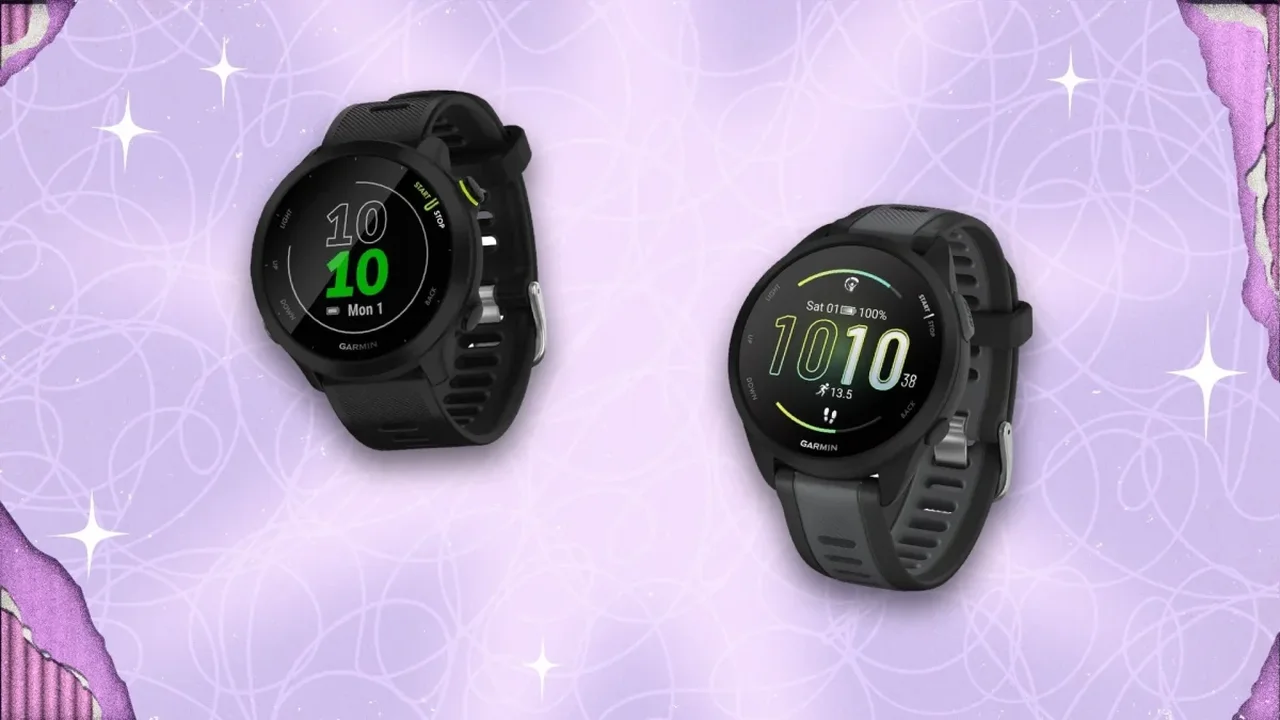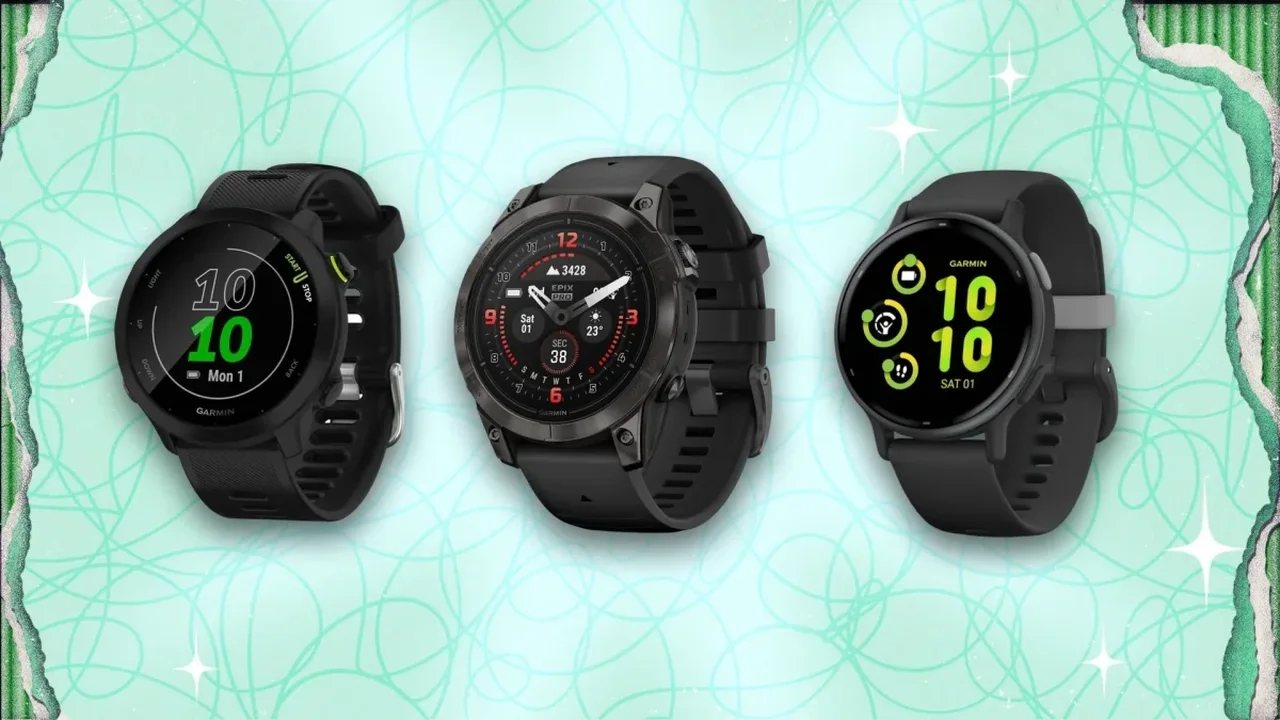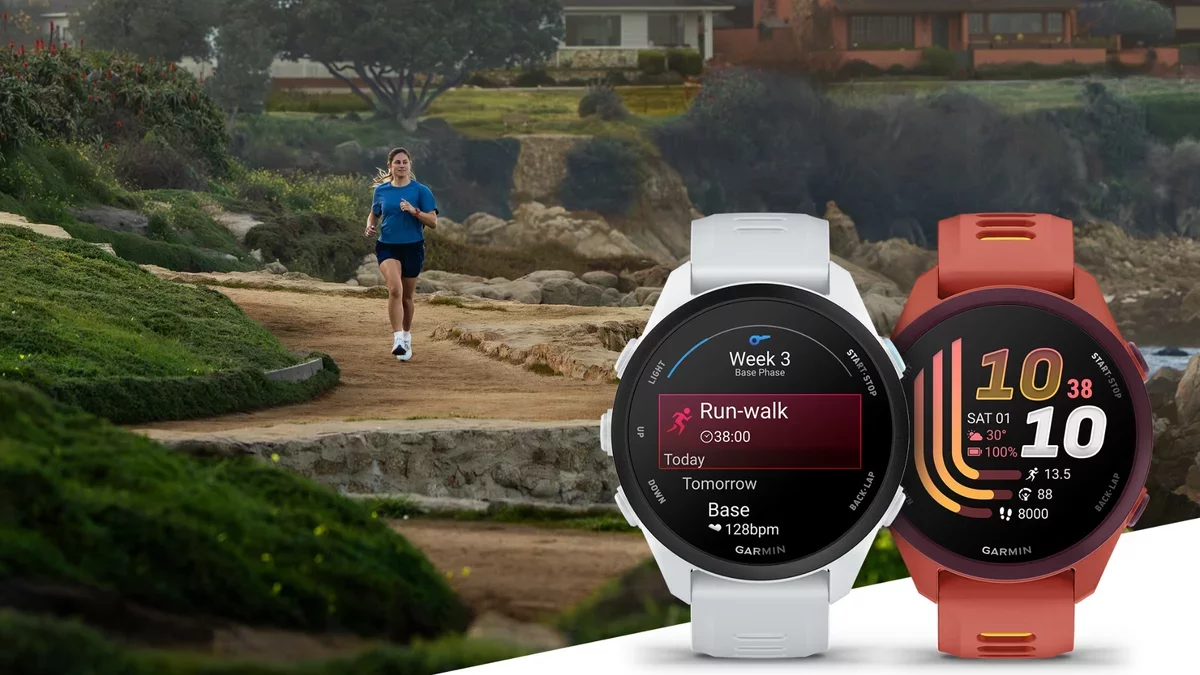
Garmin has introduced two exciting additions to its lineup of running watches: the Forerunner 70 and the Forerunner 170, both set to launch on May 15, 2026. Priced at $249.99 and $299.99 respectively, the Forerunner 170 Music edition will retail for $349.99. These new models boast striking AMOLED touchscreen displays and an impressive array of training tools, elevating them beyond typical entry-level offerings. While they aim to enhance the features of the Forerunner 55 and 165, their actual performance remains to be seen.
Insights on the Garmin Forerunner 70
As noted by Lifehacker's health editor, Beth Skwarecki, the Forerunner 70 marks a significant upgrade from the Forerunner 55, which originally sold for $199.99. The new model features a vibrant touchscreen AMOLED display, Garmin Run Coach, advanced training metrics, as well as sleep tracking and workout options that cater to newcomers to running.
However, at $249.99, its competitiveness against similar products in the market is worth considering. The Coros Pace 4, priced the same, offers dual-band GPS and 4 GB of offline music storage. Meanwhile, the Suunto Run is even more affordable at $199, also providing dual-band GPS and 4 GB of music storage. In comparison, the Forerunner 70 has single-band GPS and only 0.5 GB of storage.
Where the Forerunner 70 shines is within Garmin's robust software ecosystem. Unique features include battery data glances, sleep coaching, lifestyle tracking, and a fitness coach that integrates strength and cardio training without the need for a specific sport commitment. This makes it ideal for users seeking more than just a basic running tracker.
Exploring the Garmin Forerunner 170
Similar to the Forerunner 70's relationship with the 55, the Forerunner 170 is an upgrade over the Forerunner 165, which initially launched at $249.99. While it might be tempting to compare it to the popular Forerunner 265, which originally retailed for $449 but often sees discounts to $349.99, the 170 offers a different set of features.
Despite having a shorter battery life of 10 days compared to the 165's 11-13 days, the Forerunner 170 compensates with enhanced software capabilities. However, it lacks certain features found in the 265, such as dual-band GPS and support for cycling workouts, which could be a drawback for users expecting a straightforward upgrade.
Nonetheless, the Forerunner 170 introduces advanced software features previously exclusive to higher-end models, including a more capable Garmin Run Coach, training readiness assessments, and suggested workouts based on user recovery.
Conclusion
Both the Forerunner 70 and 170 present promising options for beginners seeking reliable GPS smartwatches supported by Garmin's extensive software. However, for seasoned runners upgrading from previous Garmin models or considering alternatives from Coros or Suunto, the value proposition may require careful consideration. As Garmin continues to innovate, these developments could shape the future of running technology and personal fitness tracking.