In today's digital age, the impact of extensive screen time on our mental and physical well-being is a pressing topic. While much attention is given to the mental health implications, the physical effects on our bodies are equally significant.
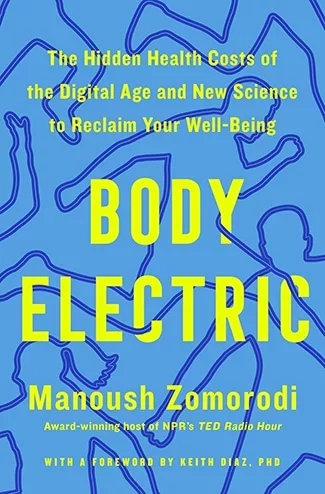
In a recent podcast episode, host Manoush Zomorodi, known for her work on the TED Radio Hour and author of Body Electric, delves into how our reliance on digital technology can drain our energy levels. She offers insights into how a day spent in front of screens can leave individuals feeling fatigued, despite a lack of physical activity. Zomorodi emphasizes the importance of integrating short movement breaks throughout the day to combat this fatigue, suggesting that even small increments of activity can enhance energy and focus.
During the discussion, she elaborates on the specific ways that digital devices affect our eyesight and auditory health, providing practical advice on how to mitigate these effects. Zomorodi's recommendations aim to empower individuals to take control of their health in a technology-driven world.
For those interested in exploring these concepts further, the podcast also touches on related resources and articles that focus on creativity, productivity, and the importance of building daily routines that support both mental and physical health.
As we navigate an increasingly digital landscape, understanding the balance between screen time and well-being becomes crucial. By adopting simple practices to counteract the negative effects of prolonged sedentary behavior, we can foster a healthier relationship with technology, ultimately enhancing our quality of life.
This dialogue not only sheds light on current challenges but also inspires a vision for a future where technology and wellness coexist harmoniously.