German health startup TimeTeller is developing ways to make a person's internal clock part of more personalized healthcare. Its saliva-based test helps map circadian rhythms, which influence patterns such as sleep and daily activity.
The company's longer-term goal is to help clinicians find the timing at which particular cancer treatments may be better tolerated or more effective. That requires research into each medicine and clinical studies; the consumer test alone does not determine when a patient should receive treatment.
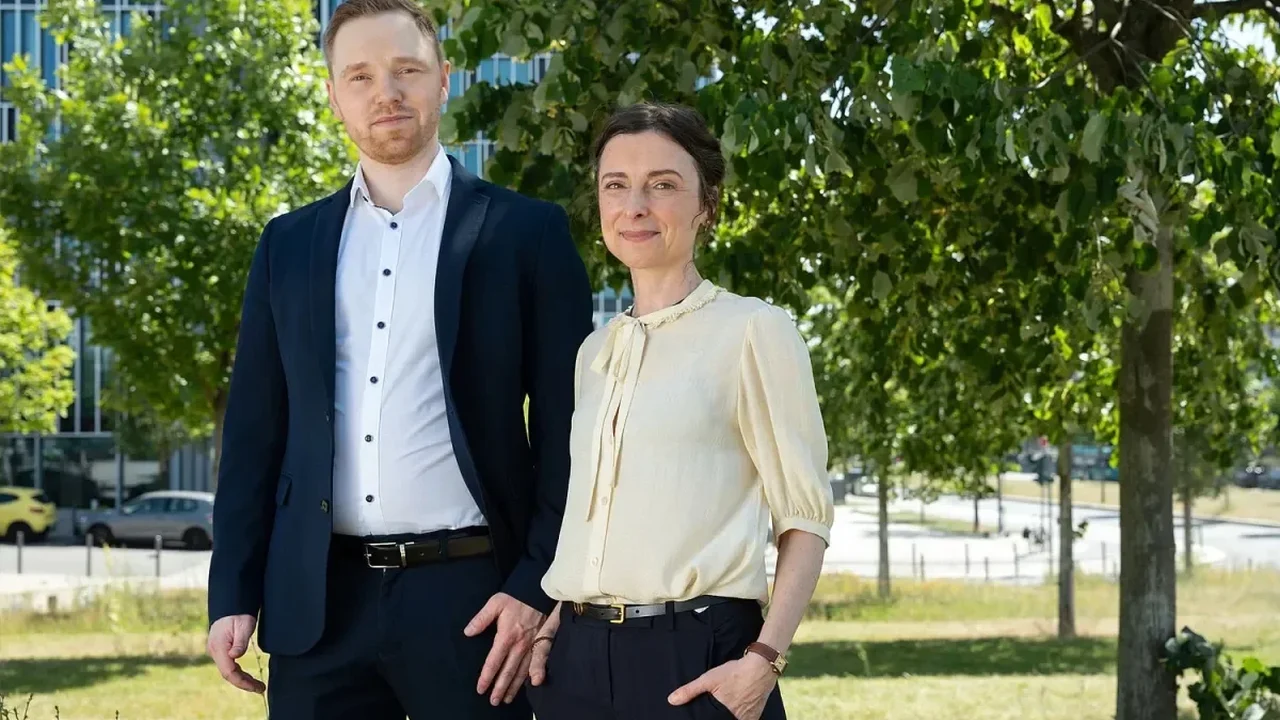
Founder and CEO Angela Relógio, a physicist-engineer and molecular biologist, began exploring the idea through her cancer research. She saw an opportunity to investigate whether treatment timing, as well as the choice of treatment, could affect patients' experience. TimeTeller's work is rooted in the principle that many bodily processes follow daily rhythms.
The test is also attracting interest from longevity clinics, which can use circadian data to inform guidance on sleep, nutrition, light exposure and physical activity. TimeTeller's research may eventually extend to areas including metabolic and neurodegenerative conditions, though cancer remains its central focus.
Founded as a spinout of Berlin's Charité university hospital, the company later moved to Medical School Hamburg. It has also partnered with German health insurer Techniker Krankenkasse, which reimburses the test for a group of cancer patients, with the possibility of widening access.
As clinical research advances, incorporating biological timing into care could help make treatment plans more tailored to individual patients.