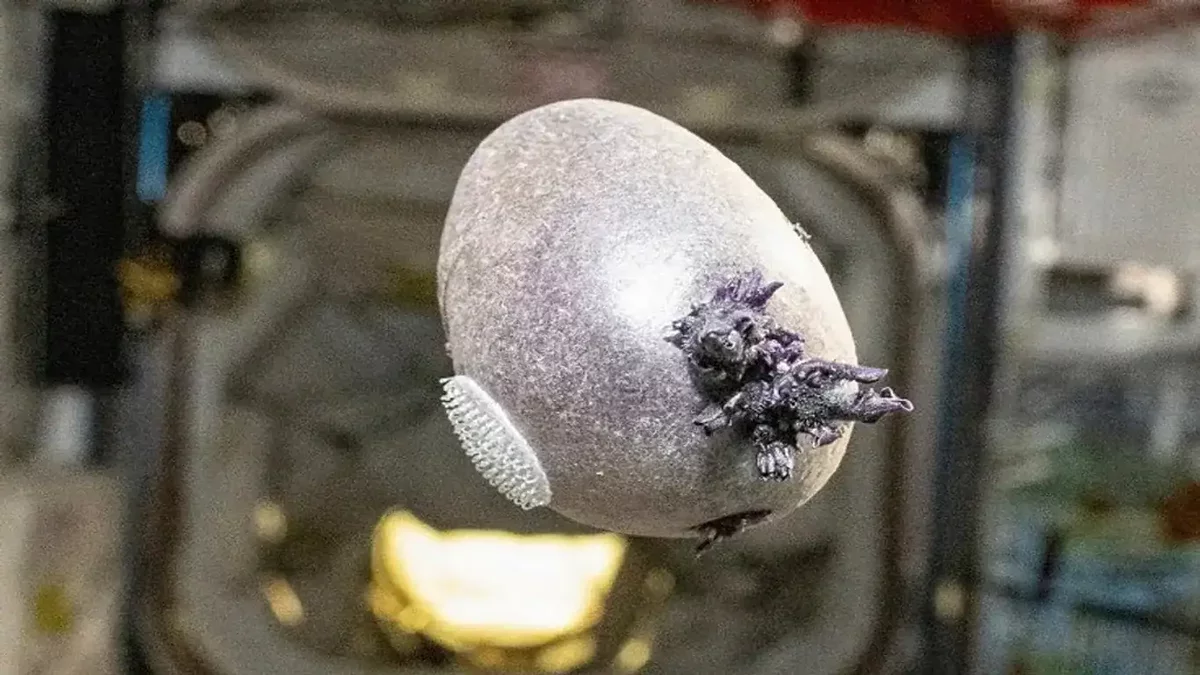
A recent image shared by astronaut Don Pettit, featuring a peculiar purple object with tentacle-like appendages, has sparked a frenzy on social media. Contrary to initial impressions, this so-called "alien" is simply a potato, specifically a purple tuber affectionately named Spudnik-1, cultivated aboard the International Space Station (ISS).
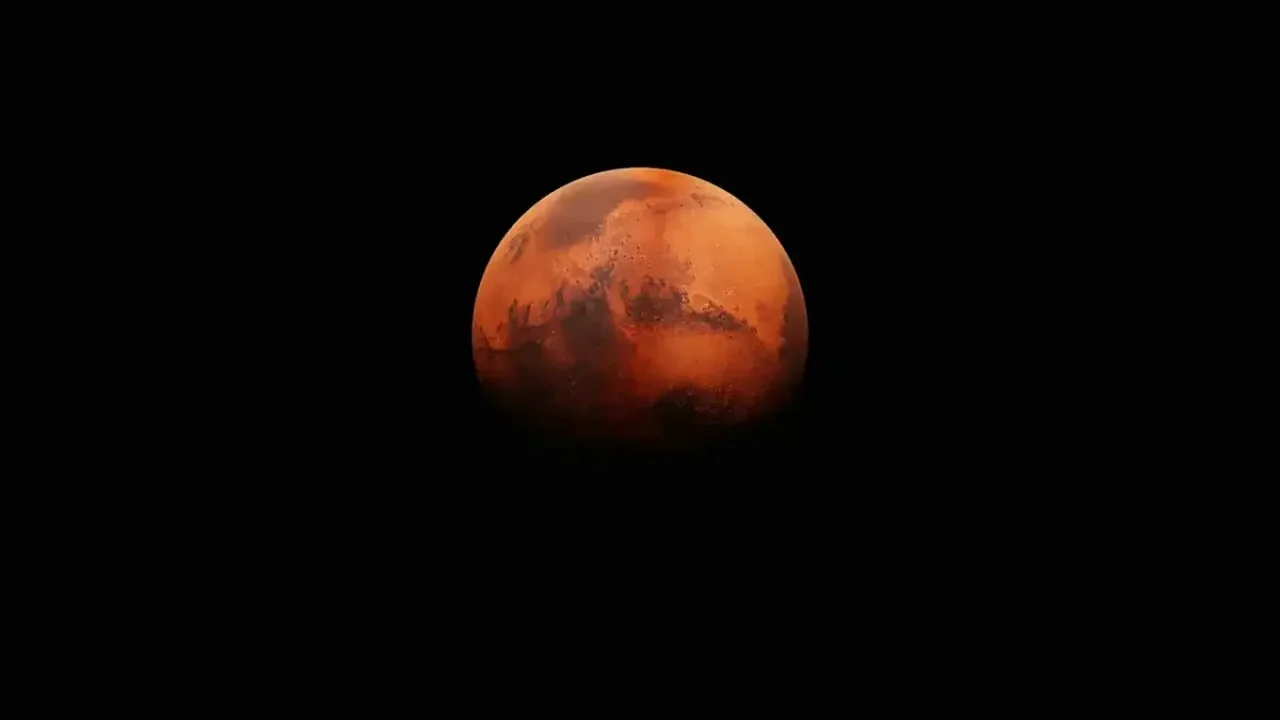
Pettit, a seasoned astronaut with four space missions under his belt, has dedicated a portion of his time in orbit to nurturing a space garden. This initiative is not merely for leisure; it serves as a vital experiment for future Mars missions. As highlighted in Andy Weir's novel The Martian, potatoes are an optimal food source due to their efficient nutritional yield relative to their mass.
Introducing Spudnik-1
In a post on social media, Pettit explained the significance of his potato project, stating, "Spudnik-1, an orbiting potato on the International Space Station. I flew potatoes on Expedition 72 for my space garden, an activity I did in my off-duty time." This purple potato, secured with Velcro in his makeshift grow light terrarium, symbolizes a crucial step toward sustainable food sources for long-duration space travel.
The potato's unusual growth, with its spindly "tentacles," results from the absence of gravity, which confuses the plants' natural instincts. In space, roots and stems grow erratically, reaching for any available light. Pettit utilized a hydroponic system, allowing the potato to thrive in nutrient-rich water rather than soil.
Pettit's experience with cultivating crops in space is extensive. He has previously grown various plants, including sunflowers and broccoli, and even innovatively used earplugs as a growing medium for basil and tomato seedlings. His endeavors underscore a fundamental truth for explorers: sustainable food sources are essential for long journeys.
Challenges of Space Agriculture
While growing food on Earth is a well-established practice, it poses unique challenges in space. Currently, all food consumed by astronauts must be transported from Earth, making it impractical for missions to Mars, which could last up to three years. Therefore, establishing a self-sustaining food system is critical for future exploration.
Interestingly, the purple potato's vibrant color indicates high levels of anthocyanins, antioxidants that may help shield astronauts from radiation, a significant concern in space. Pettit observed that his crops showed no adverse effects from radiation exposure, suggesting that future Martian greenhouses may require less shielding.
The Psychological Benefits of Gardening in Space
Beyond nutrition, gardening in space offers psychological advantages. The sterile environment of the ISS can lead to feelings of isolation and stress. Tending to plants provides astronauts with a sense of purpose and a connection to Earth, mitigating the emotional challenges of extended missions.
Despite the obstacles, each crop grown in space brings humanity closer to the dream of cultivating fresh produce on Mars. As we advance in space agriculture, the potential for sustainable living on other planets becomes increasingly tangible.