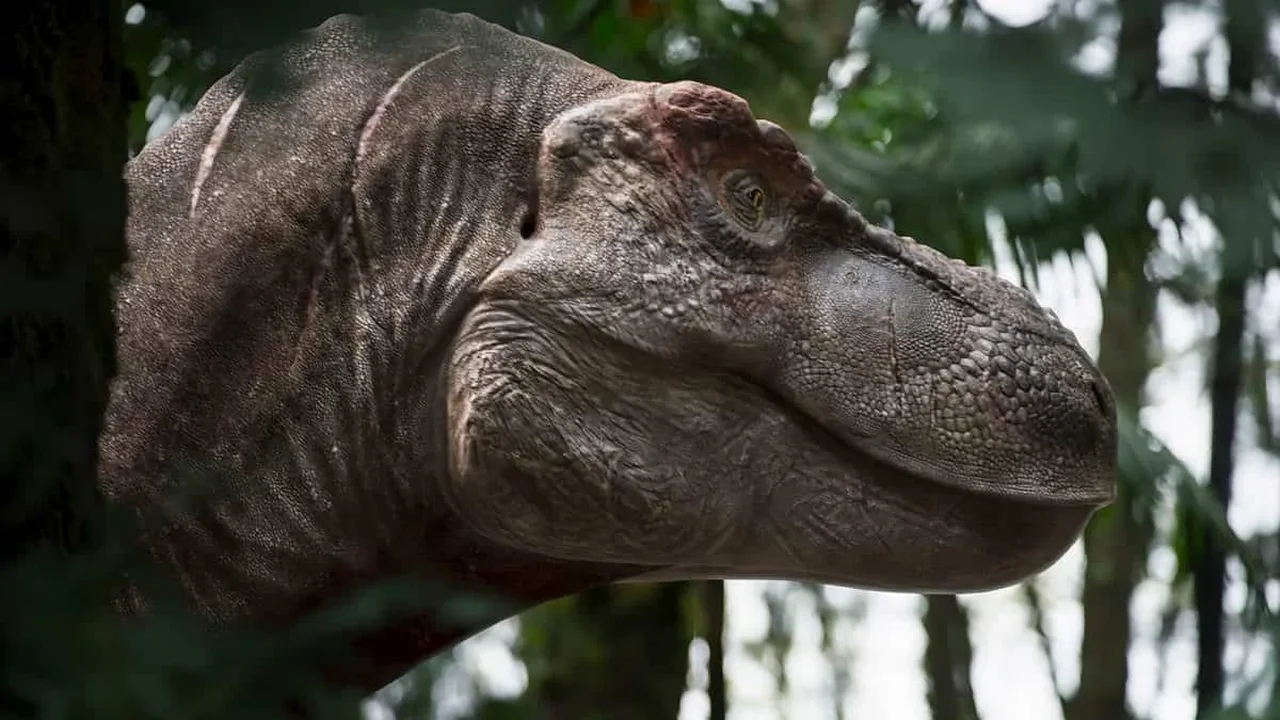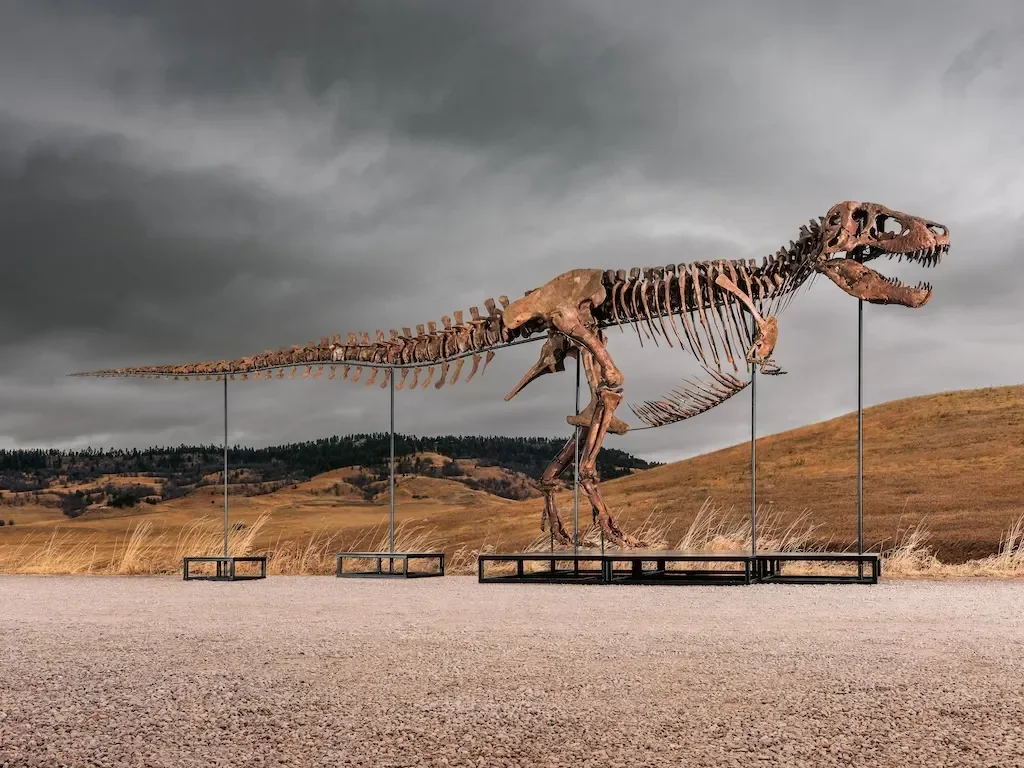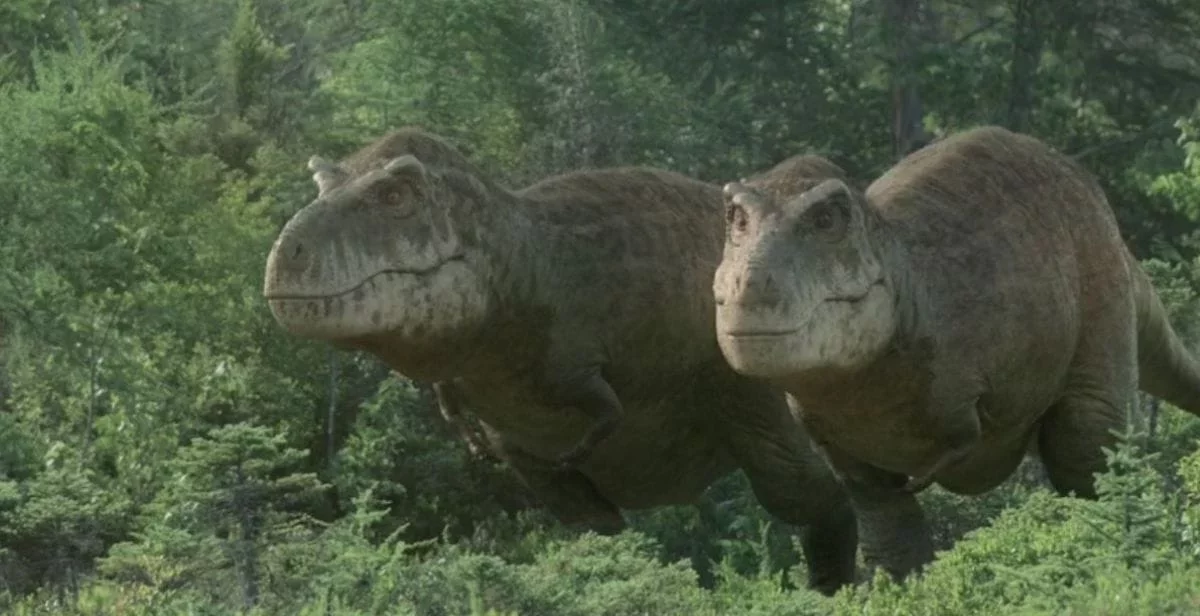
For years, pop culture has depicted the Tyrannosaurus rex as a lumbering giant, shaking the ground with its every move. However, recent research reveals a different story: this nine-ton predator may have walked with surprising grace, landing on the tips of its toes rather than stomping.
A groundbreaking study published in Royal Society Open Science indicates that the T. rex employed a "distal-first" foot-strike, meaning its toes made contact with the ground before the rest of its foot. This technique mirrors the walking style of modern-day ostriches, allowing for greater mechanical efficiency.
Refined Movement
Adrian Tussel Boeye and his research team utilized mathematical models to analyze the dinosaur's movement. While fossil skeletons provide size information, this study delves into how the T. rex's weight was distributed across its foot bones during a stride.
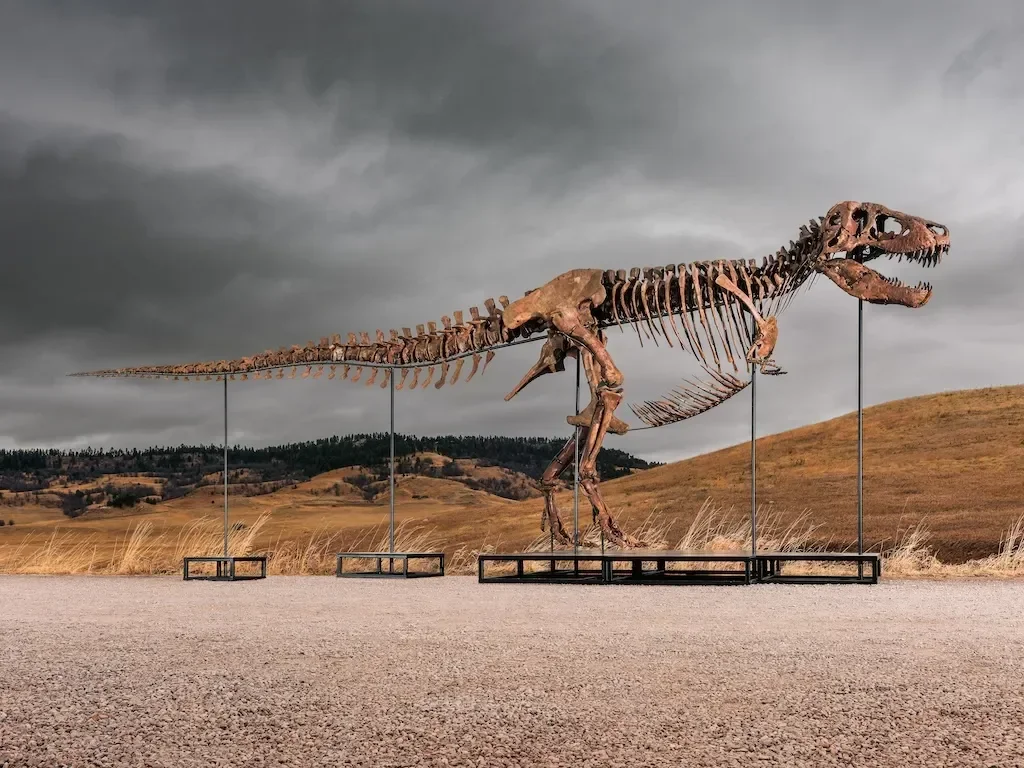
The researchers examined four well-preserved specimens, including the renowned "Sue" at the Field Museum. By inputting bone measurements into equations estimating animal speed, they tested various landing techniques: rear-foot, mid-foot, and distal-foot strikes.
The findings were consistent across specimens, revealing that toe-first landings enabled higher stride frequencies, allowing the T. rex to move more swiftly. This bird-like gait could propel the dinosaur at speeds between 5 and 11 meters per second (approximately 11 to 25 miles per hour).
This research aligns with paleontological evidence, as well-preserved tyrannosaur footprints show deeper impressions under the toes rather than the heels, confirming the dinosaur's weight distribution during movement.
"Our study represents the first quantitative biomechanical analysis of foot-strike patterns in Tyrannosaurus. We conclude that its foot functioned similarly to that of birds," the researchers noted.
A New Perspective
This refined foot-strike was not just a matter of elegance; it was a crucial survival adaptation. For a predator weighing up to 9 tons, maintaining stability with each step was essential, and a "distal-first" strike allowed the legs to absorb shocks effectively.
Unlike humans, who utilize a spring-like motion, the T. rex adopted a more flexible posture, facilitating rapid shifts in its center of mass. This adaptation enhanced its stability, especially on uneven terrain while pursuing prey.
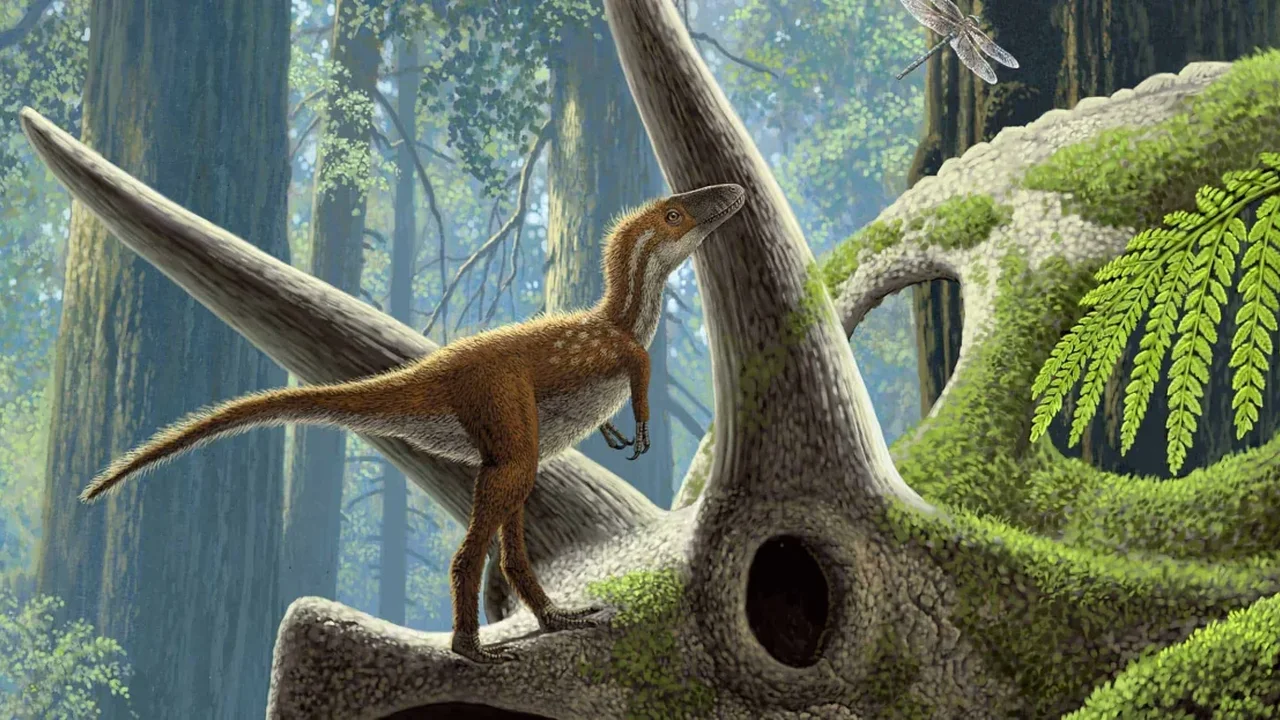
The study also suggests that the T. rex's movement evolved as it grew. Younger specimens were likely faster than their heavier adult counterparts, with young individuals reaching speeds of up to 11.4 meters per second compared to the 6.3 meters per second of older adults.
This research places the T. rex within a broader evolutionary framework, indicating that bird-like locomotion was likely common among theropod dinosaurs. Even as they evolved into massive forms, they retained the specialized mechanics of their more agile ancestors.
Ultimately, these findings challenge the traditional view of the T. rex as a clumsy giant, revealing instead a creature that effectively managed its weight with the precision of a bird.