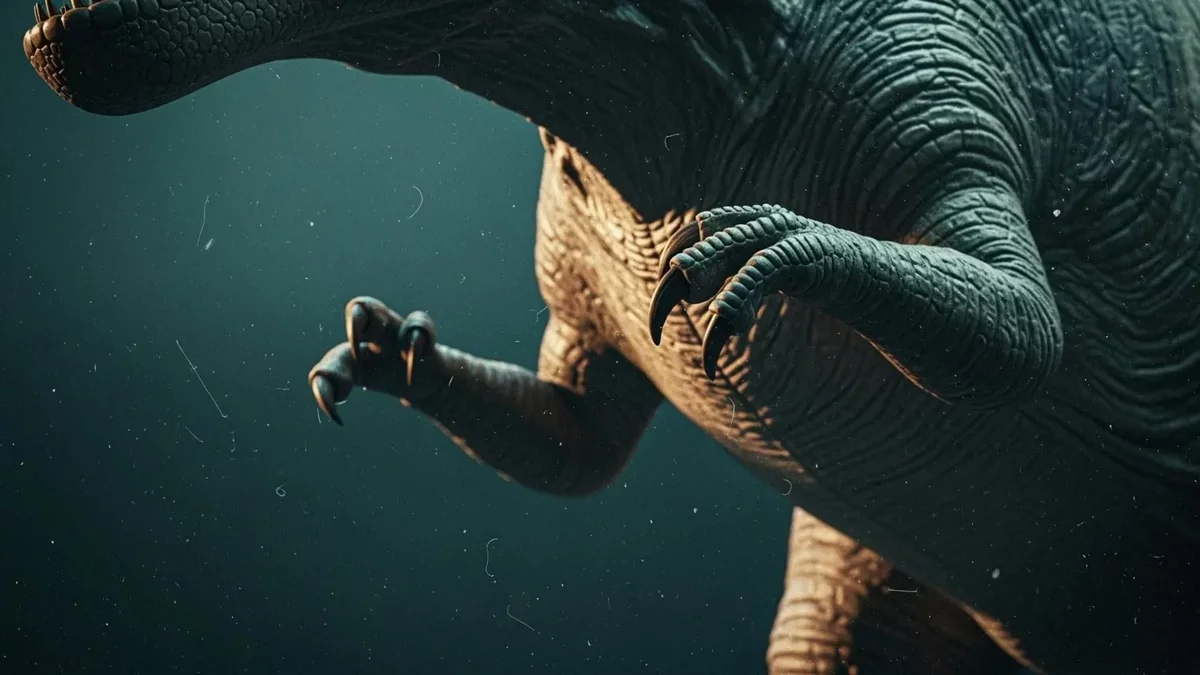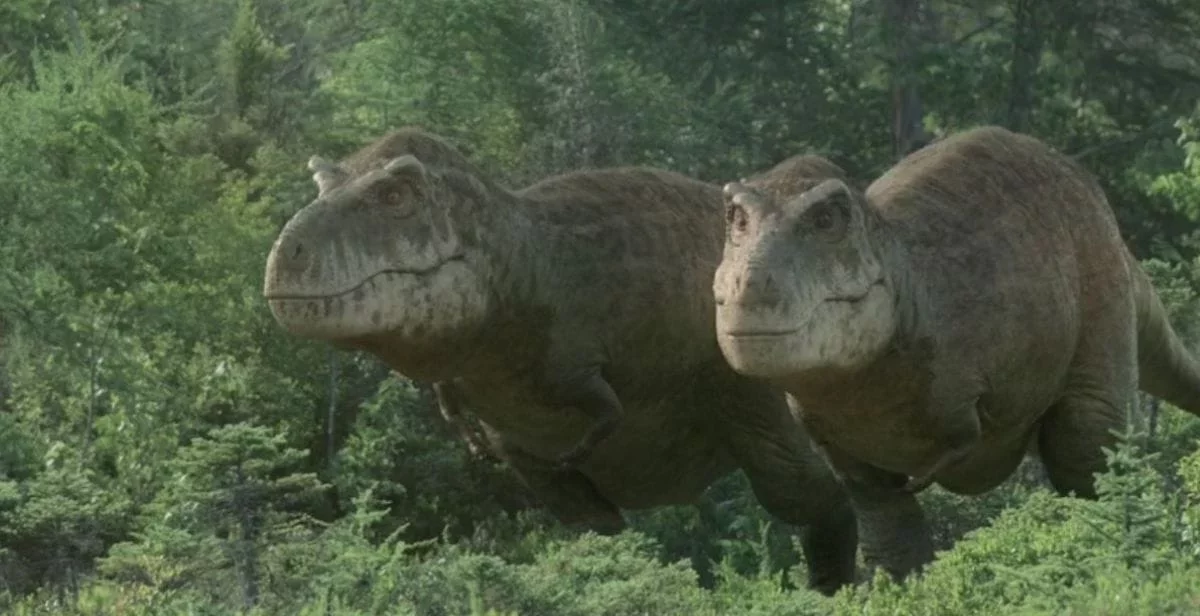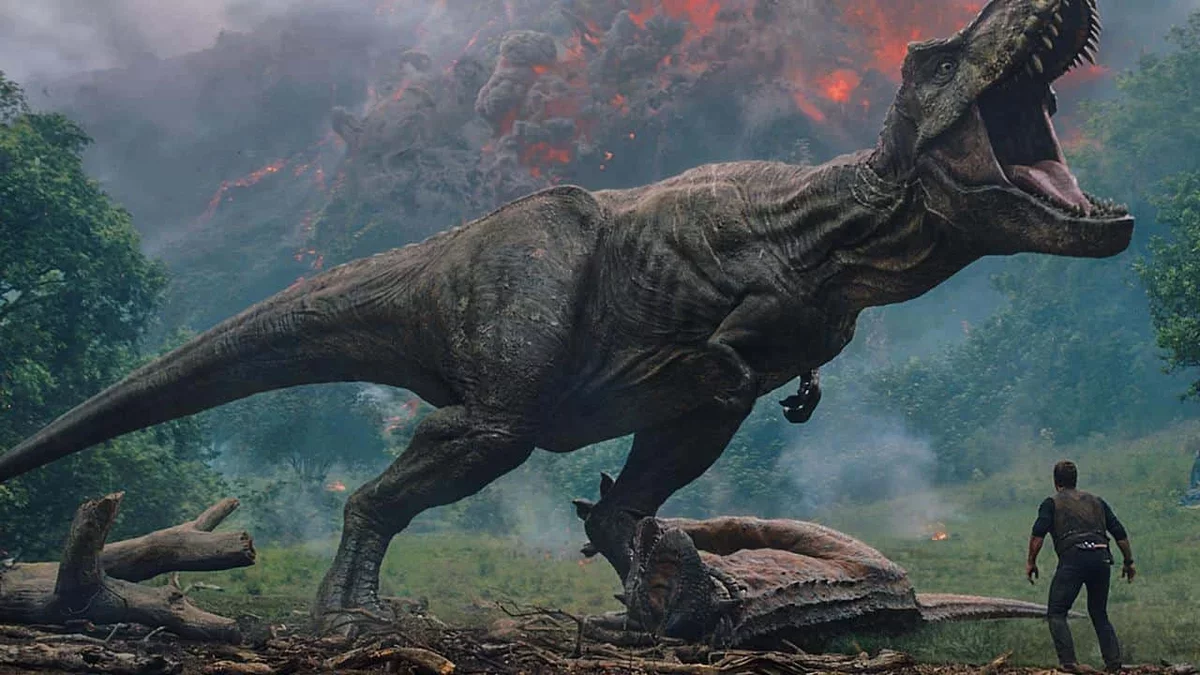
Traditionally depicted as a lumbering giant, the Tyrannosaurus rex has received a fascinating update from evolutionary biologists and biomechanics experts. Contrary to popular belief, this apex predator may not have thundered through the Cretaceous landscape with heavy, flat-footed stomps. Instead, recent research suggests that the T. rex likely walked and sprinted on its tiptoes, a revelation that redefines our understanding of its movement.
In a groundbreaking study published in Royal Society Open Science, a team led by Adrian Tussel Boeye from the College of the Atlantic explored the foot-strike patterns of several T. rex specimens. By analyzing the dinosaur's leg and foot bones, they employed biomechanical equations to model different walking styles, including heel-first and tiptoe strikes.
The findings indicate that, similar to modern birds--descendants of small, feathered theropods--the T. rex utilized a distal-first foot strike. This adaptation not only allowed for a more agile and stable gait but also transformed its legs into effective shock absorbers, managing the stress of its considerable weight over uneven terrain.
A New Perspective on Speed
This innovative foot technique has implications for the T. rex's speed as well. The study estimates that the dinosaur could reach speeds of 5 to 11.4 meters per second, or approximately 11 to 25 miles per hour. Remarkably, a young T. rex could sprint 100 meters in just 8.77 seconds, outpacing even Usain Bolt's world record time.
The research also highlighted the differences in hunting strategies between juvenile and adult T. rexes. Younger individuals were faster and likely targeted different prey than their larger, slower adult counterparts, illustrating a phenomenon known as ontogenetic niche partitioning.
Connecting Past and Present
Steve Brusatte, a paleontologist at the University of Edinburgh, remarked on the study's implications, noting that it reveals the T. rex's bird-like locomotion. This insight bridges the gap between ancient giants and modern avians, prompting filmmakers and museum curators to reconsider their portrayals of these magnificent creatures.
As researchers continue to uncover the intricacies of the T. rex's biology, we gain a deeper appreciation for the diversity of life that once roamed our planet. The revelation that this iconic predator was more agile than previously thought adds a new layer to our understanding of its role in the prehistoric ecosystem.