Our comprehension of dinosaurs has largely been shaped by fossilized bones and teeth, which, while durable, provide limited insights into their lifestyles. In contrast, soft tissues offer a wealth of information, revealing details about appearance, movement, and behavior.
Among these soft tissues, preserved blood vessels can be particularly enlightening. My research team and I recently identified such blood vessels in a Tyrannosaurus rex fossil, with our findings published in Scientific Reports.
A Journey Rooted in Physics
My journey began as an undergraduate physics student at the University of Regina, where I joined a research group utilizing particle accelerators to investigate fossils. During this time, I applied advanced 3D imaging techniques to a T. rex bone and discovered structures resembling blood vessels.
Now, nearly six years later, I am pursuing a PhD, continuing to refine physics-based methods for fossil analysis.
Scotty: The Largest T. Rex Ever Discovered
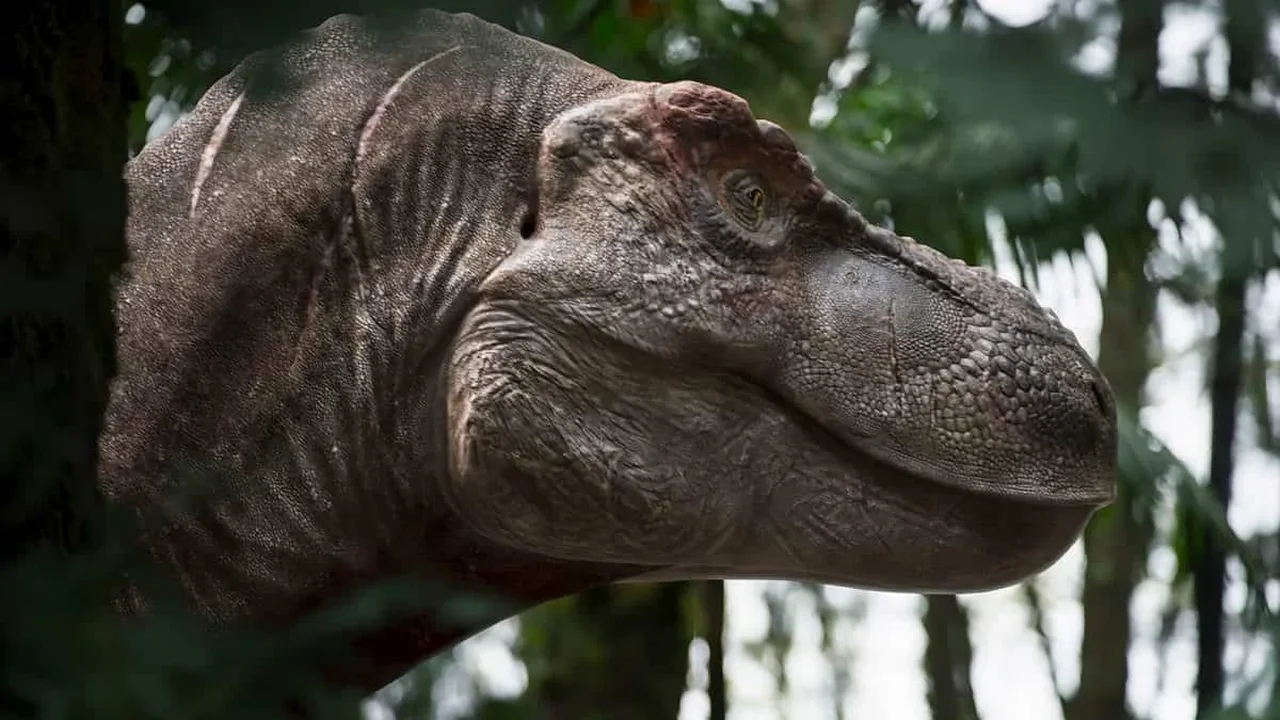
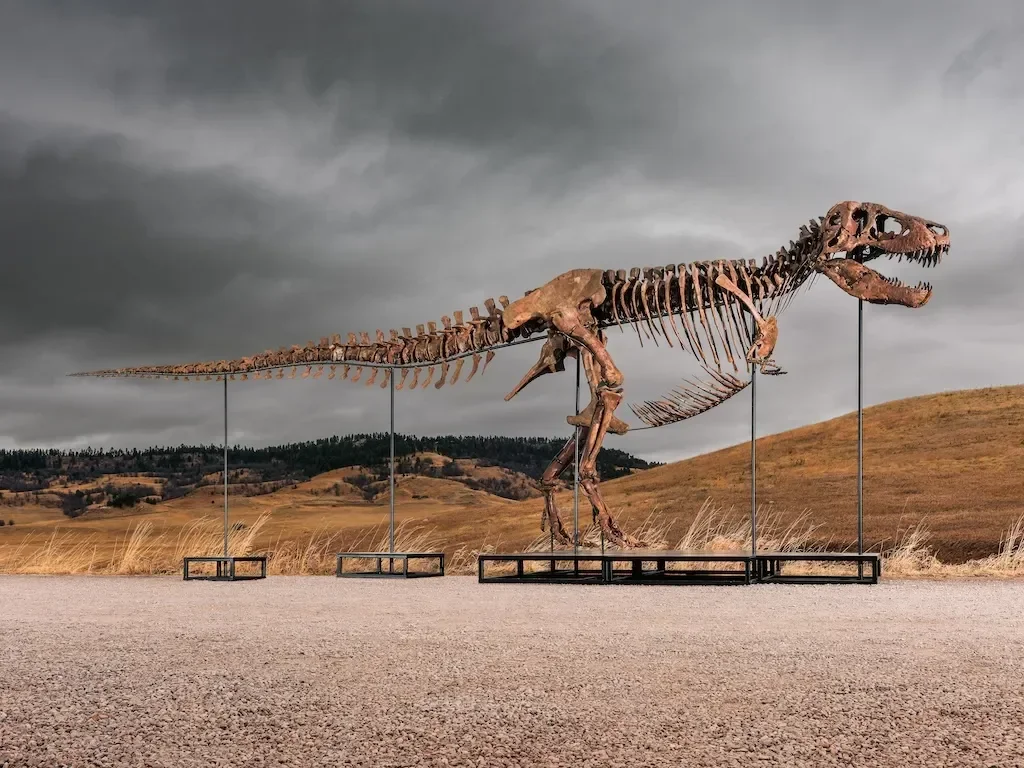
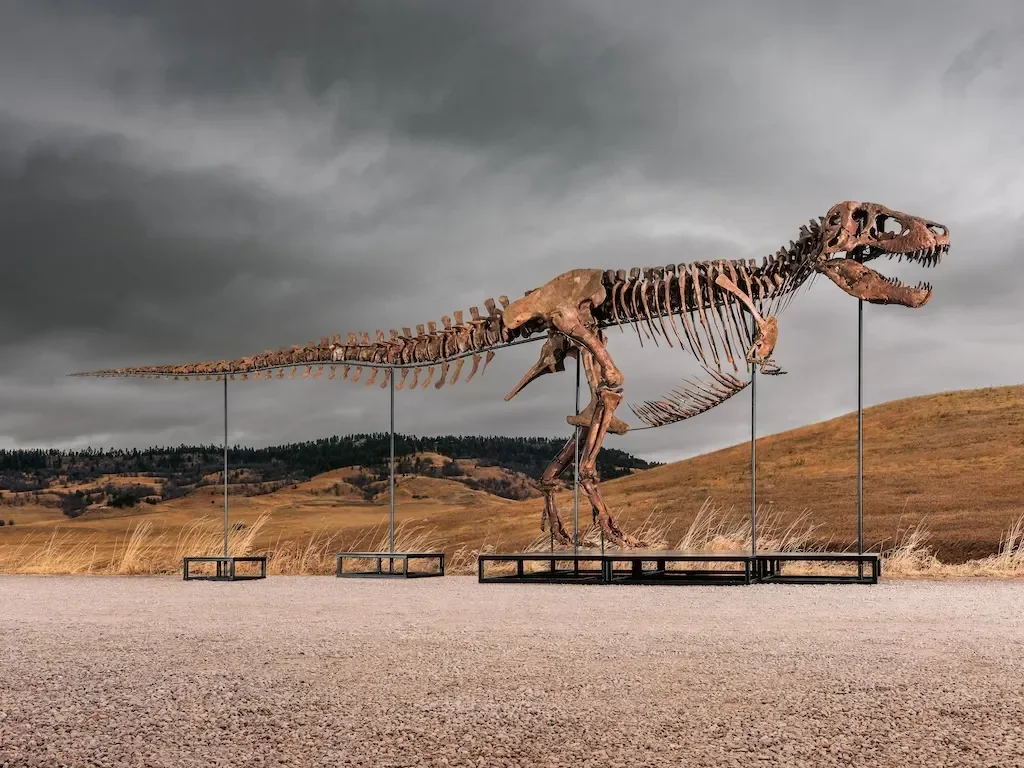
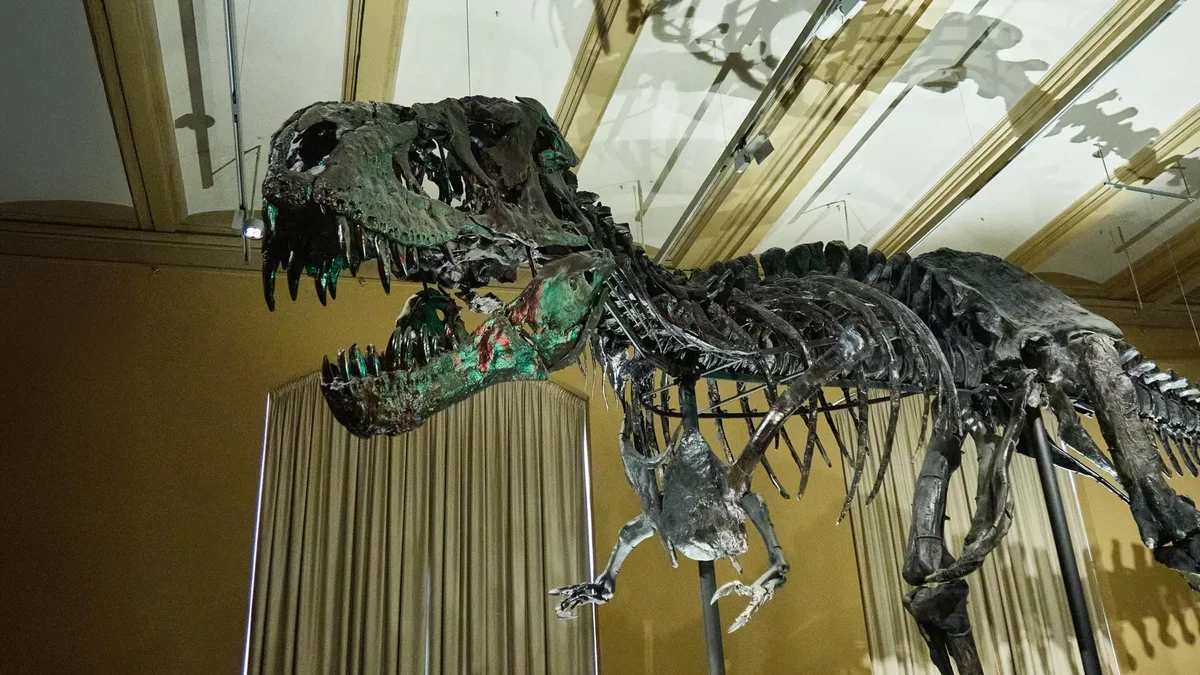
The preserved blood vessels were found in a remarkable specimen named Scotty, housed at the Royal Saskatchewan Museum in Canada. Scotty is recognized as the largest and one of the most complete T. rex fossils ever unearthed.
Evidence indicates that Scotty experienced a challenging life around 66 million years ago, with many bones displaying signs of injury, potentially from battles or illness. Notably, one rib exhibits a significant fracture that only partially healed.
When bones sustain damage, the body increases blood vessel activity to facilitate healing. The structures we identified in Scotty's rib appear to be part of this process, forming a dense network of mineralized vessels that we reconstructed using 3D models.
Innovative Imaging Techniques Uncover Hidden Features
Investigating the interiors of fossil bones poses two primary challenges: accessing the inside without causing damage and dealing with the extreme density of fossilized bones due to mineral replacement over millennia.
Initially, we considered using computed tomography (CT) scans akin to those in medical settings. However, standard CT scanners lack the capability to penetrate the dense structures of large fossils.
Instead, we turned to synchrotron light, a powerful form of high-intensity x-rays produced at specialized particle accelerator facilities. This technique enabled us to visualize minute internal features, such as blood vessels, with exceptional clarity.
Additionally, synchrotron imaging allowed for chemical analysis of the structures. The vessels had been preserved as iron-rich mineralized casts, a common fossilization process, and intriguingly appeared in two distinct layers, indicative of a complex environmental history.
Insights into Dinosaur Life from Blood Vessels
The partially healed fracture in Scotty's rib presents a unique opportunity to explore how a T. rex recovered from injuries. Analyzing the preserved blood vessels can offer valuable insights into healing processes and survival strategies among large predatory dinosaurs.
This research may also provide comparative data with other dinosaur species and modern avian relatives. Furthermore, it could guide future fossil discoveries, as bones exhibiting signs of injury or disease may have a higher likelihood of preserving blood vessels or other soft tissues, helping scientists identify promising specimens.
By merging physics, paleontology, and advanced imaging technologies, researchers are beginning to unlock new dimensions of dinosaur biology that were previously deemed impossible to explore.