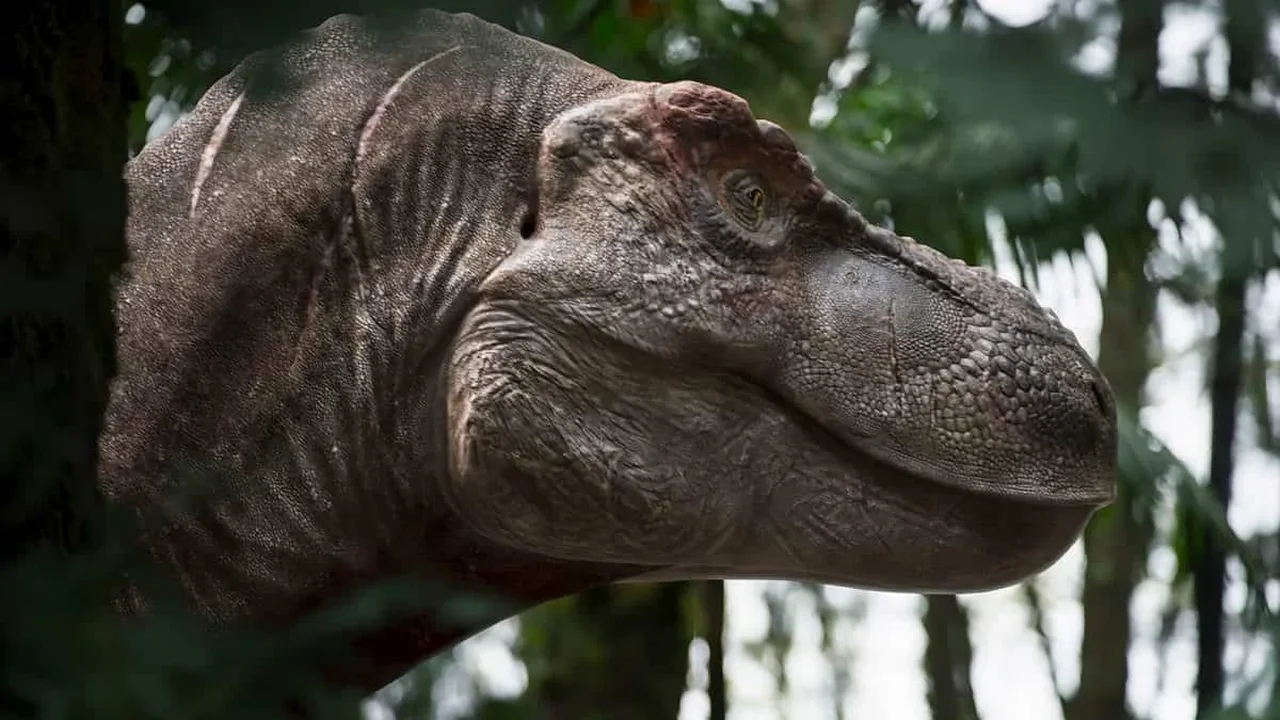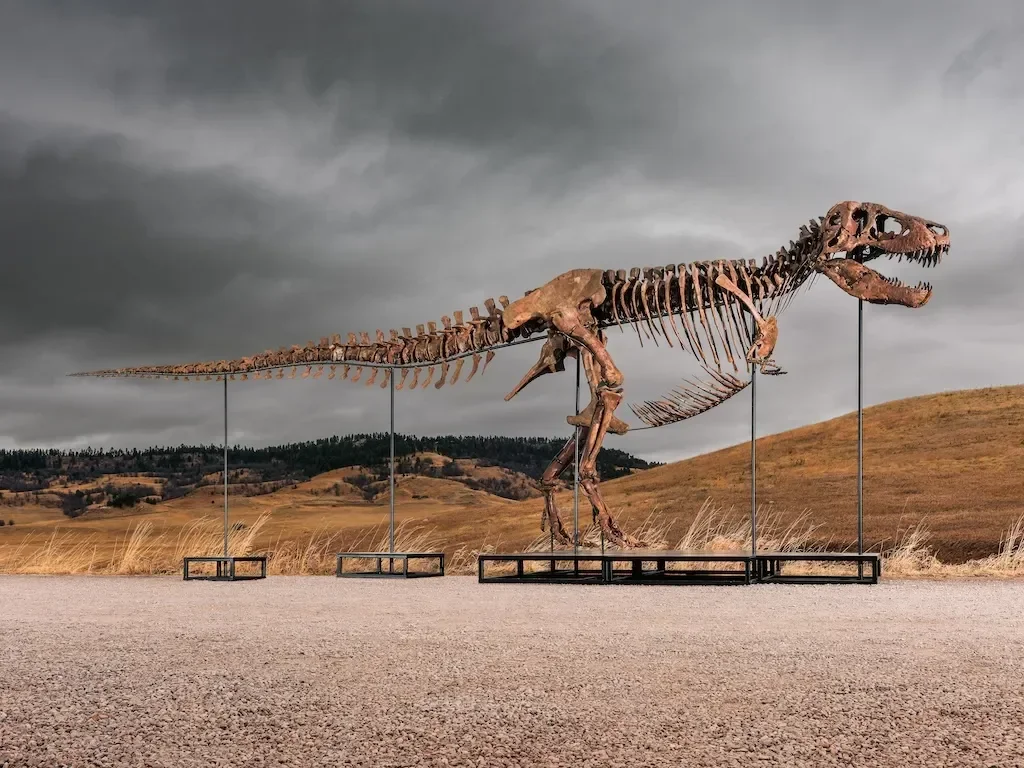
A remarkable fossil housed at the Museum of the Rockies in Bozeman, Montana, has sparked new research indicating it may be evidence of a Tyrannosaurus rex attack. This intriguing find features the skull of an Edmontosaurus, a duck-billed dinosaur that lived during the Late Cretaceous period, with a Tyrannosaurus tooth embedded in it, suggesting a dramatic encounter.
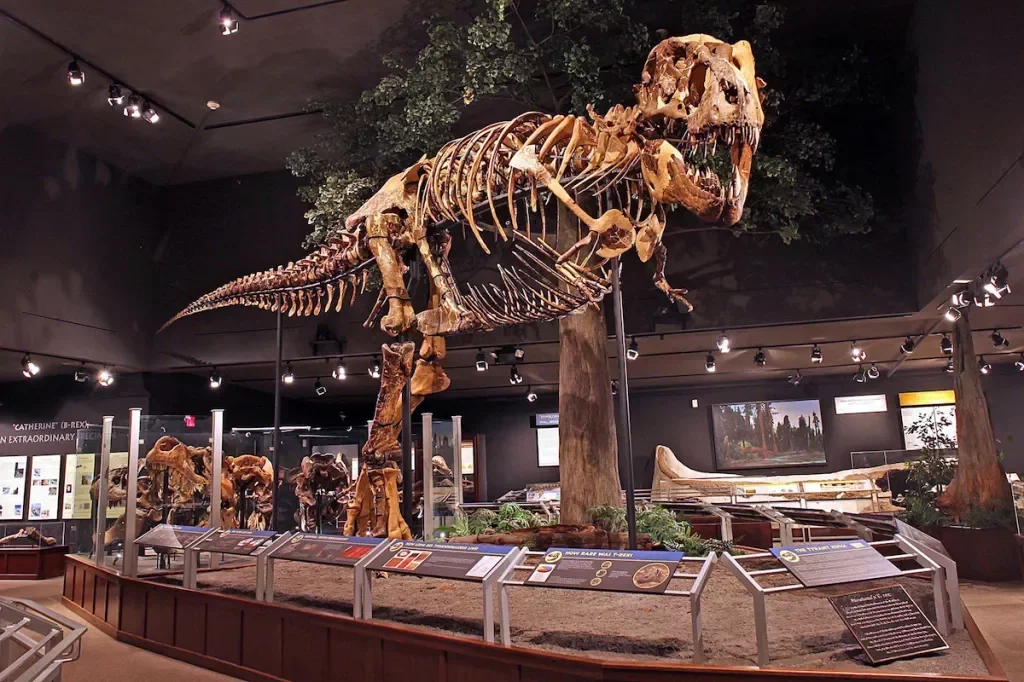
The Edmontosaurus skull, discovered in 2005 in eastern Montana, is currently displayed in the museum's Hall of Horns and Teeth. A recent paper published in the journal PeerJ explores the implications of this unique fossil, which provides a glimpse into the predatory behavior of one of the most famous dinosaurs.
Taia Wyenberg-Henzler, a doctoral student at the University of Alberta and co-author of the study, emphasized the rarity of such discoveries. "While bite marks on bones are not uncommon, finding a tooth embedded in a skull is exceptionally rare. This tooth not only identifies the predator but also the prey, allowing us to reconstruct the events that led to this Edmontosaurus's fate, much like Cretaceous crime scene investigators," she explained.
John Scannella, the museum's curator of paleontology, expressed excitement over the implications of this fossil. "This specimen is particularly thrilling because it captures a moment of predatory behavior--evident from the tyrannosaur's bite mark on the duckbill's face. The lack of healing around the tooth suggests that the Edmontosaurus may have been dead when bitten, or that the bite contributed to its demise," he noted.
Wyenberg-Henzler added a dramatic perspective, stating, "The way the tooth is lodged in the nasal area of the Edmontosaurus indicates a direct confrontation with its attacker, a scenario typical of a predator's fatal encounter. The force required for the tooth to break off in the bone indicates lethal intent, painting a vivid and chilling picture of the Edmontosaurus's final moments."
This fossil not only enriches our understanding of dinosaur interactions but also highlights the intricate behaviors and survival challenges faced by creatures in the prehistoric world.