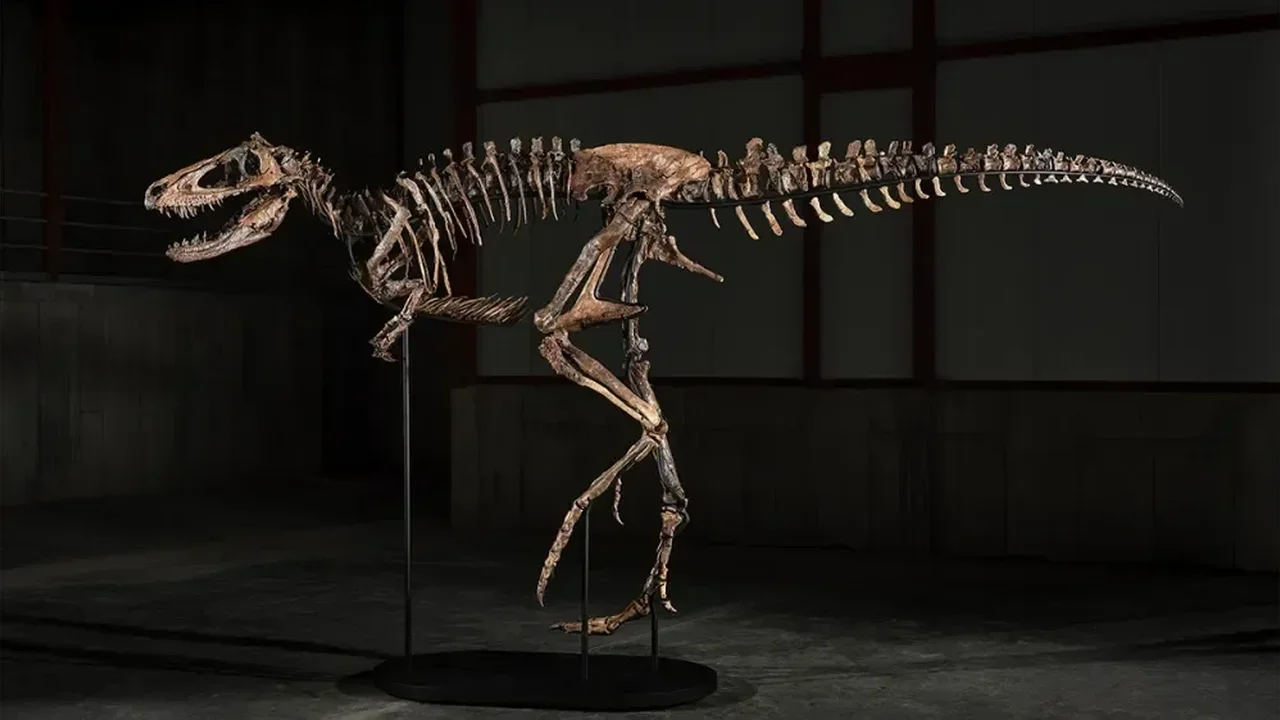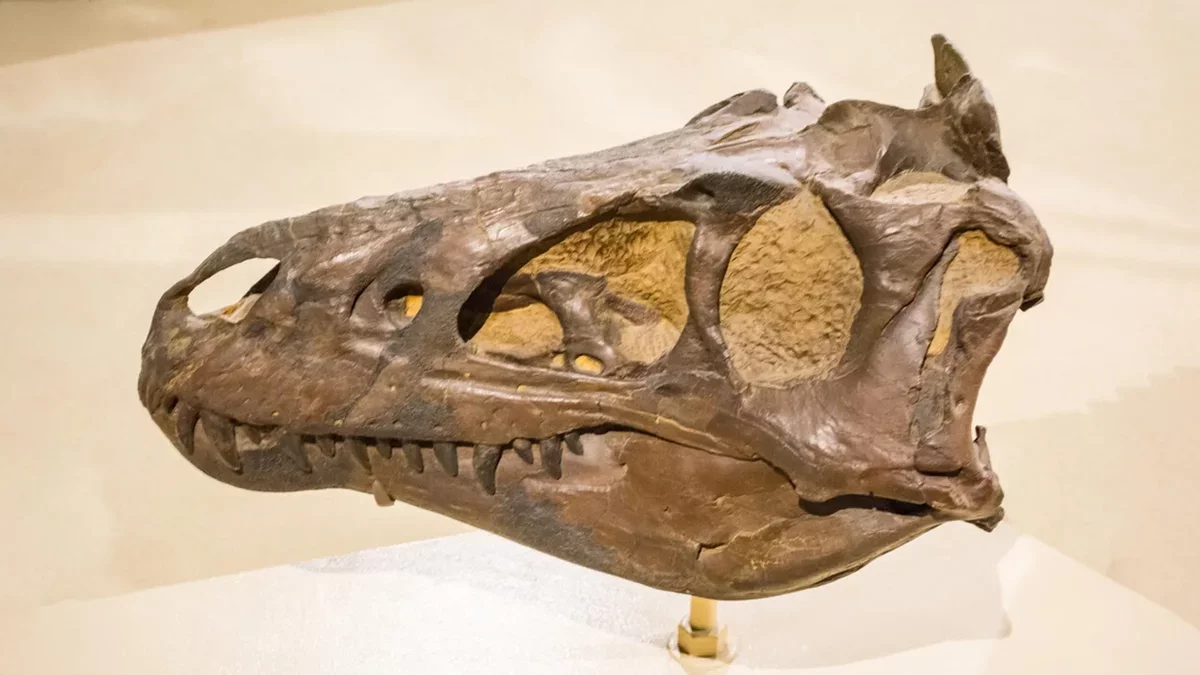
A research team led by Christopher Griffin from Princeton University has made significant strides in understanding the Nanotyrannus fossil, specifically a skull located at the Cleveland Museum of Natural History. By examining a rarely studied bone known as the ceratobranchial or hyoid, preserved with the skull, the researchers were able to determine the age of the specimen at its time of death.
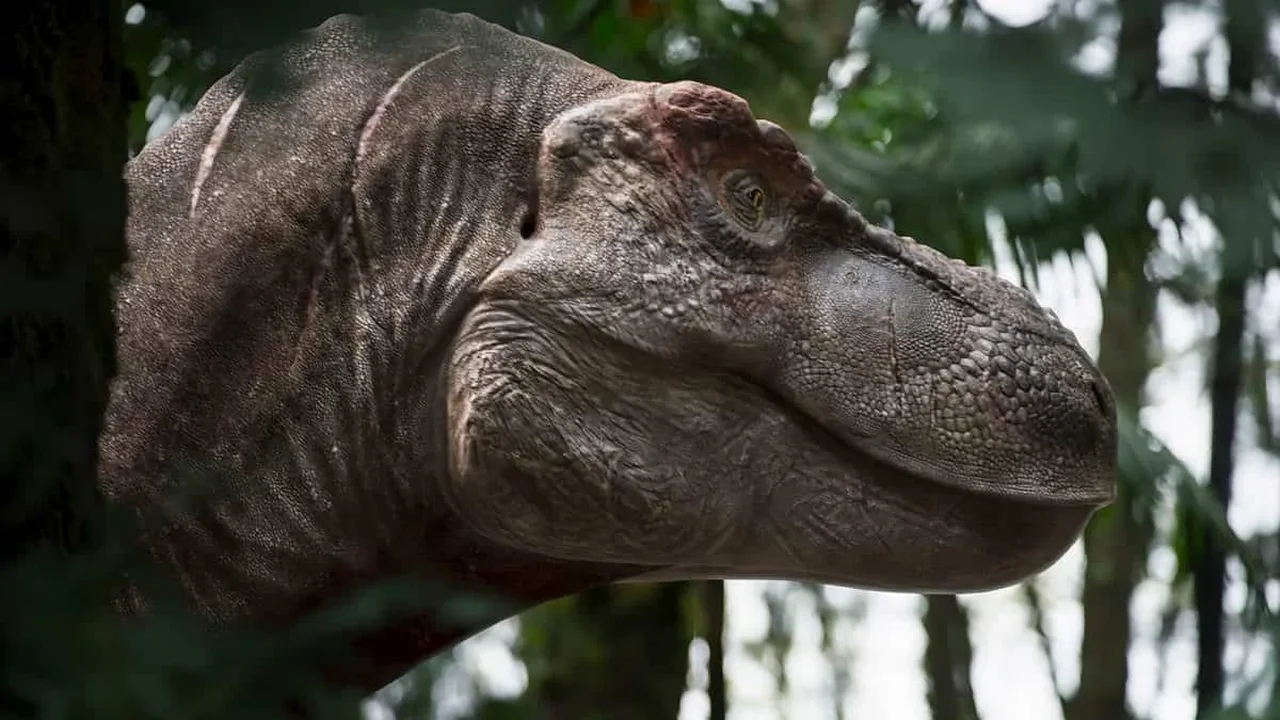
Utilizing bone histology, which involves analyzing the microstructure of fossilized bones, the team uncovered growth patterns indicating that Nanotyrannus had reached or was nearing full maturity. This pivotal discovery confirms that the specimen is not merely a juvenile Tyrannosaurus rex in its growth phase.
The findings have been published in the journal Science. According to Poust, the Voorhies Endowed Curator of Vertebrate Paleontology, "This small-bodied meat-eater's hyoid bone exhibited growth patterns suggesting it was mature or close to maturity. This reinforces our confidence in retaining the name Nanotyrannus, as it is clearly not on a trajectory to become a T. rex."
A Smaller Predator
Estimates indicate that Nanotyrannus measured around 18 feet in length, considerably smaller than the adult T. rex, which could surpass 40 feet. This notable size difference supports the notion that Nanotyrannus is indeed a separate species rather than a younger version of its larger counterpart.
A Complex Fossil History
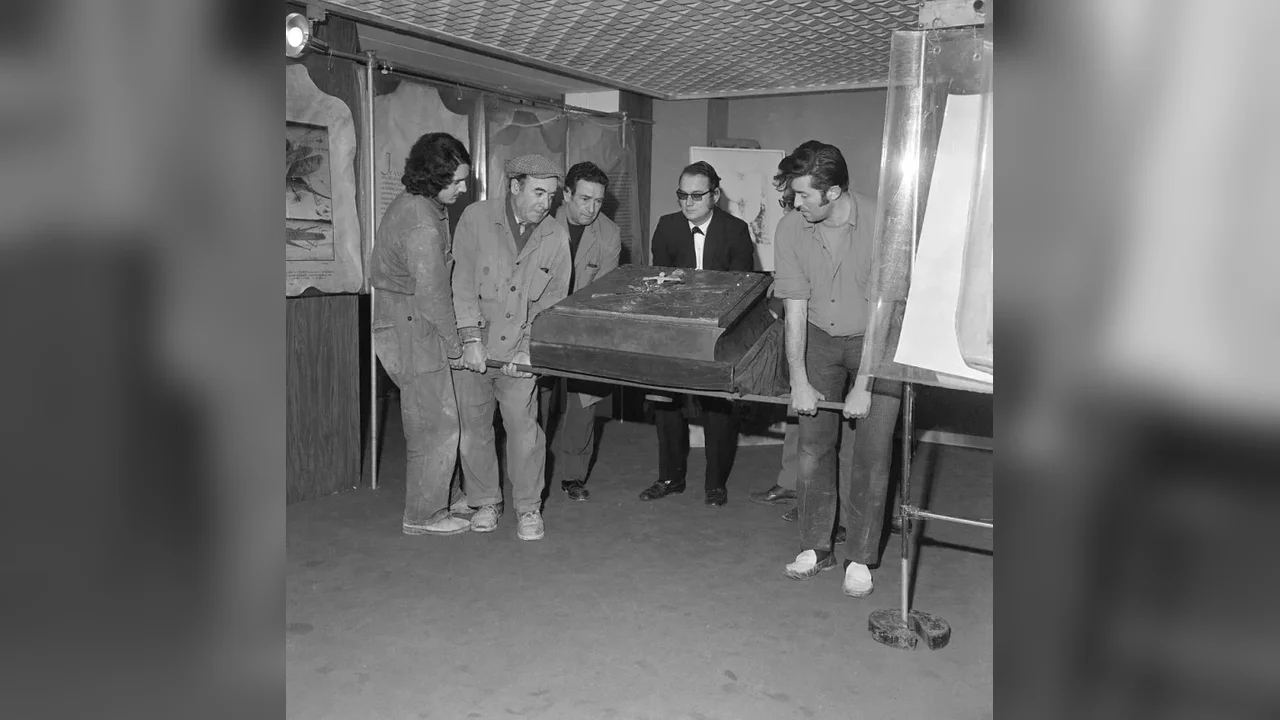
Originally discovered in 1942, the Nanotyrannus skull was first classified as Gorgosaurus. In 1988, it was renamed Nanotyrannus lancensis, but subsequent debates suggested it might actually be a juvenile T. rex. The recent research challenges this long-held belief.
Griffin remarked, "Initially, we assumed the Nanotyrannus holotype skull represented an immature T. rex. However, upon sampling the hyoid and observing features that strongly indicated maturity, we realized we needed to reconsider that assumption."
Innovative Growth Study Methods
To validate their conclusions, Poust compared hyoid bones from various species, including modern relatives like ostriches and alligators, as well as other fossil specimens. This novel approach could revolutionize the study of fragmentary dinosaur remains.
Poust noted, "This expands our ability to learn about ancient animals' lives. It's exciting to demonstrate that growth signals are conserved across different species, potentially opening new avenues for investigation."
Settling Old Debates and Raising New Questions
The question of whether Nanotyrannus is a distinct species appears to be resolved. This study follows closely on another recent paper in Nature that examined a Nanotyrannus fossil discovered in Montana.
Griffin explained, "We focused on the holotype specimen, the one fossil that defines the species. Since this specimen is mature, it definitively indicates that Nanotyrannus is separate from Tyrannosaurus.
Ecological Implications
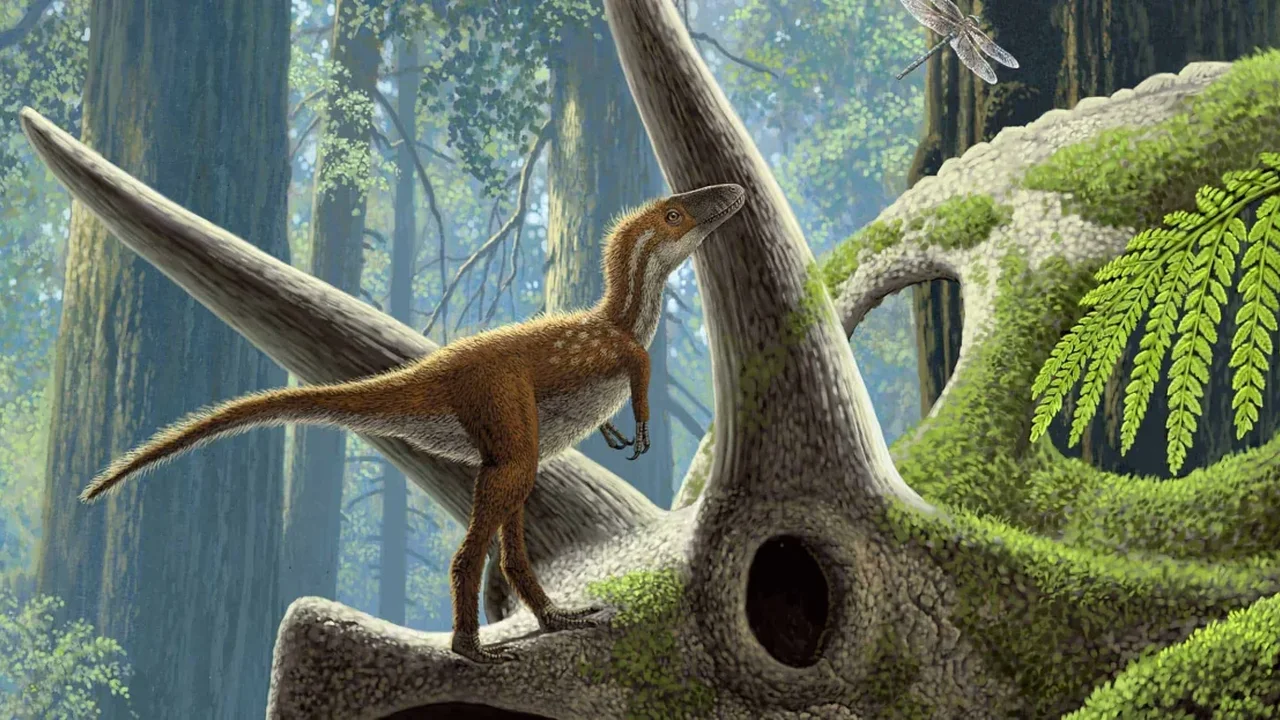
While one debate may conclude, new inquiries arise regarding the structure of prehistoric ecosystems. The coexistence of Nanotyrannus and T. rex suggests the presence of multiple large predators in the same habitat.
Poust emphasized, "This indicates at least two different-sized carnivores sharing an environment, which has significant implications for dinosaur ecology and extinction. Understanding the diversity of species in the fossil record is crucial for grasping the complexities of ancient ecosystems."