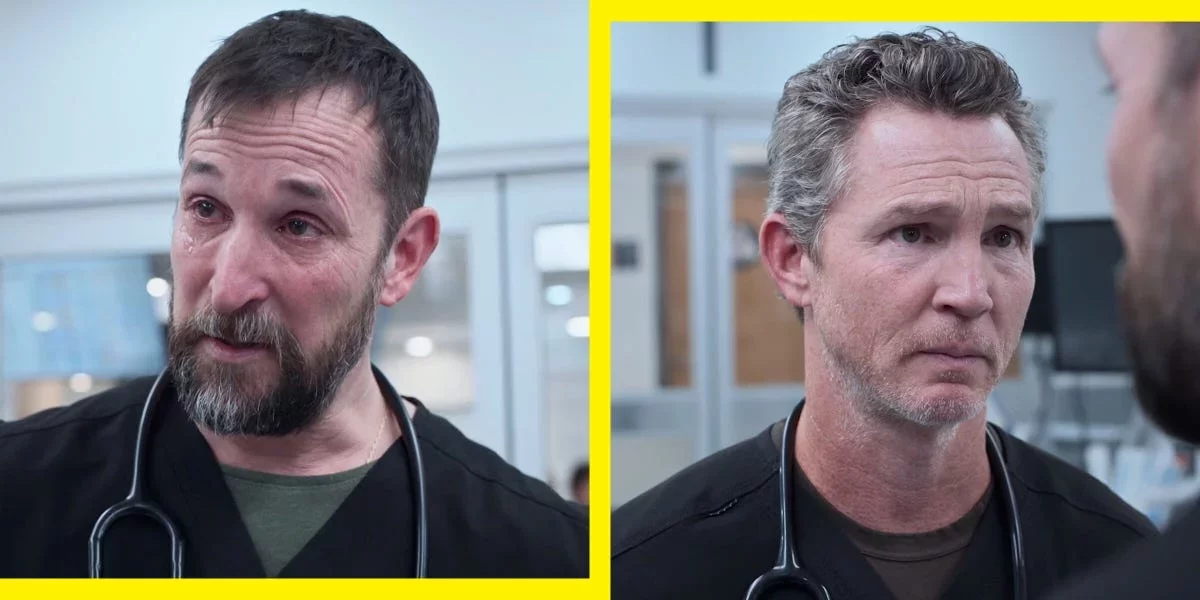
The recent episode of The Pitt has sparked discussions around the mental health challenges faced by medical professionals, particularly through the lens of Dr. Robby and Dr. Abbot's relationship. As Dr. Robby prepares for a three-month sabbatical, viewers witness a poignant exploration of his mental state, marked by moments of distress and brilliance.
Throughout the second season, Dr. Robby's character has gradually revealed the toll of his responsibilities, showcasing a blend of vulnerability and skill. His interactions with colleagues, including Dr. Whitaker and Nurse Dana, highlight the importance of supportive relationships in high-stress environments. Despite his struggles, Dr. Robby's capacity for empathy and care remains evident, reminding us of the complexity of mental health in demanding professions.
Dr. Abbot emerges as a pivotal figure in this narrative, demonstrating the crucial role that peers play in recognizing and addressing psychological distress. Dr. Robert Glatter, an Assistant Professor of Emergency Medicine at Lenox Hill Hospital, emphasizes that the exchange between Dr. Robby and Dr. Abbot exemplifies a shift towards proactive intervention in emergency medicine. This shift is characterized by a culture of accountability and support, where colleagues are encouraged to look out for one another's well-being.
Dr. Glatter notes the significance of collegial surveillance, suggesting that nurses often serve as the first line of defense in identifying behavioral changes in physicians. Their observations can lead to timely interventions, fostering a safer environment for both staff and patients. This collaborative approach is vital in ensuring that healthcare professionals receive the support they need before crises escalate.
The episode also underscores a broader issue within the medical community: the need to view distress as a predictable occupational hazard rather than a personal failing. By framing mental health challenges in this way, clinicians are more likely to seek help and support early on. Dr. Glatter points out that this evolving mindset is essential for fostering a healthier work culture in emergency medicine.
As the second season concludes, the interactions between Dr. Robby and Dr. Abbot serve as a powerful reminder of the importance of visible peer support in the medical field. The narrative encourages a shift away from the historically prevalent notion of enduring struggles in silence, advocating instead for open conversations about mental health.
Ultimately, the portrayal of these characters in The Pitt reflects a growing recognition of the need for mental wellness in high-pressure environments. As the culture continues to evolve, the hope is that more healthcare professionals will feel empowered to seek help, leading to a healthier future for both providers and patients alike.