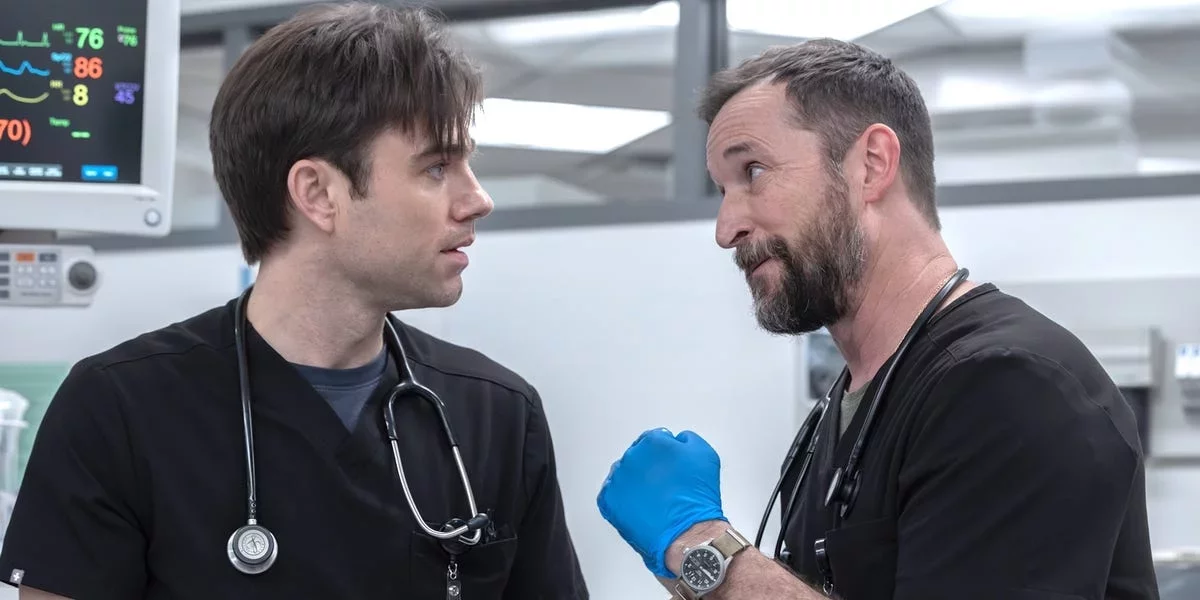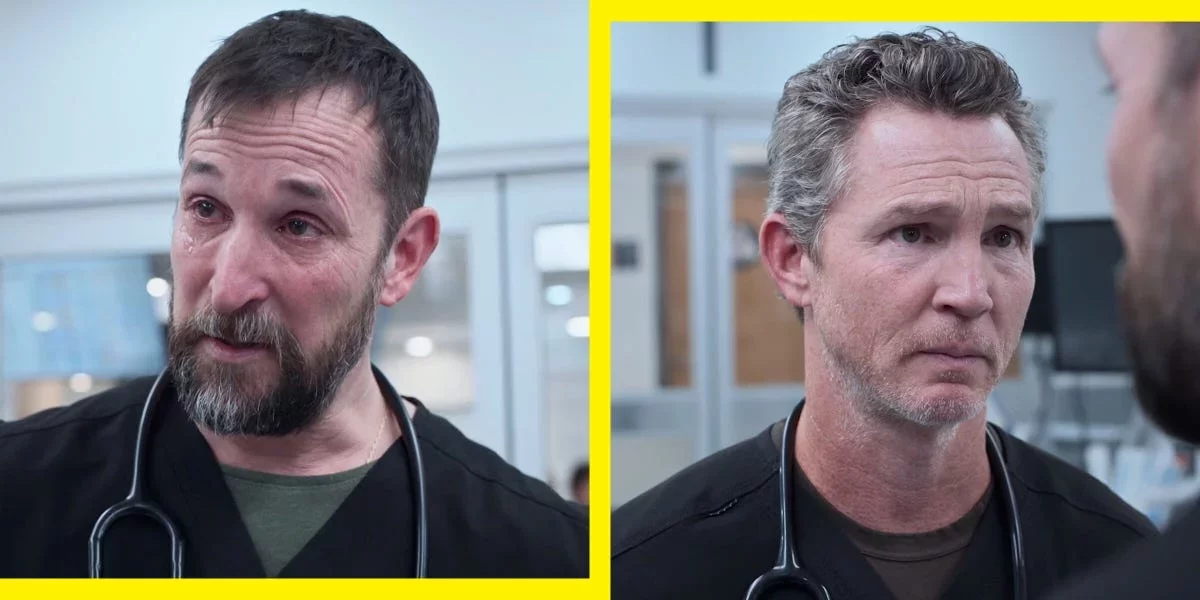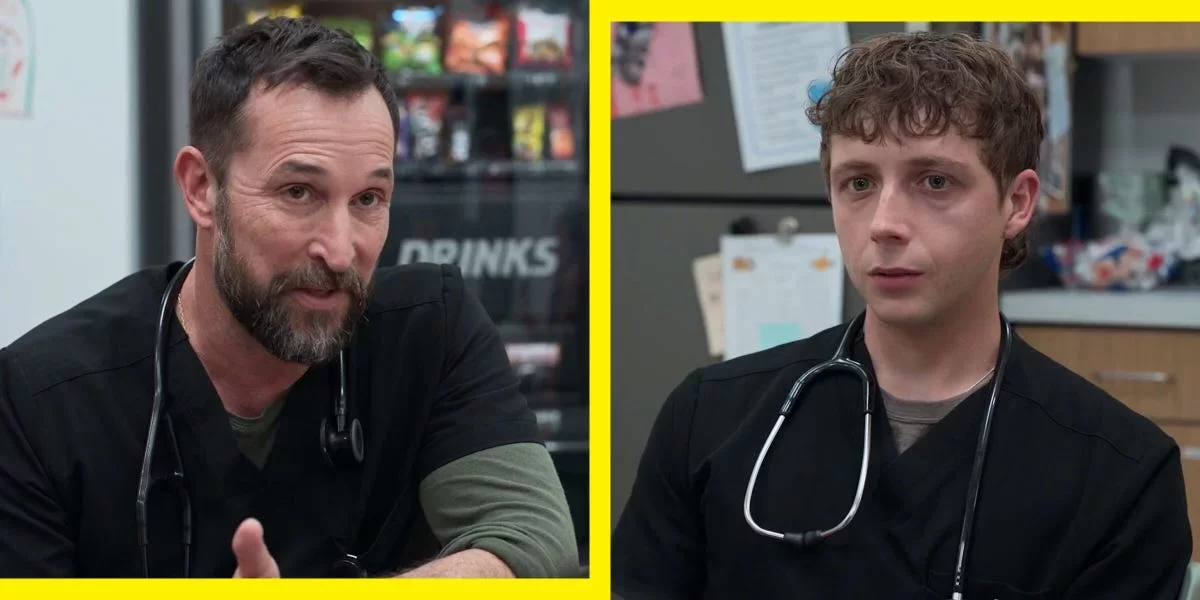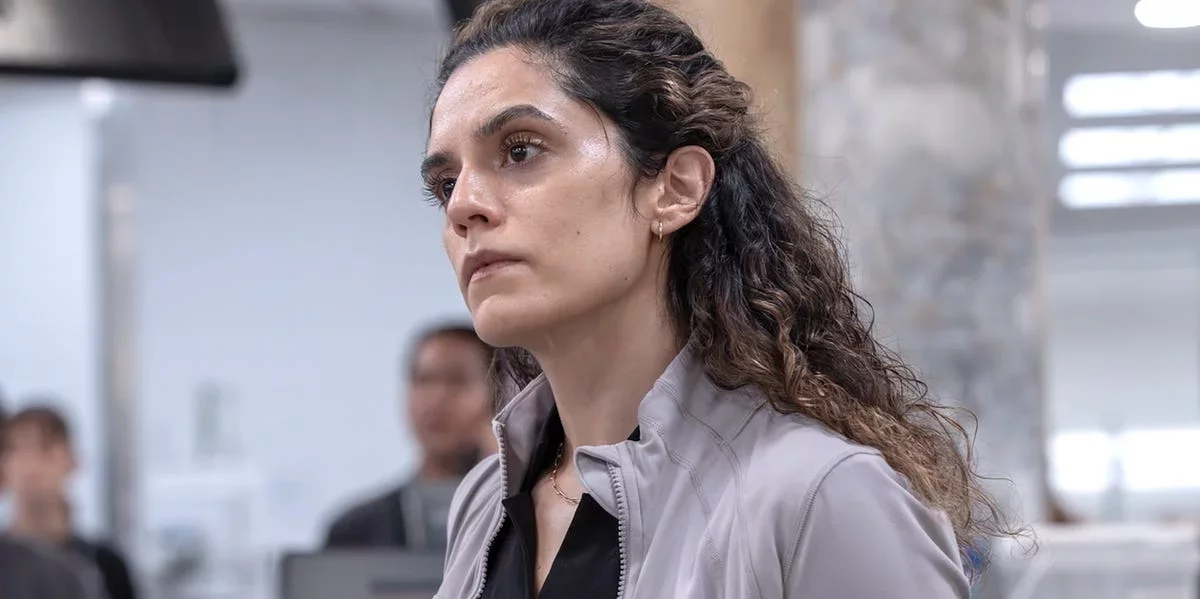
As the second season of The Pitt approaches its thrilling conclusion, viewers are left contemplating the fates of various characters, particularly Dr. Al-Hashimi, portrayed by Sepideh Moafi. Initially introduced as a temporary attending physician during Dr. Robby's three-month sabbatical, Al-Hashimi quickly emerged as a distinctive presence within the emergency department, showcasing a refreshing blend of empathy and modern medical practices.
Throughout the season, Dr. Al-Hashimi has proven to be a compelling character foil to Dr. Robby, who often embodies a traditional, fast-paced approach to patient care. In contrast, Al-Hashimi's willingness to embrace technology and her empathetic demeanor have resonated with both patients and viewers alike, allowing her to make significant contributions that her colleagues, including Dr. Abbot, might not have achieved.
The narrative takes a pivotal turn in episode 14 when Dr. Al-Hashimi reveals to Dr. Robby that she has been managing a seizure disorder for 35 years. This revelation not only adds depth to her character but also raises critical questions about her ability to practice medicine safely. Dr. Robert Glatter, an expert in emergency medicine, notes that the show effectively portrays her "freezing" episodes, which resemble subtle focal impaired awareness seizures. Such moments, often misinterpreted as distraction, highlight the challenges faced by medical professionals in high-pressure environments.
Dr. Glatter emphasizes that while Dr. Al-Hashimi's symptoms present a serious concern, they do not automatically preclude her from practicing medicine. The key lies in assessing whether her condition poses a functional risk in a clinical setting. The show's upcoming finale is expected to delve into these complexities, exploring how Dr. Robby and Dr. Al-Hashimi navigate this personal and professional crossroads.
Importantly, the narrative reflects a broader reality in medicine: many physicians with epilepsy continue to practice safely under appropriate accommodations. The storyline suggests that with proper management, Dr. Al-Hashimi may still contribute effectively to the emergency department, especially as Dr. Robby prepares for his leave.
As the season wraps up, viewers are left eagerly anticipating how the characters will confront these challenges, particularly Dr. Al-Hashimi's journey toward self-acceptance and professional integrity. The series not only entertains but also sheds light on the nuanced realities of medical practice, encouraging discussions about health, resilience, and the future of healthcare.