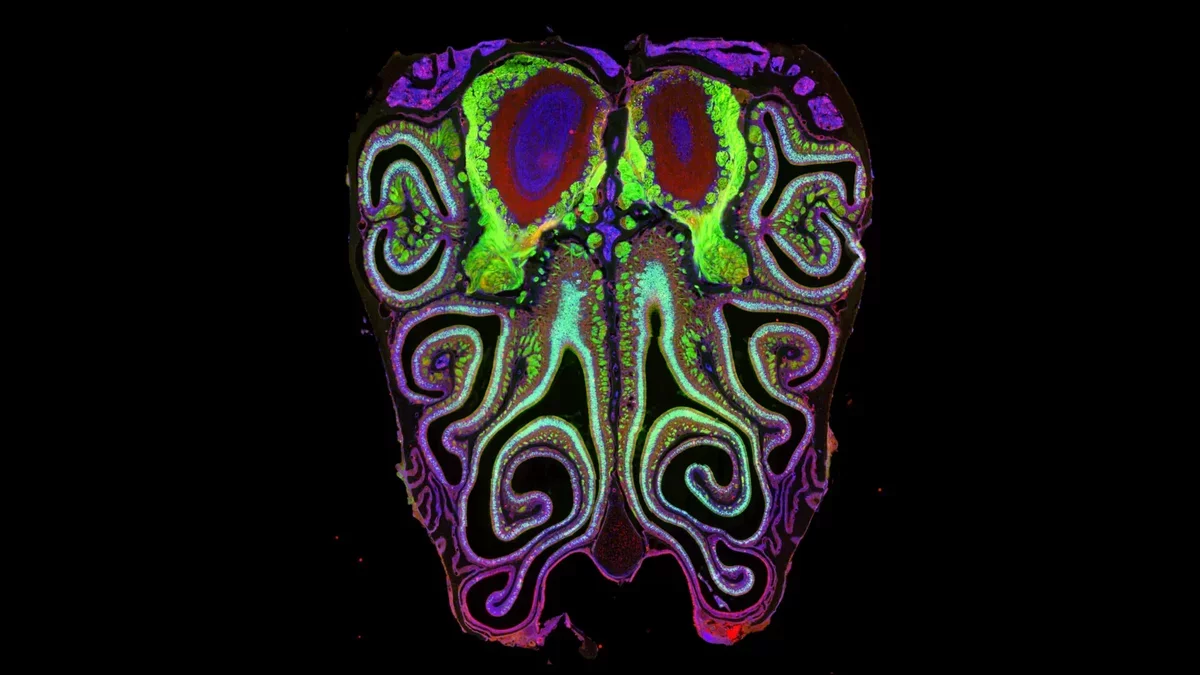
A first-in-human clinical study has explored a new regenerative approach for severe osteoporosis: guiding a patient's own bone-marrow cells back to the skeleton to support bone renewal.
The Phase 1 trial included 10 women aged 51 to 72 who had experienced osteoporosis-related fractures. Researchers collected mesenchymal stromal cells from each participant's bone marrow, expanded them in the laboratory and briefly modified their surface before returning them through a single intravenous infusion.
Cells Designed to Find Bone Tissue
The technique gives cells a temporary molecular "address label." By adding the sugar fucose to a cell-surface molecule called CD44, scientists created a structure that can interact with blood vessels in bone marrow. The aim is to help the infused cells reach bone tissue more efficiently.
Mesenchymal stromal cells can develop into osteoblasts, the cells responsible for building bone. Rather than permanently altering DNA, the approach changes the cells' outer coating for around 48 hours--potentially enough time to improve their delivery to the intended tissue.
Encouraging Signals, More Research Needed
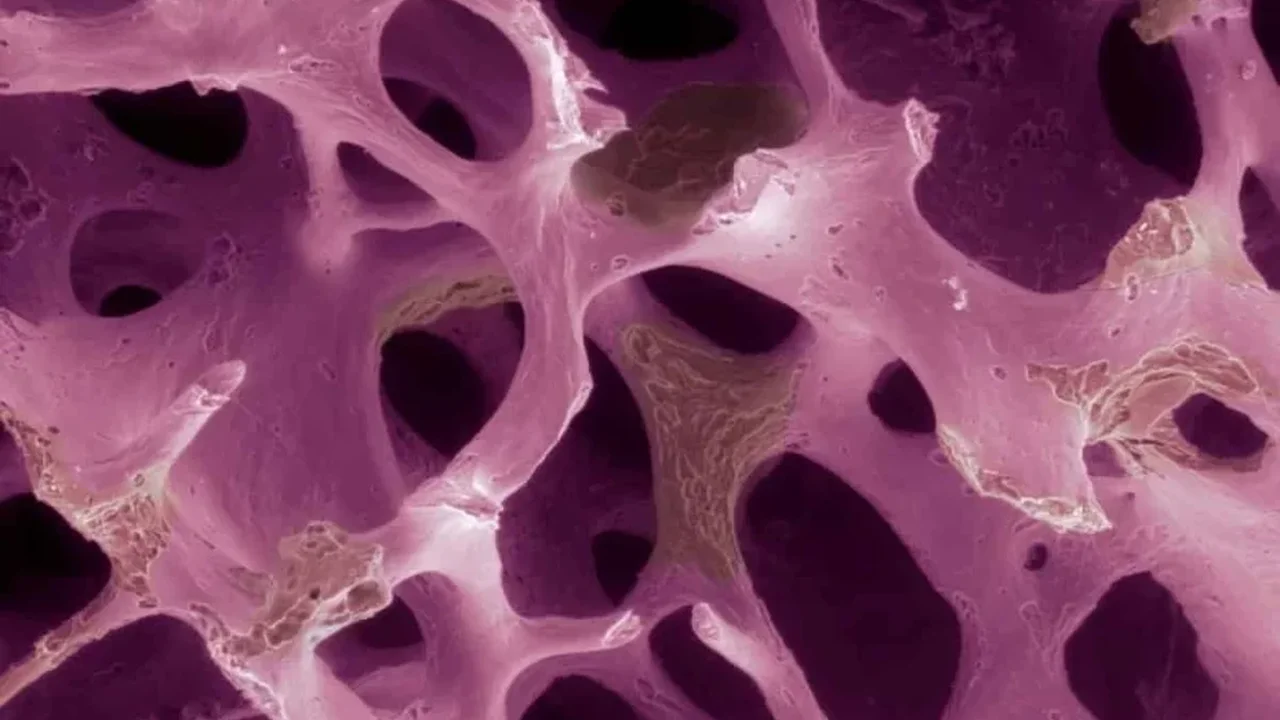
During the first two years after treatment, the group's annual fragility-fracture rate declined from eight to 0.5, an observed reduction of 94%. Bone biopsies also indicated increased bone tissue after four months, while advanced scans suggested improvement in the quality of spongy inner bone over two years.
Participants were followed for a median of roughly six years, with no serious adverse events attributed to the infusion reported. Standard bone-density scans did not show a significant group-wide change.
Because the study was small, lacked a randomized comparison group and included participants using standard osteoporosis therapies, the findings cannot yet establish effectiveness. Larger controlled trials will be needed to clarify the therapy's contribution and confirm its long-term value.
Published in Cell, the study offers an early view of how precisely directed "living medicines" could broaden regenerative care. If validated at scale, cell-navigation technologies may help shape more targeted treatments for bone health and other tissues.