Researchers have shown that tobacco and lettuce can be engineered to produce myoglobin, the muscle protein that helps give meat its familiar color and savory taste. The study demonstrates a plant-based route to making a key ingredient for next-generation meat alternatives.
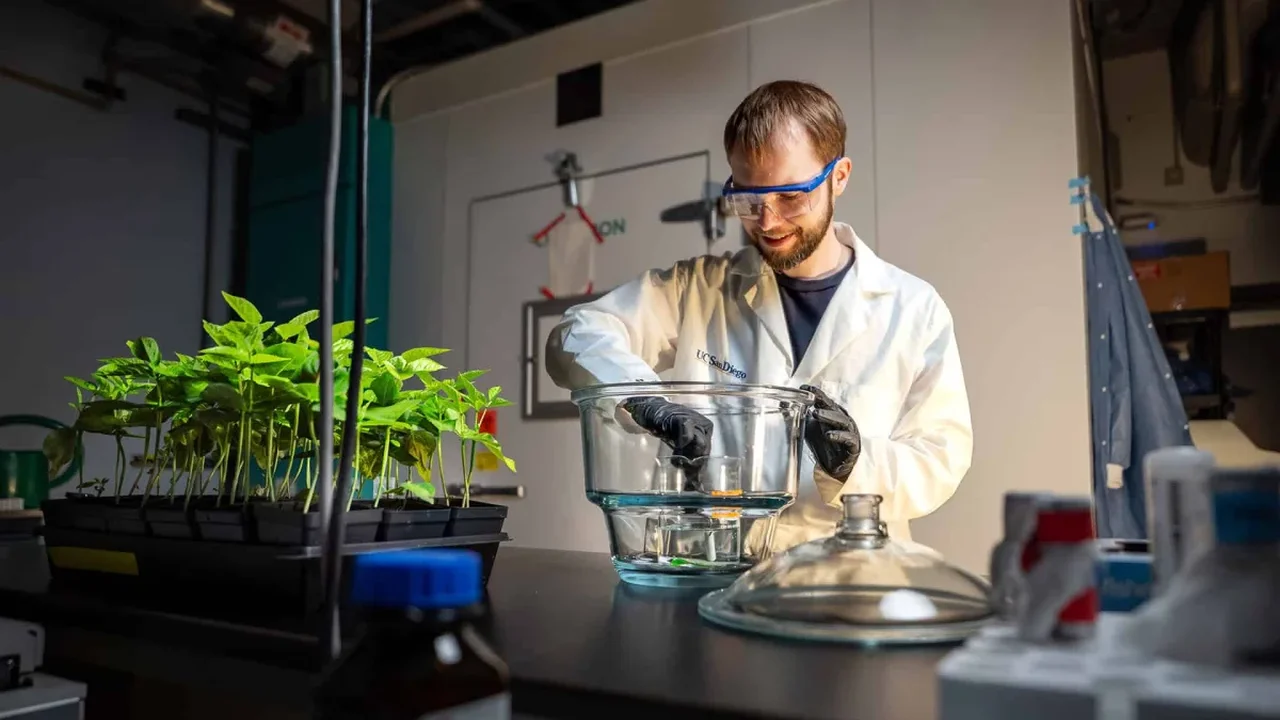
In the experiment, scientists inserted pig and cattle myoglobin genes into the chloroplasts of tobacco and lettuce. Chloroplasts, which power photosynthesis, can carry many gene copies per cell, making them especially efficient for protein production. The team also tested nuclear DNA and a unicellular alga, but the chloroplast approach delivered the strongest results.
Using laboratory analysis, the researchers found yields of about 800 milligrams per kilogram of dry tobacco and 810 milligrams per kilogram of dry lettuce. That level was more than three times higher than tobacco plants engineered through the nuclear genome. Because myoglobin is rich in iron, it can help create the red tone and umami profile associated with meat.
The work, published in Frontiers in Plant Science, suggests a future in which edible crops could serve as sustainable protein factories. According to the researchers, myoglobin extracted from leaves could be purified and added to plant-based foods to improve flavor, color, and nutritional value. Lettuce could also potentially be developed as a biofortified food source if regulatory approval follows.
As plant-based eating continues to expand, this approach points to a more resource-efficient way to produce meat-like ingredients with lower water demand and reduced emissions. It may help shape a food system where crops do more than feed us--they could also manufacture the proteins of tomorrow.