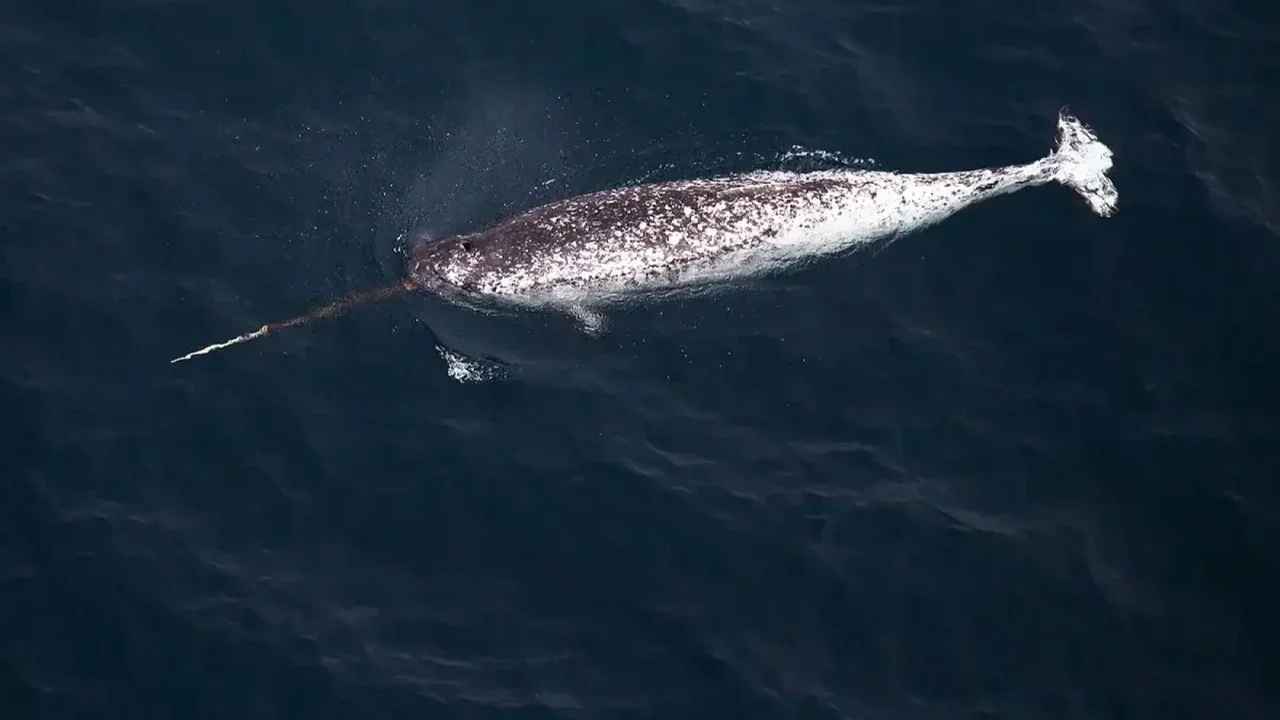
In East Greenland, six narwhals have helped scientists uncover a surprising feature beneath the ice: warm, salty Atlantic water reaching deep into fjords and moving toward glacier fronts far inland.
Whales as ocean observers
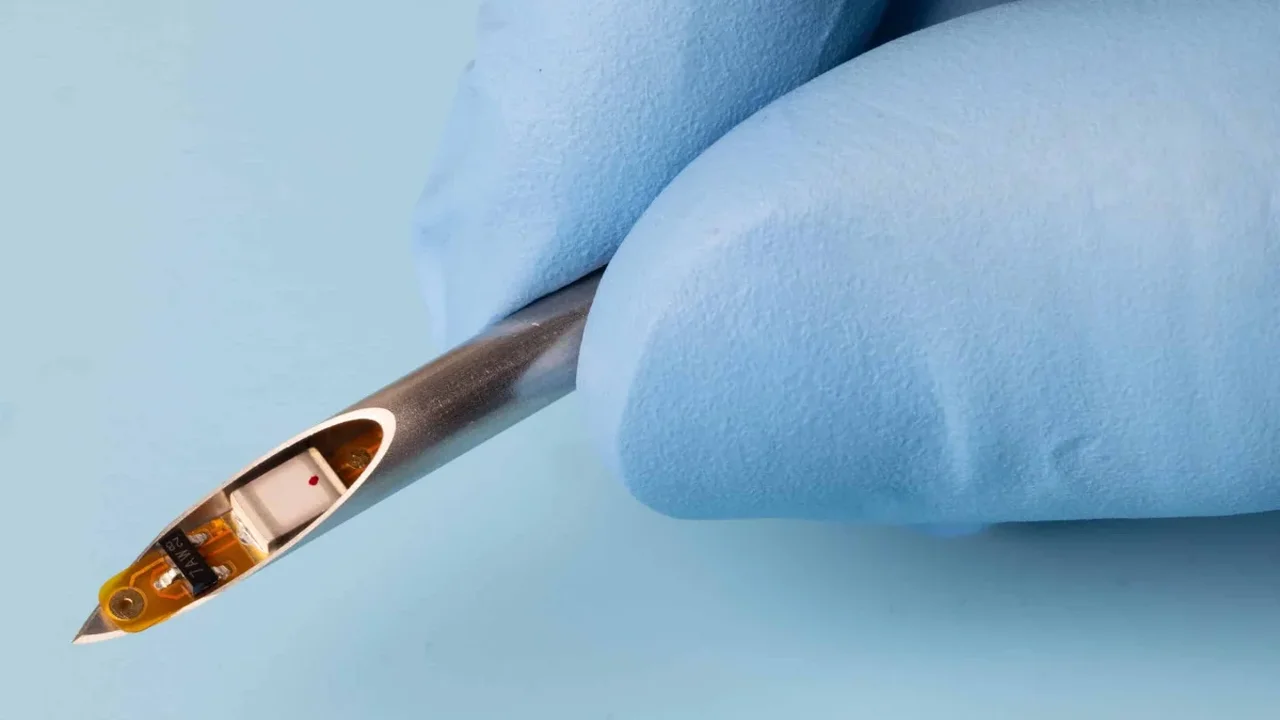
Researchers fitted the narwhals with sensors that recorded temperature, salinity, and depth as the animals swam through Scoresby Sound, a vast fjord system on Greenland's east coast. Over time, the tags produced more than 2,000 ocean profiles, including dives below 1,500 meters.
Because ships rarely access these ice-covered waters, the whales offered a rare window into a region that is difficult to survey directly. According to the study team at the Greenland Institute of Natural Resources, the animals reached areas hundreds of kilometers from the coast where traces of Atlantic water were detected for the first time in such detail.
A layered Arctic system
The data show a clear structure: colder, fresher Polar Water sits near the surface, while warmer Atlantic Intermediate Water lies below it. Scientists describe the expanding presence of this deeper layer as Atlantification, a process that signals stronger Atlantic influence in Arctic waters.
By combining the narwhal measurements with more than 2,200 historical profiles from the World Ocean Database, researchers built a long-term picture of the region. Their model suggests that the Atlantic layer has thickened over time, while the upper Polar Water layer has become thinner. The study, published in Science, also points to a warming trend in waters above 500 meters between 1960 and 2021.
Beyond its scientific value, the work highlights a creative approach to ocean research: using marine life as a natural data network in places where conventional tools struggle to reach. It may open new paths for studying remote polar environments and the changing balance between cold and warm ocean currents in the years ahead.