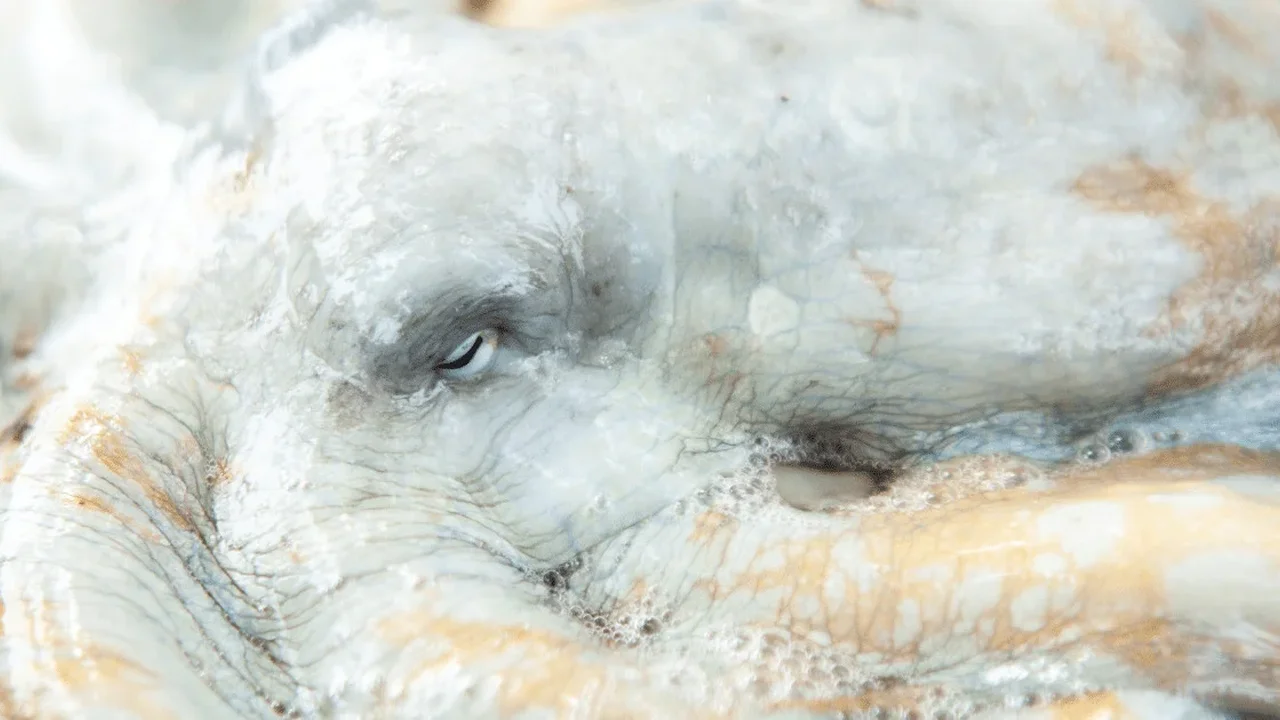
The plan to launch the world's first commercial octopus farm has been shelved. On July 22, the Port Authority of Las Palmas said Spanish seafood company Nueva Pescanova withdrew its application for a facility in the Canary Islands.
The decision followed a broad campaign that brought together more than 100 scientists, conservation and animal welfare groups, and thousands of citizens worldwide, including a 9-year-old girl in Portugal.
Researchers had argued that octopuses are highly intelligent, sentient animals that do not belong in crowded farming systems. In 2024, scientists published a letter in Science warning that farming a carnivorous species like octopus would raise major ethical and ecological questions. Earlier work from Compassion in World Farming also highlighted concerns about animal welfare, feed demand, and environmental pressure.
The proposed project had been expected to produce about 3,000 tons of octopus meat a year, with campaigners saying it could have involved around one million octopuses annually. Nueva Pescanova said the withdrawal was linked to new administrative requirements tied to environmental review, which changed the project's timeline and scope.
Public momentum played a major role. The documentary My Octopus Teacher helped bring octopus intelligence into the mainstream, while a young Portuguese swimmer, Lily Niederhofer, organized a charity swim to support the campaign. More than 43,000 emails were also sent to the port authority urging rejection of the proposal.
For scientists and advocates, the outcome shows how early action can shape the future of aquaculture before large-scale infrastructure takes hold. It also reinforces a growing global interest in more sustainable and ethically informed food systems, with long-term implications for how marine resources are developed.